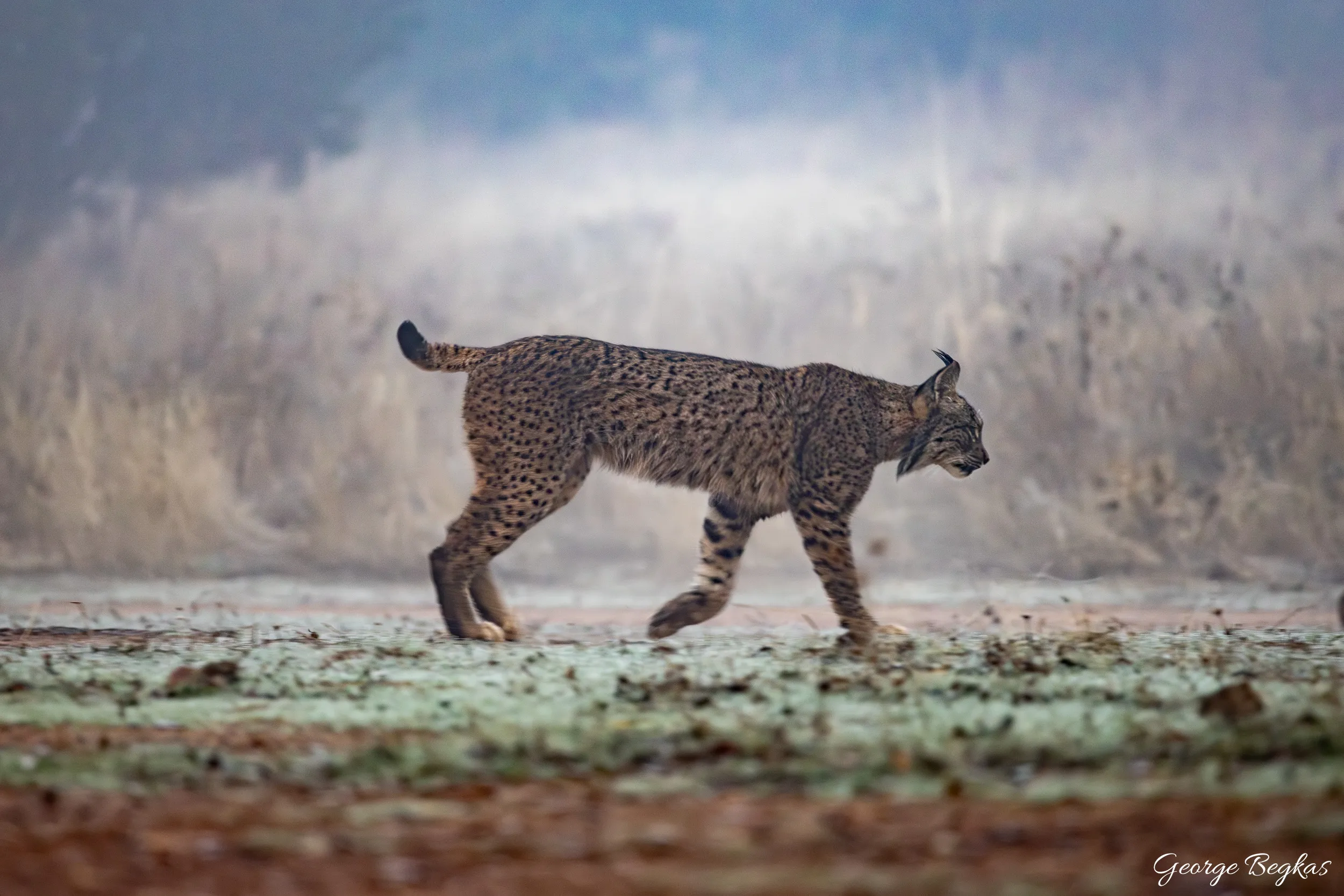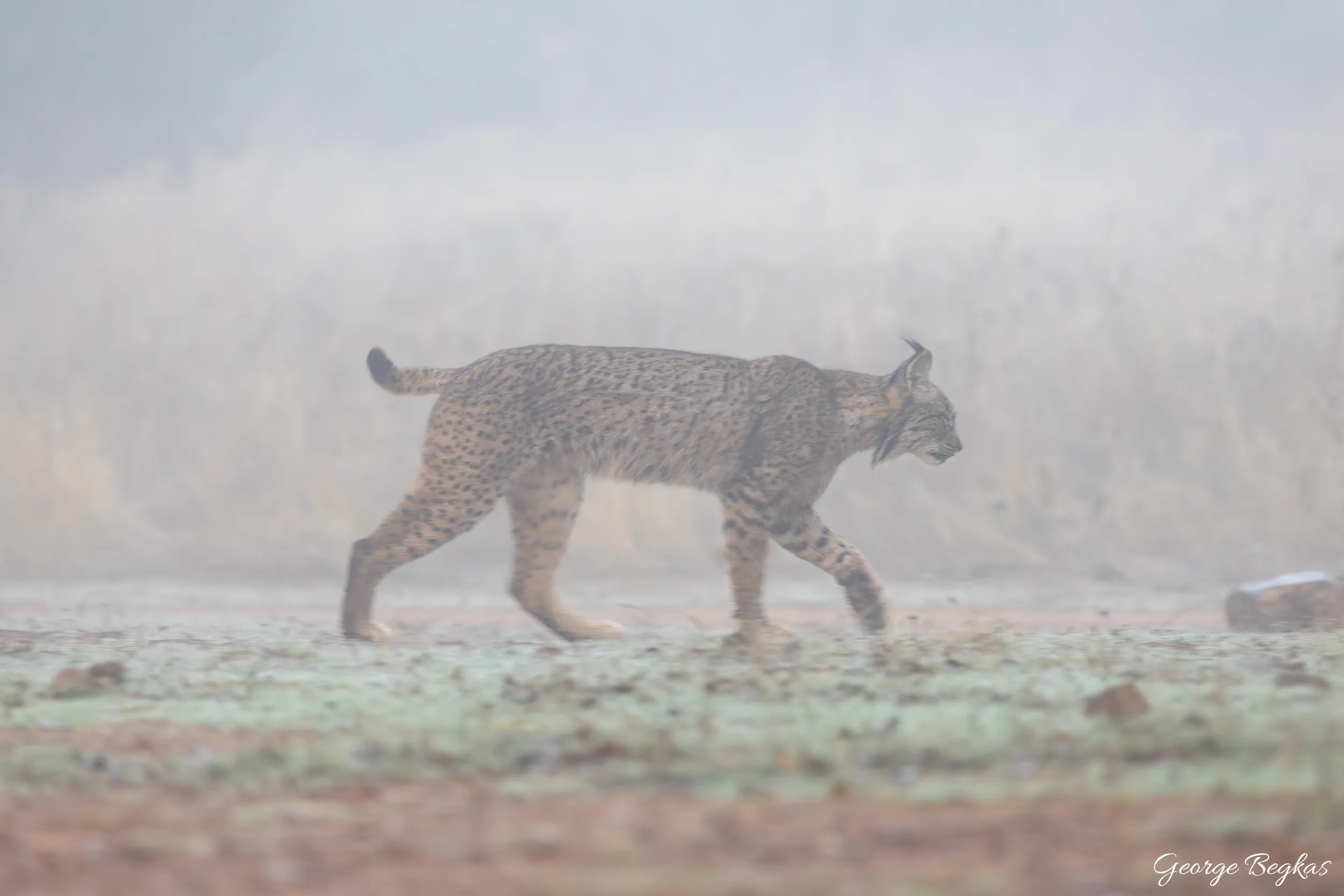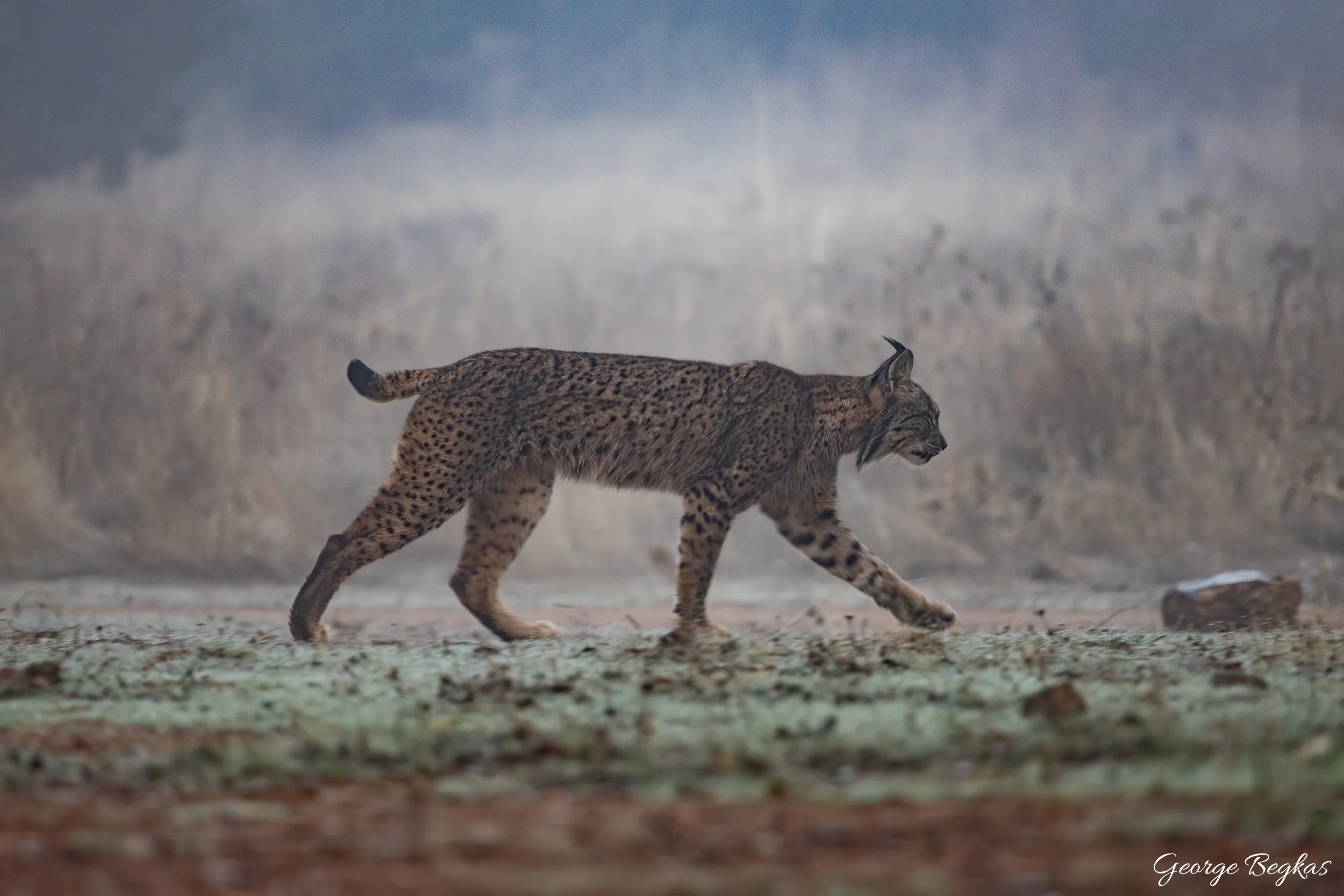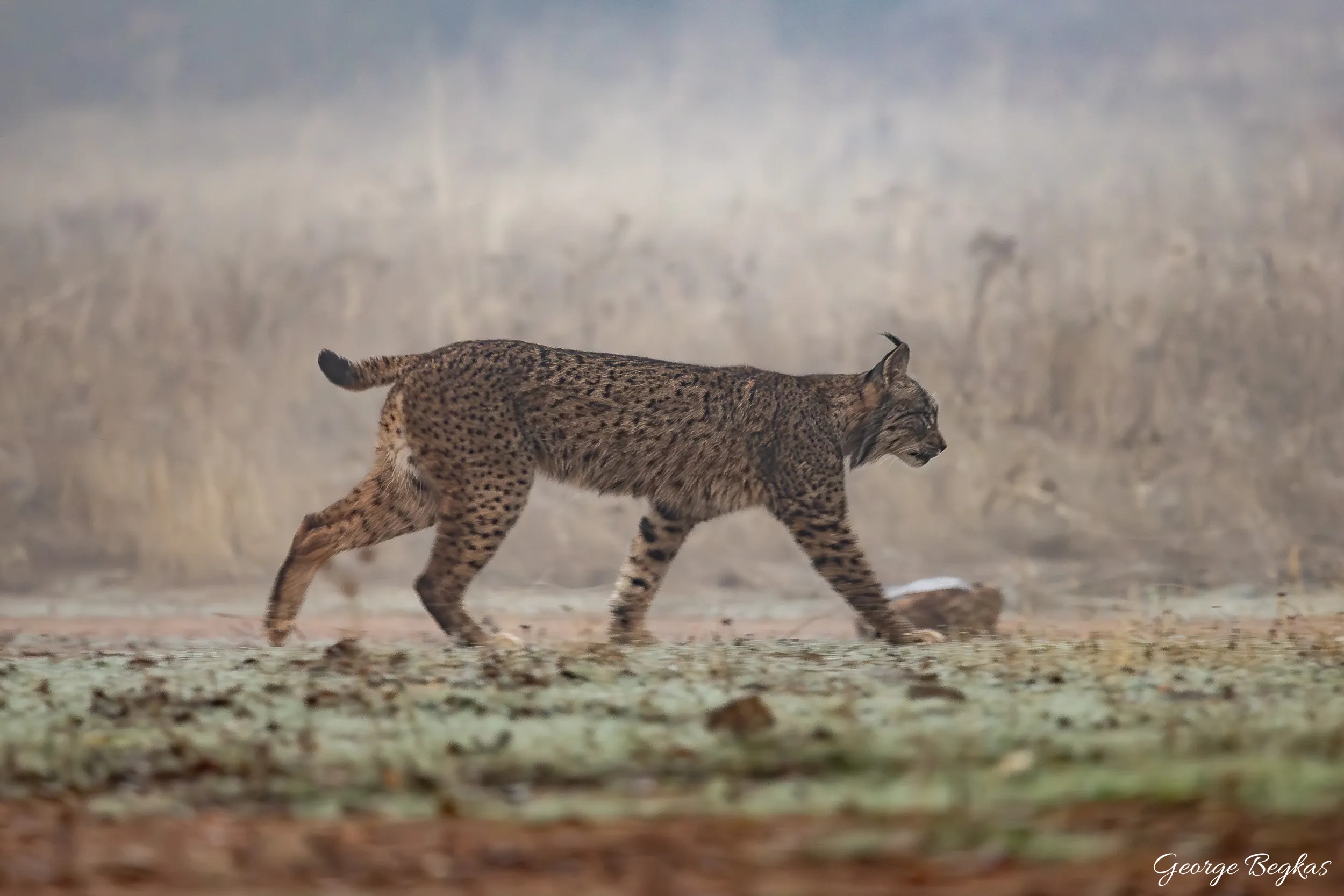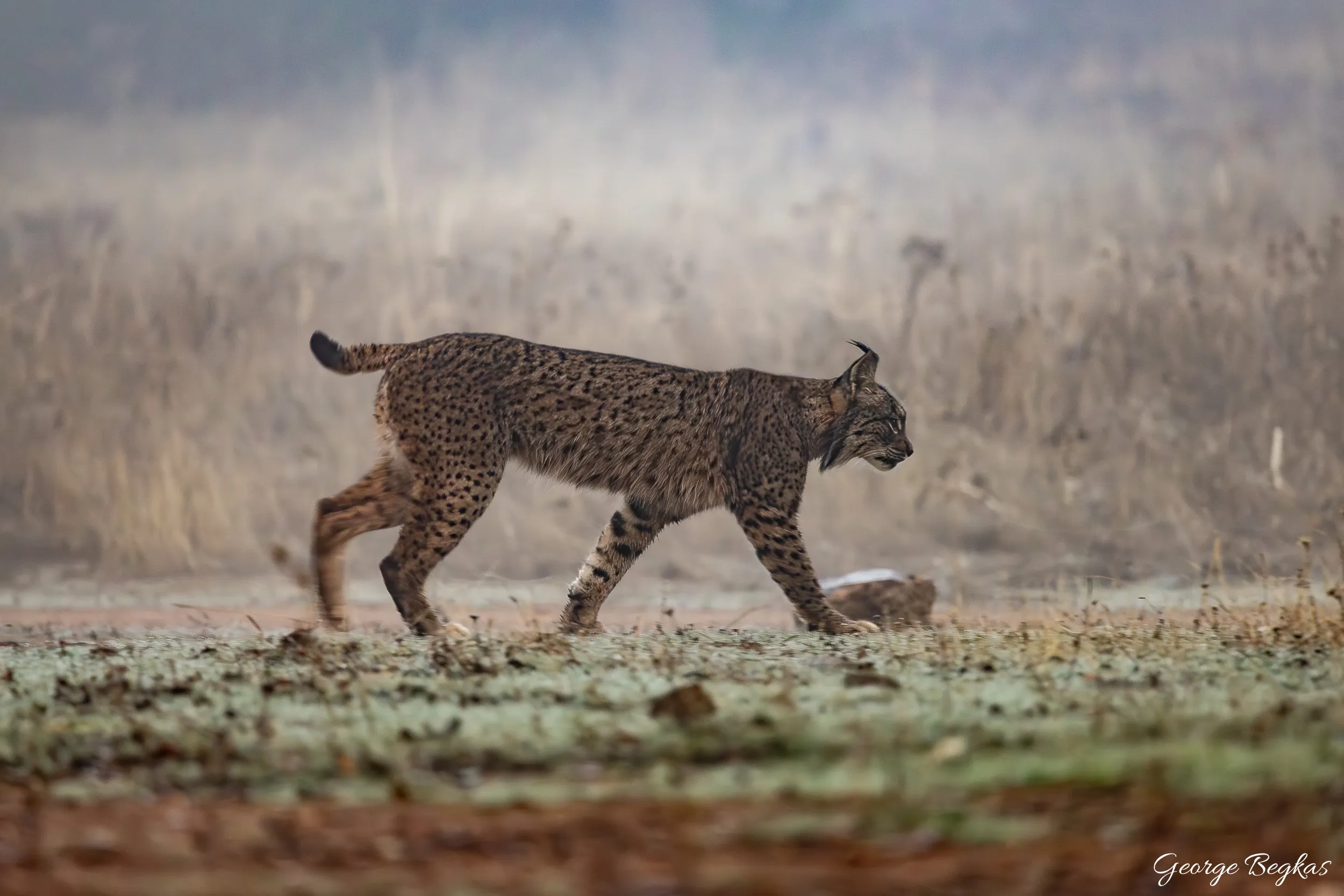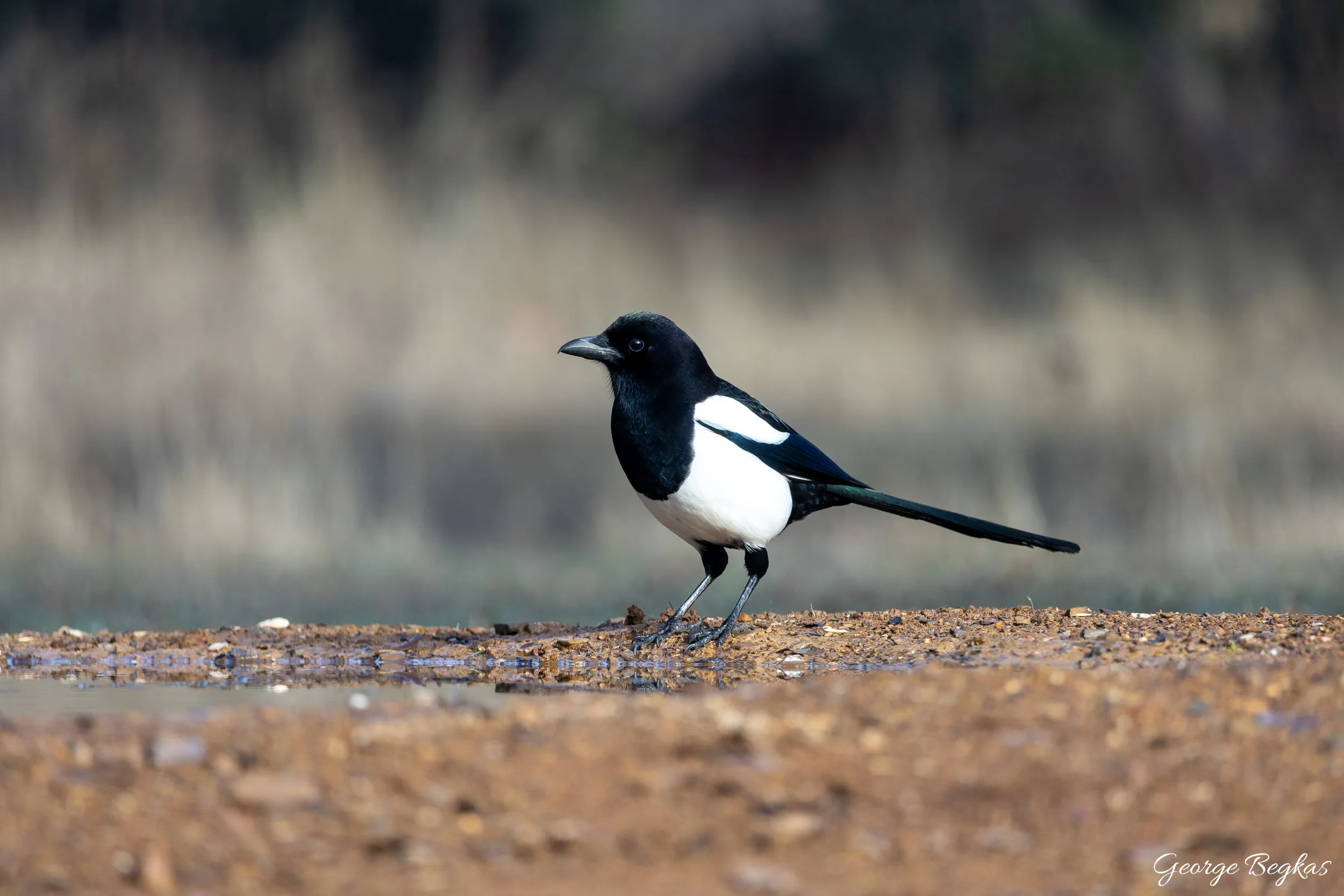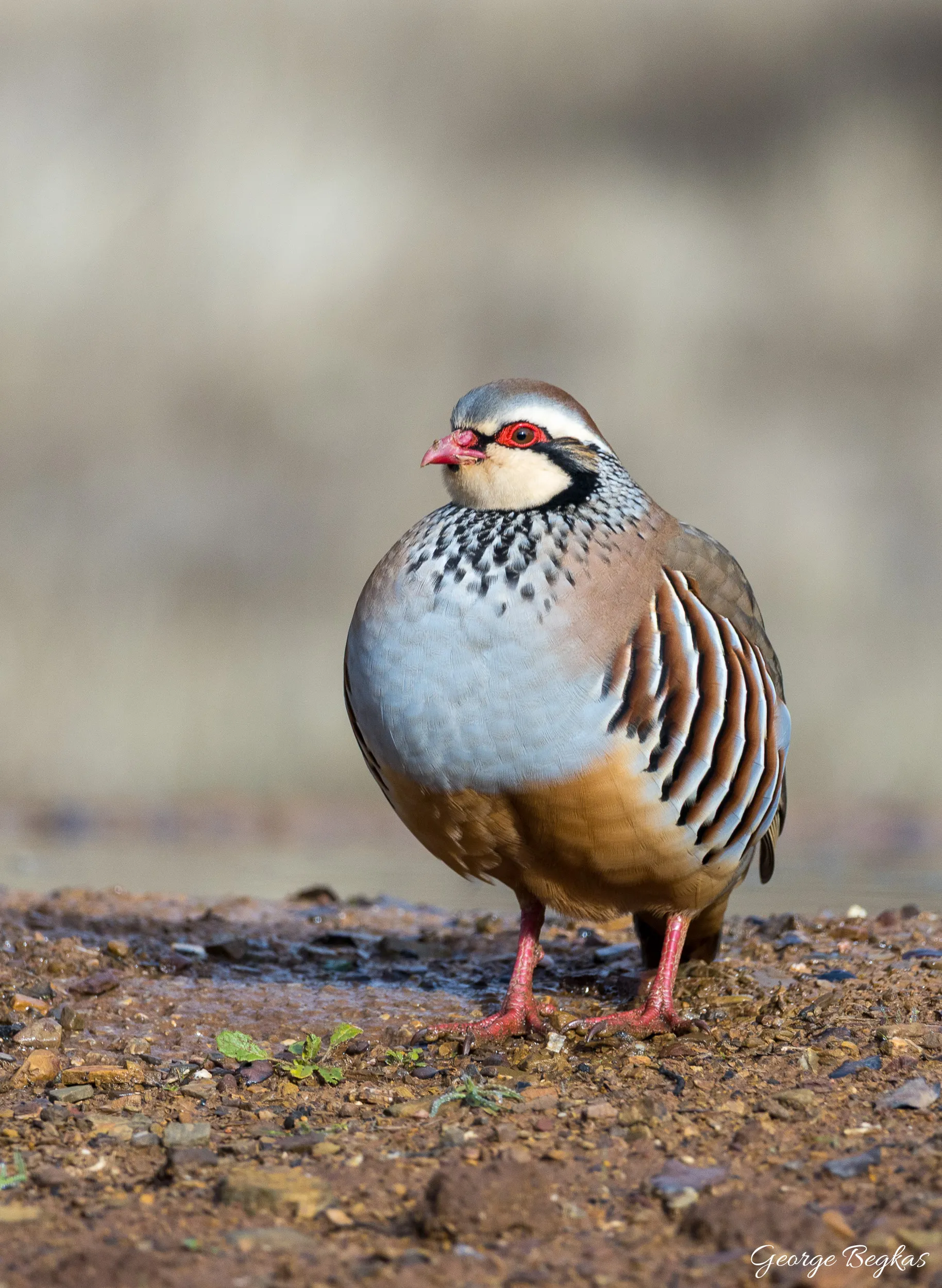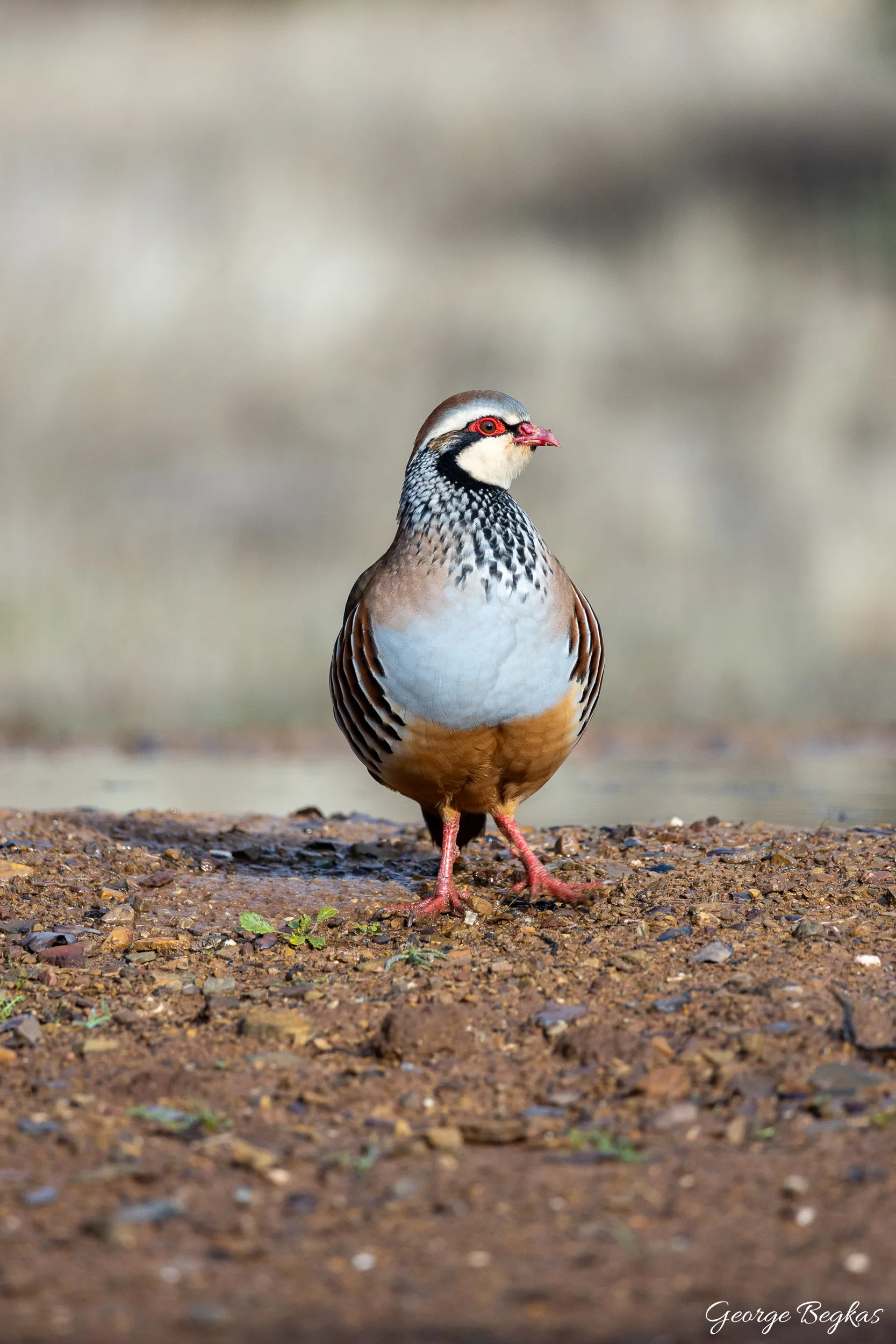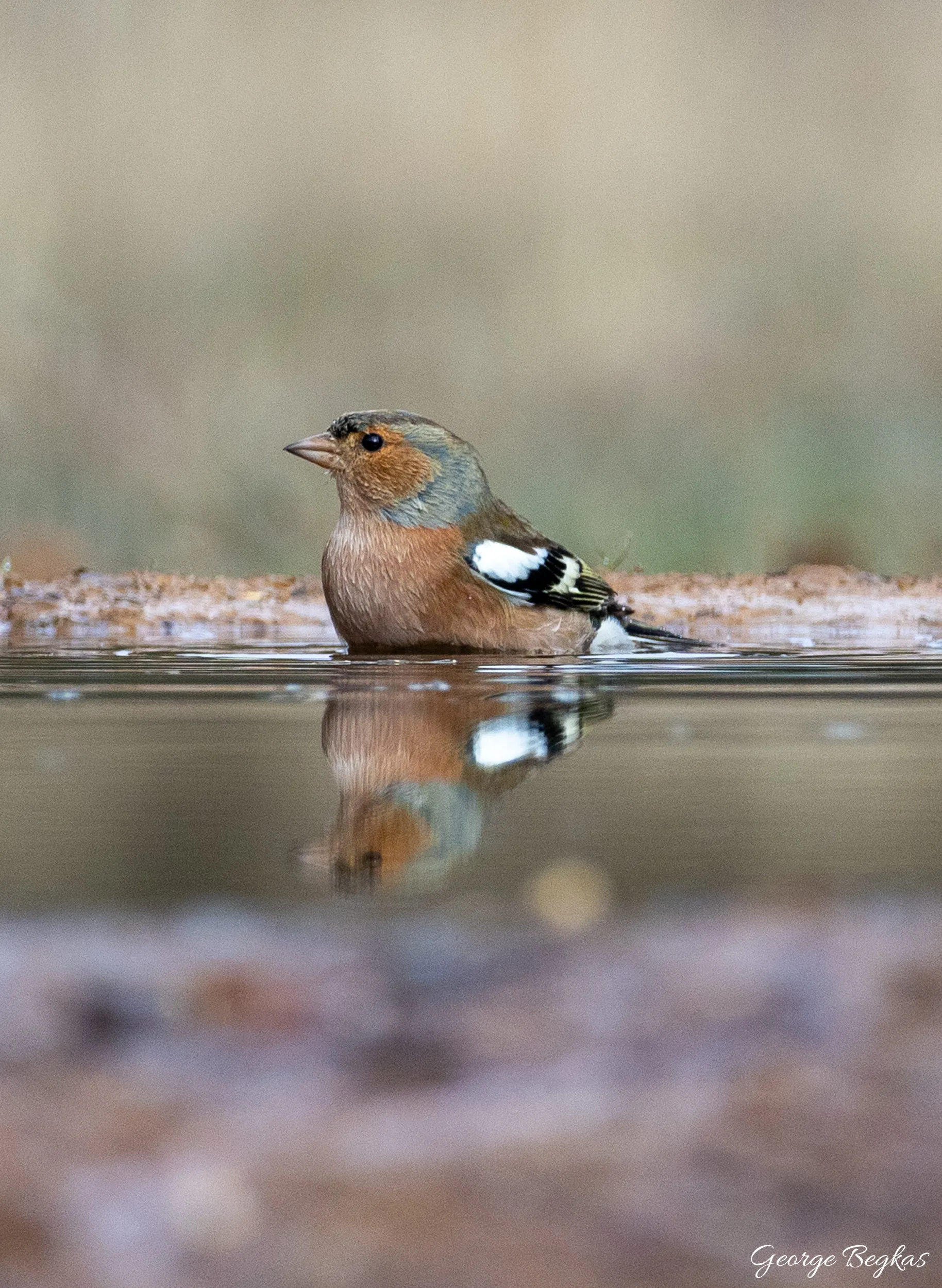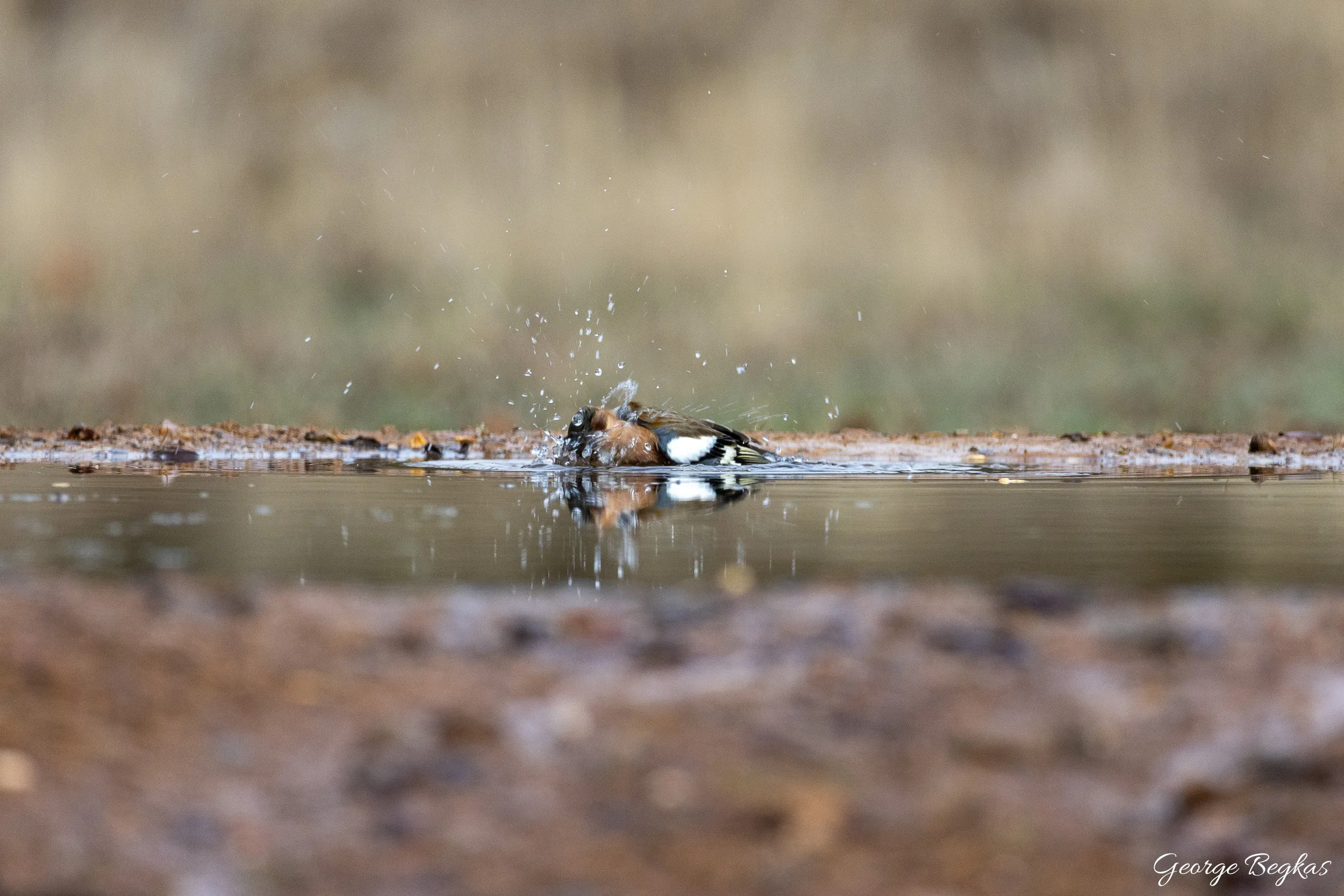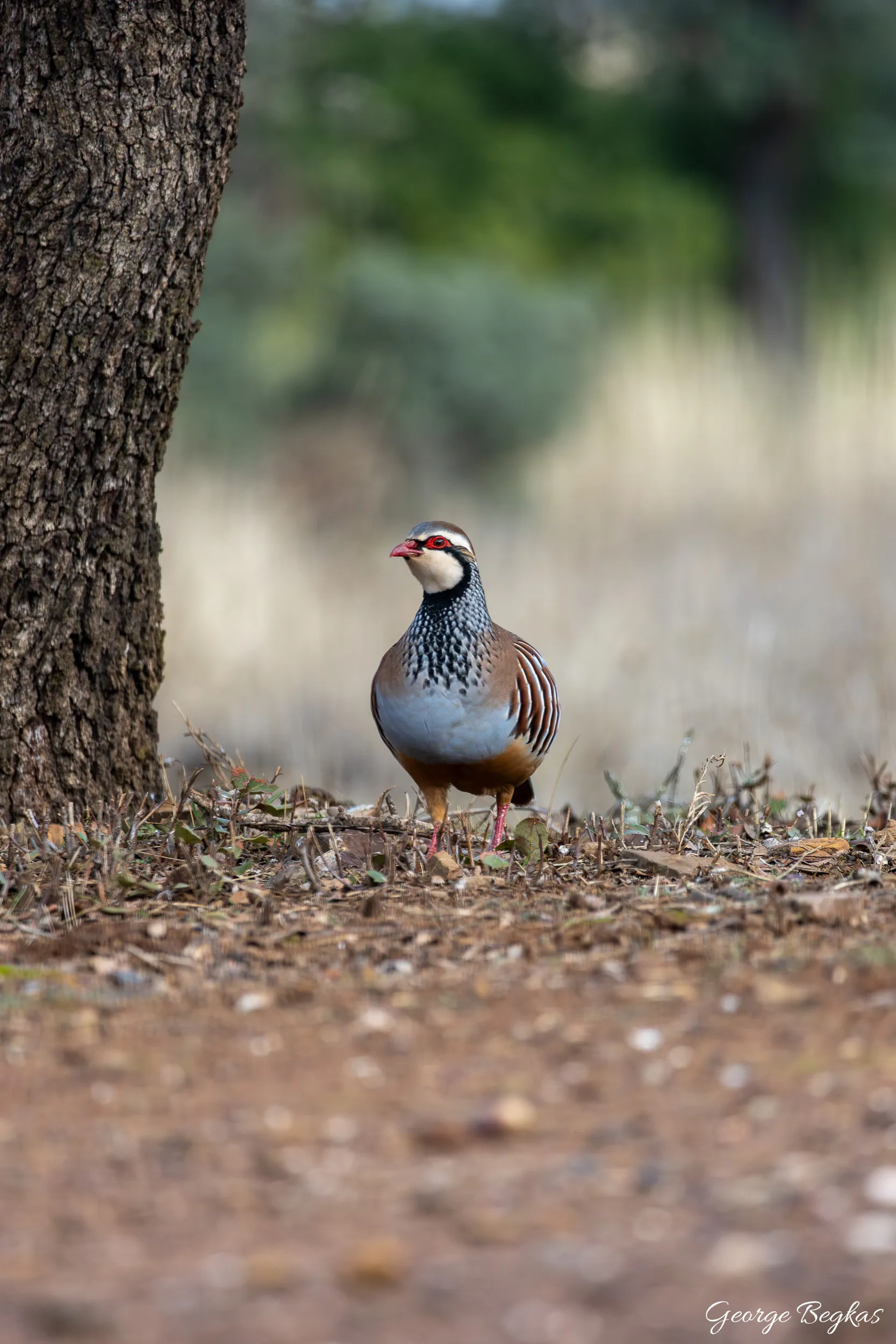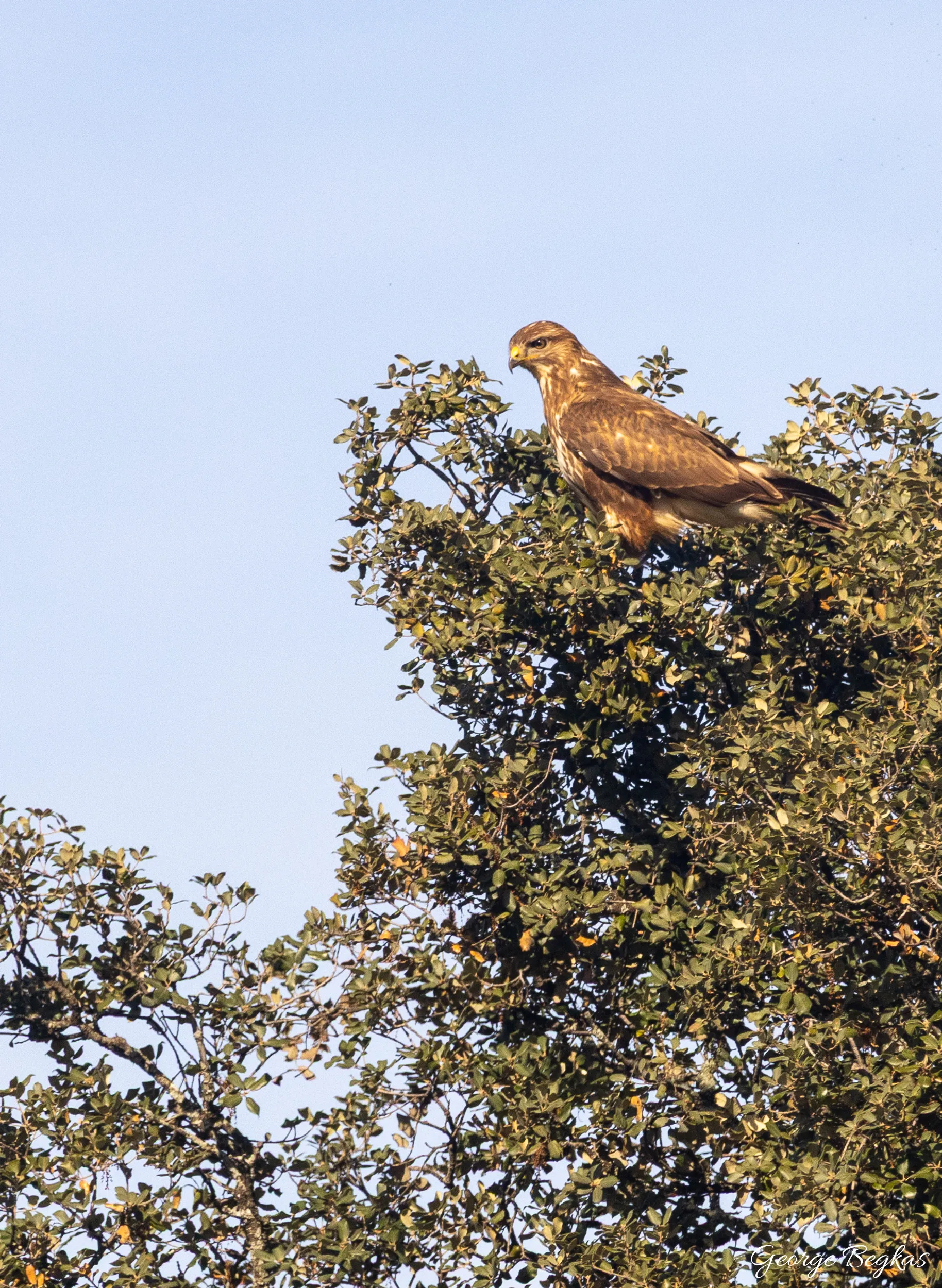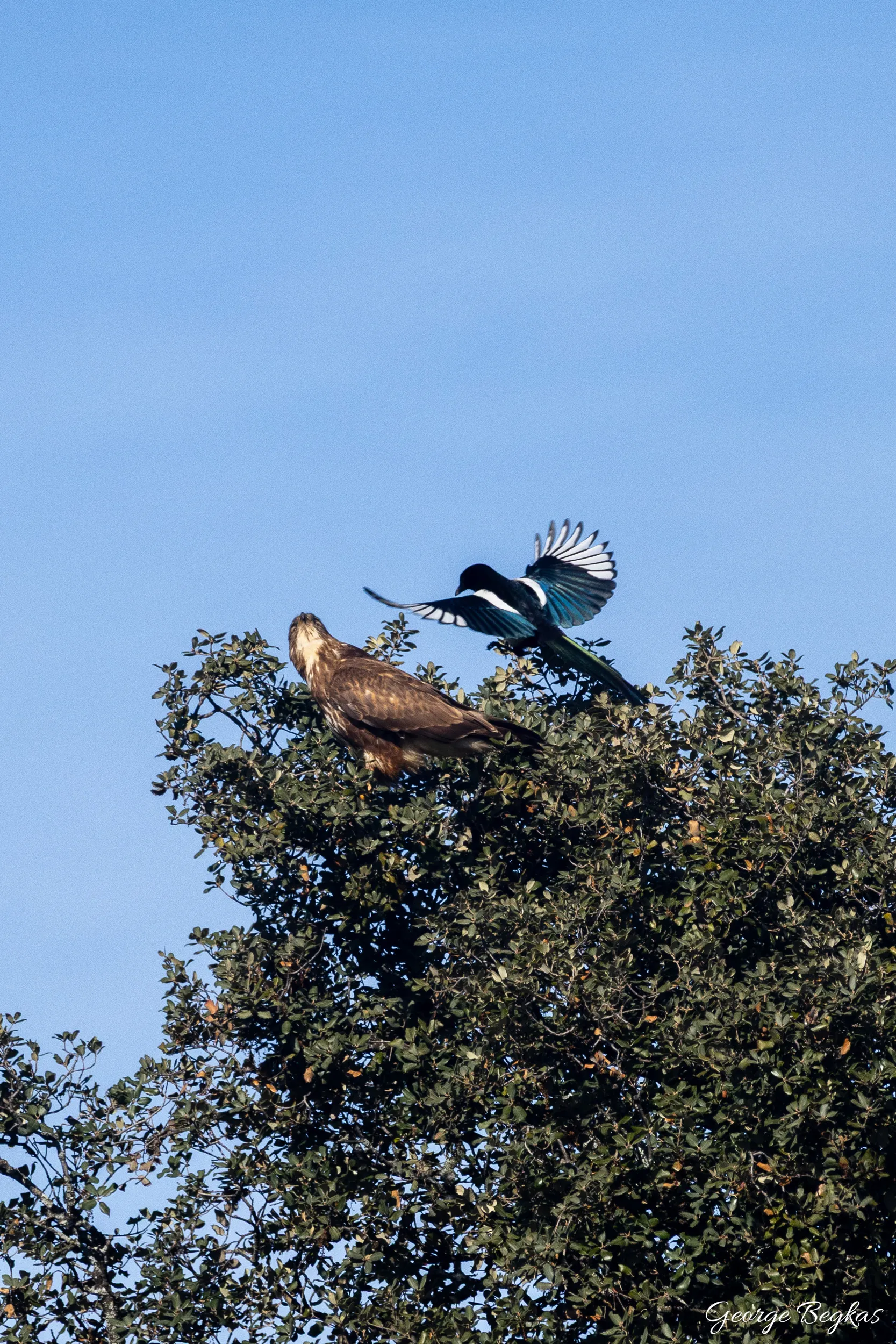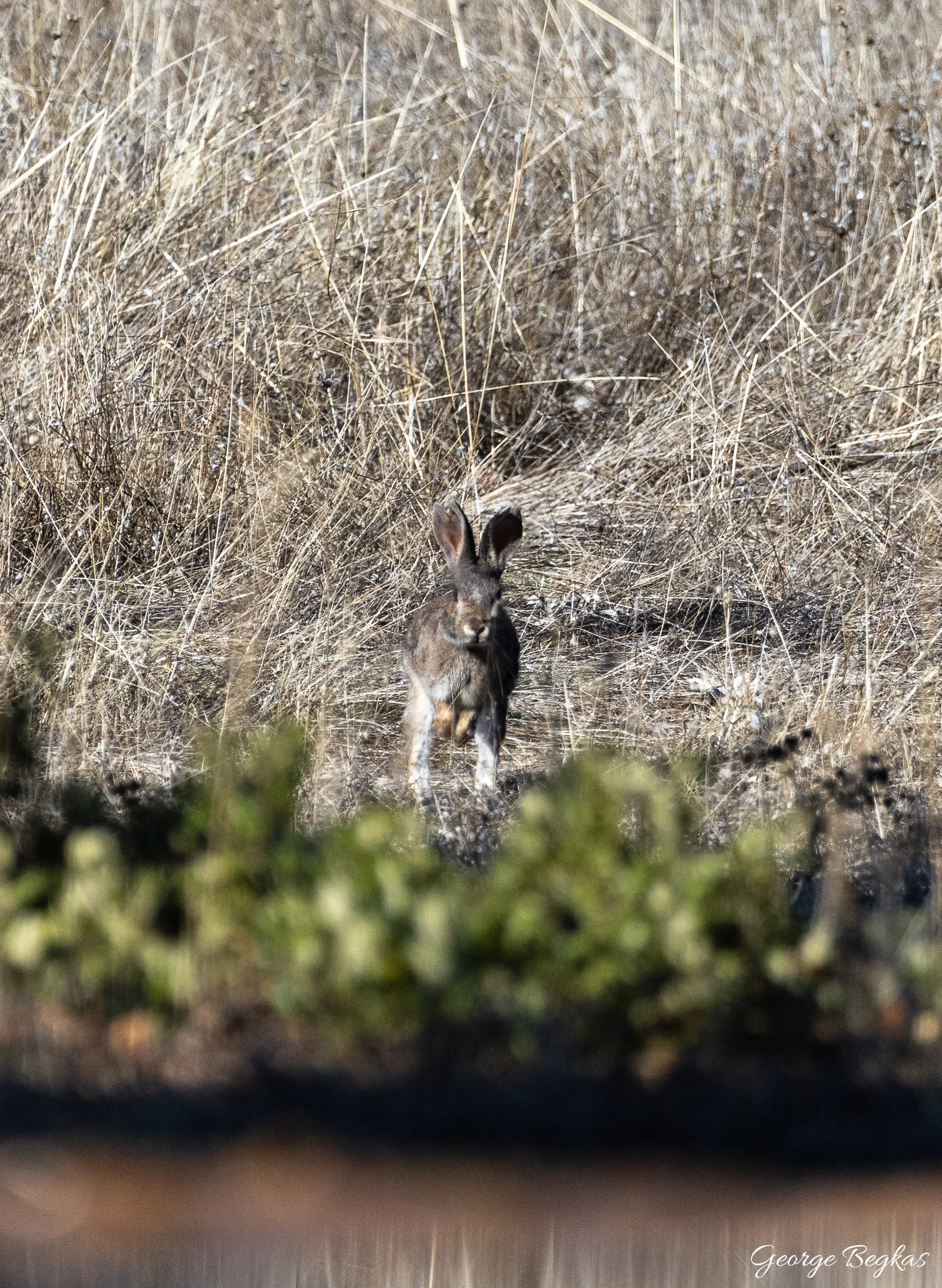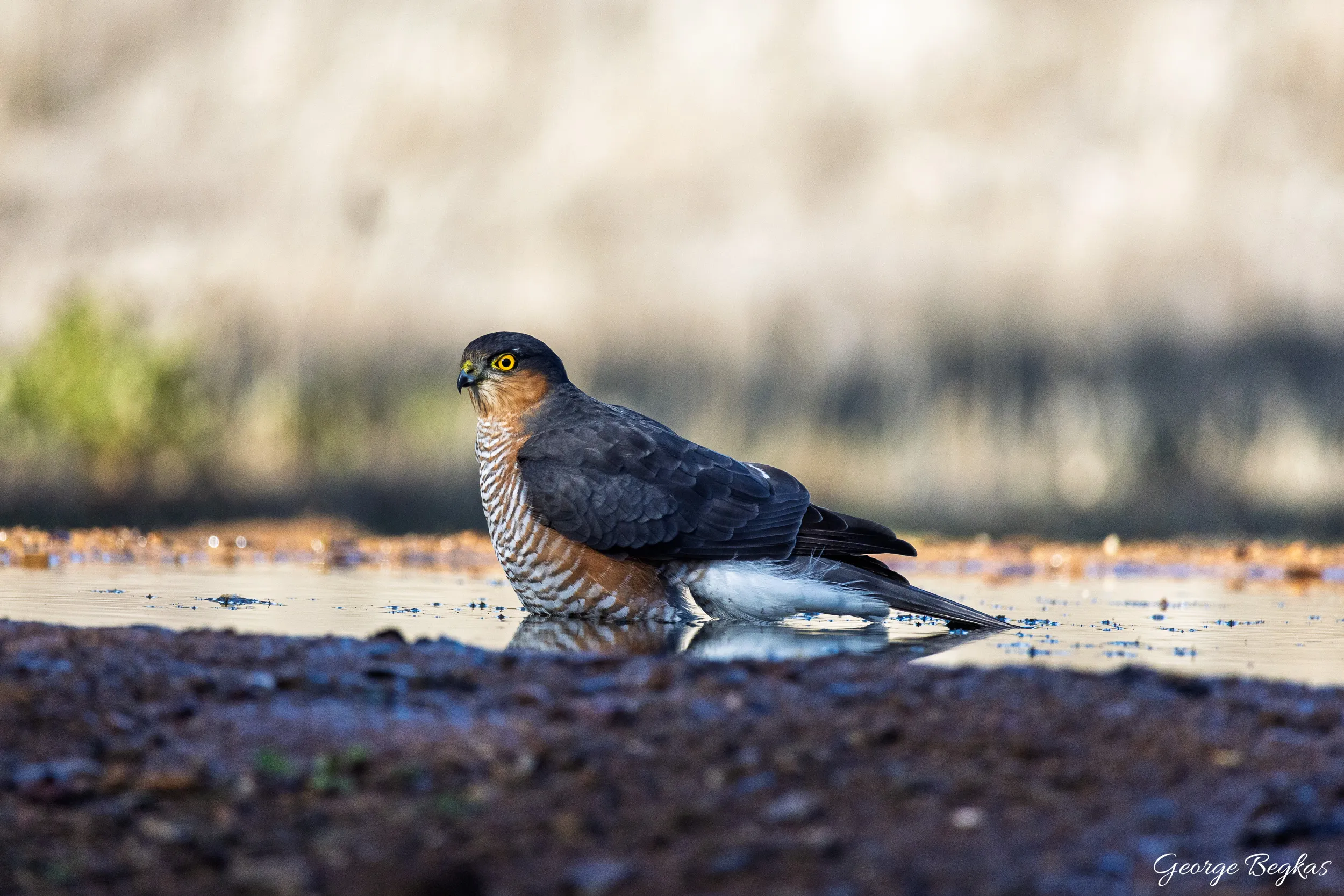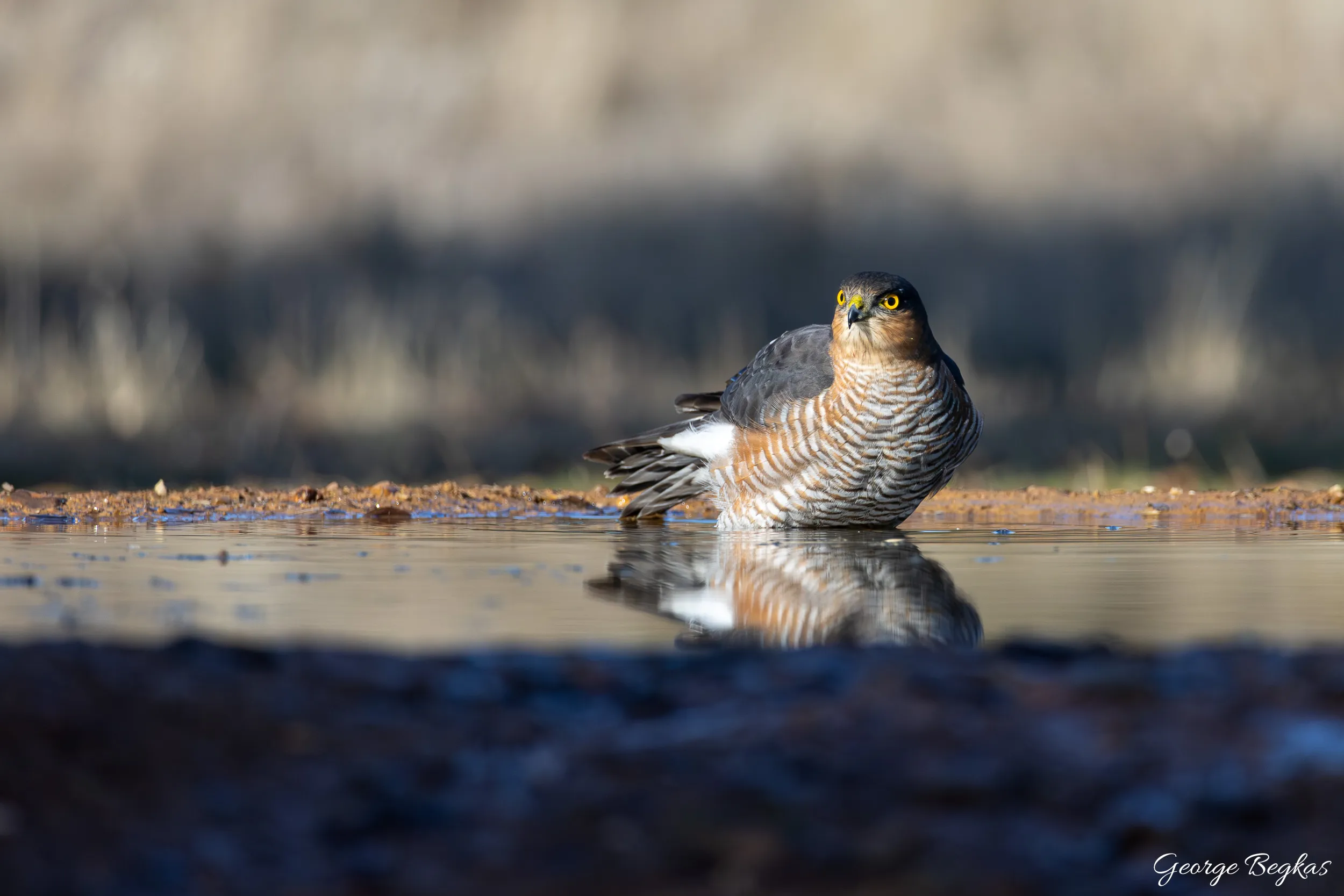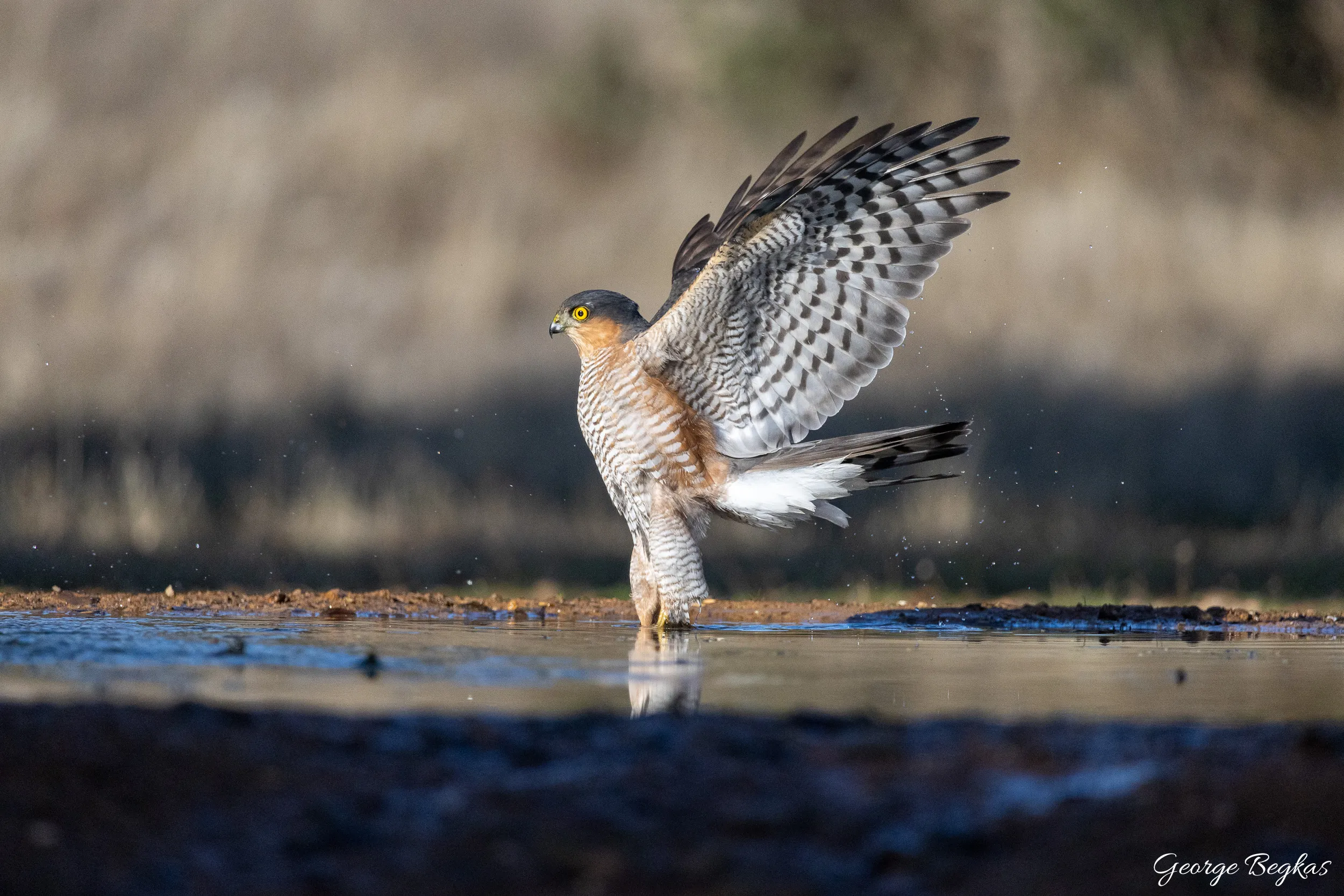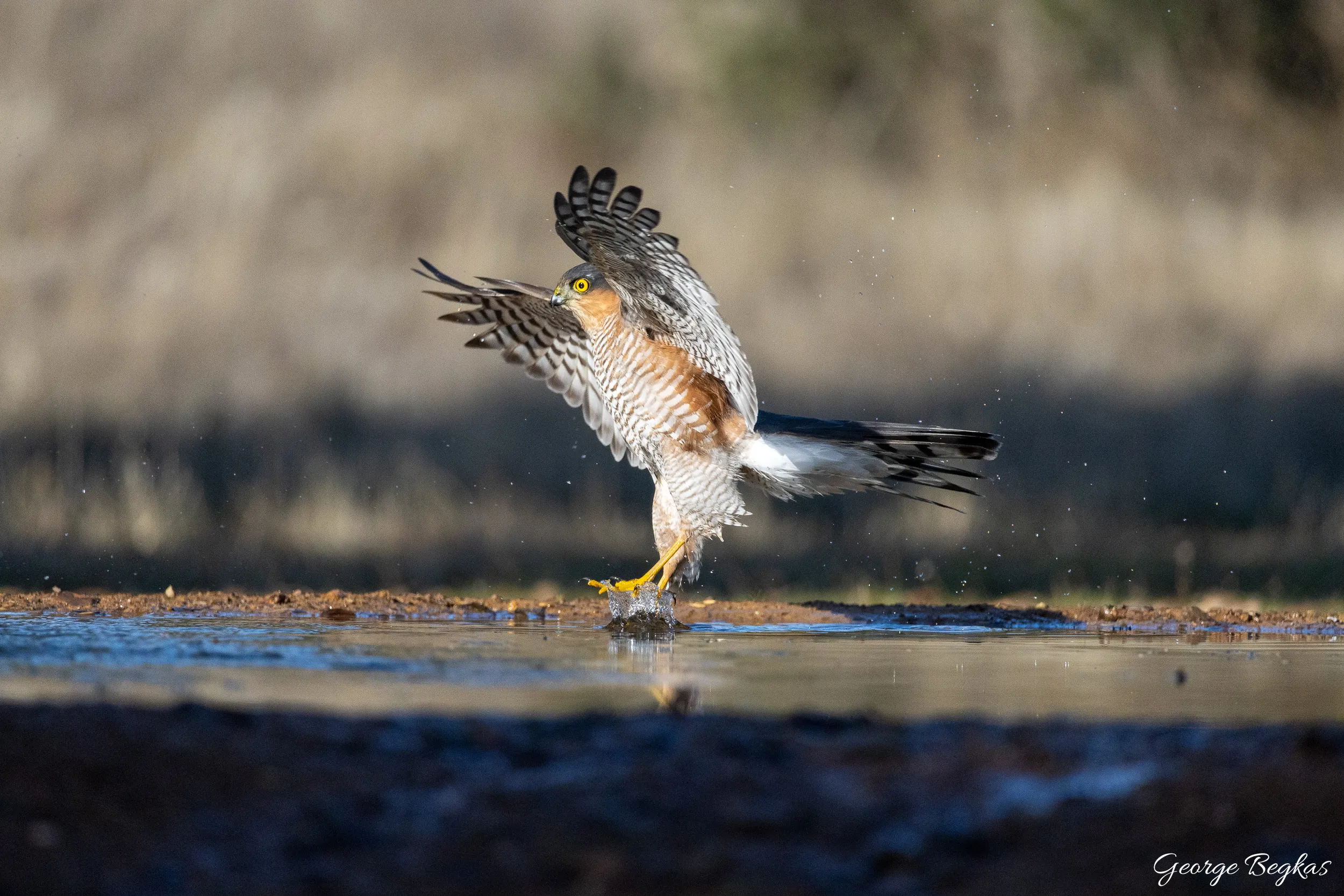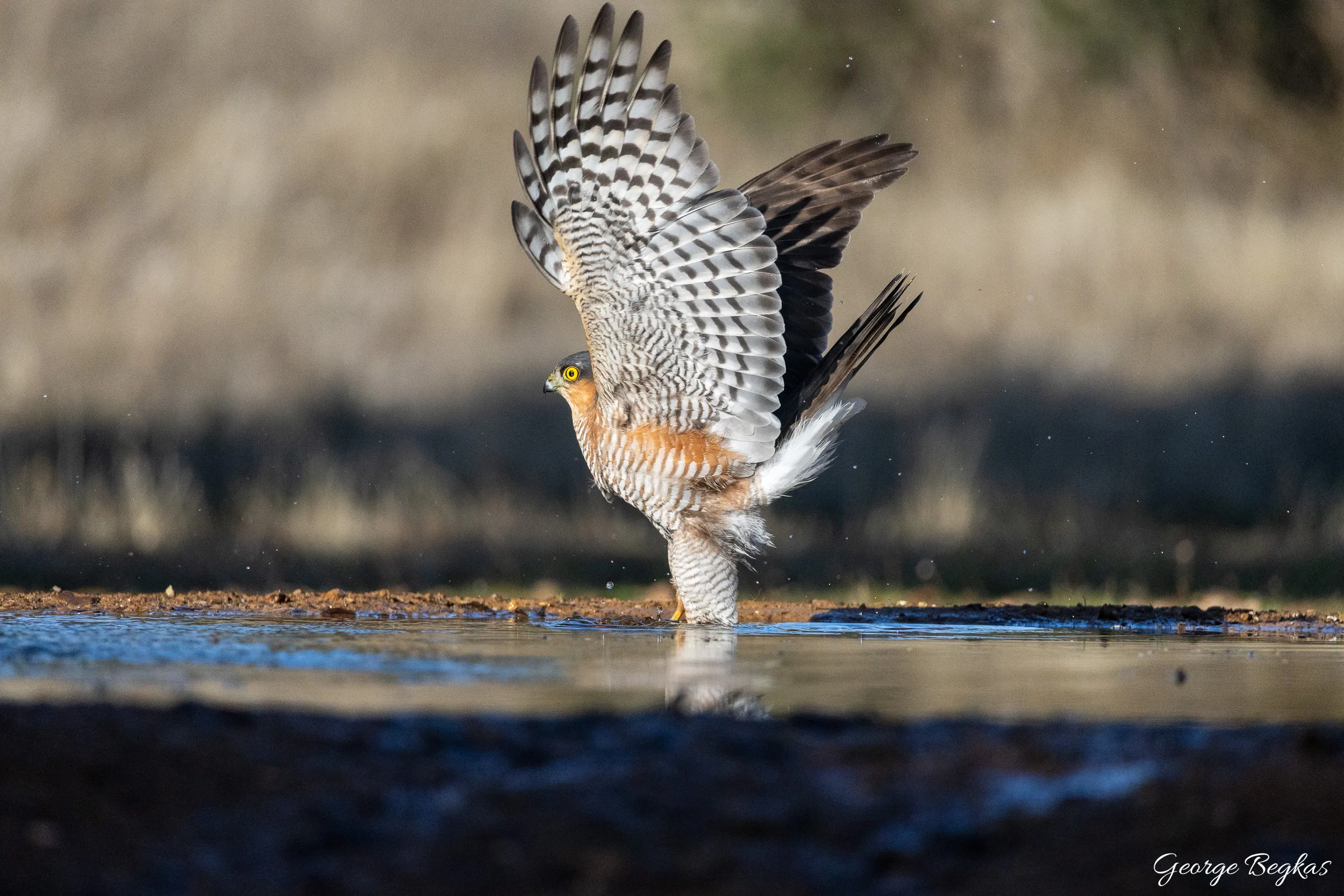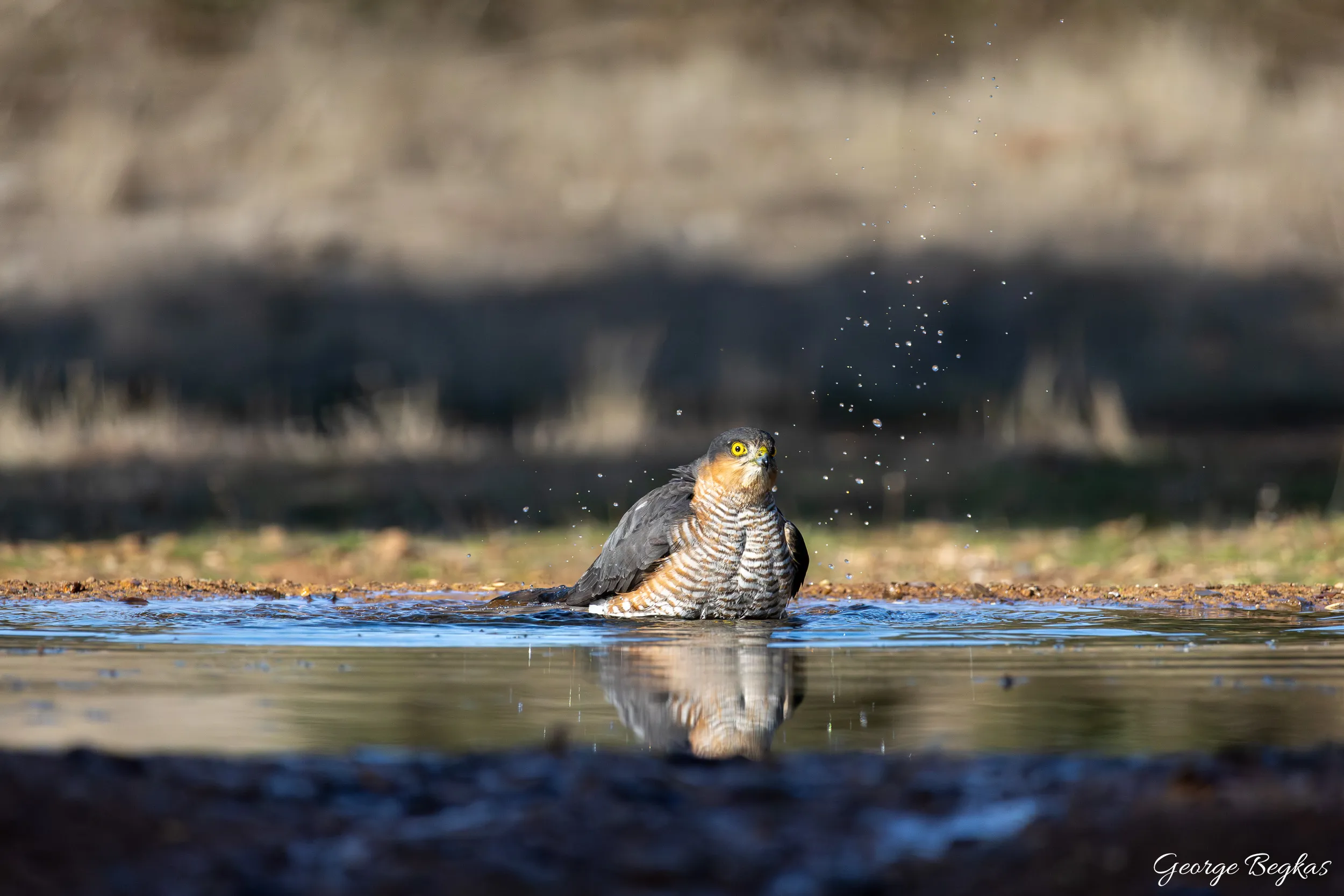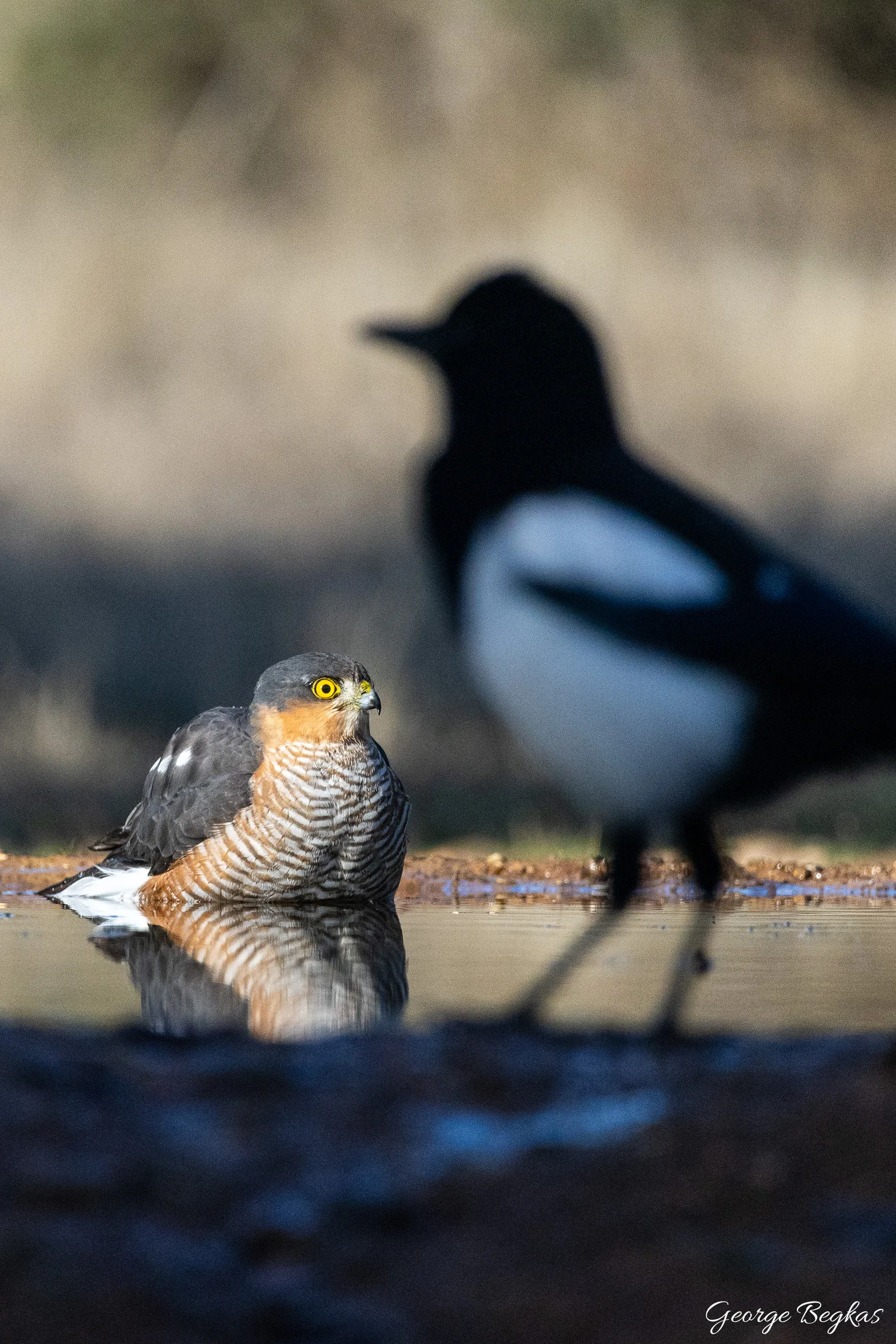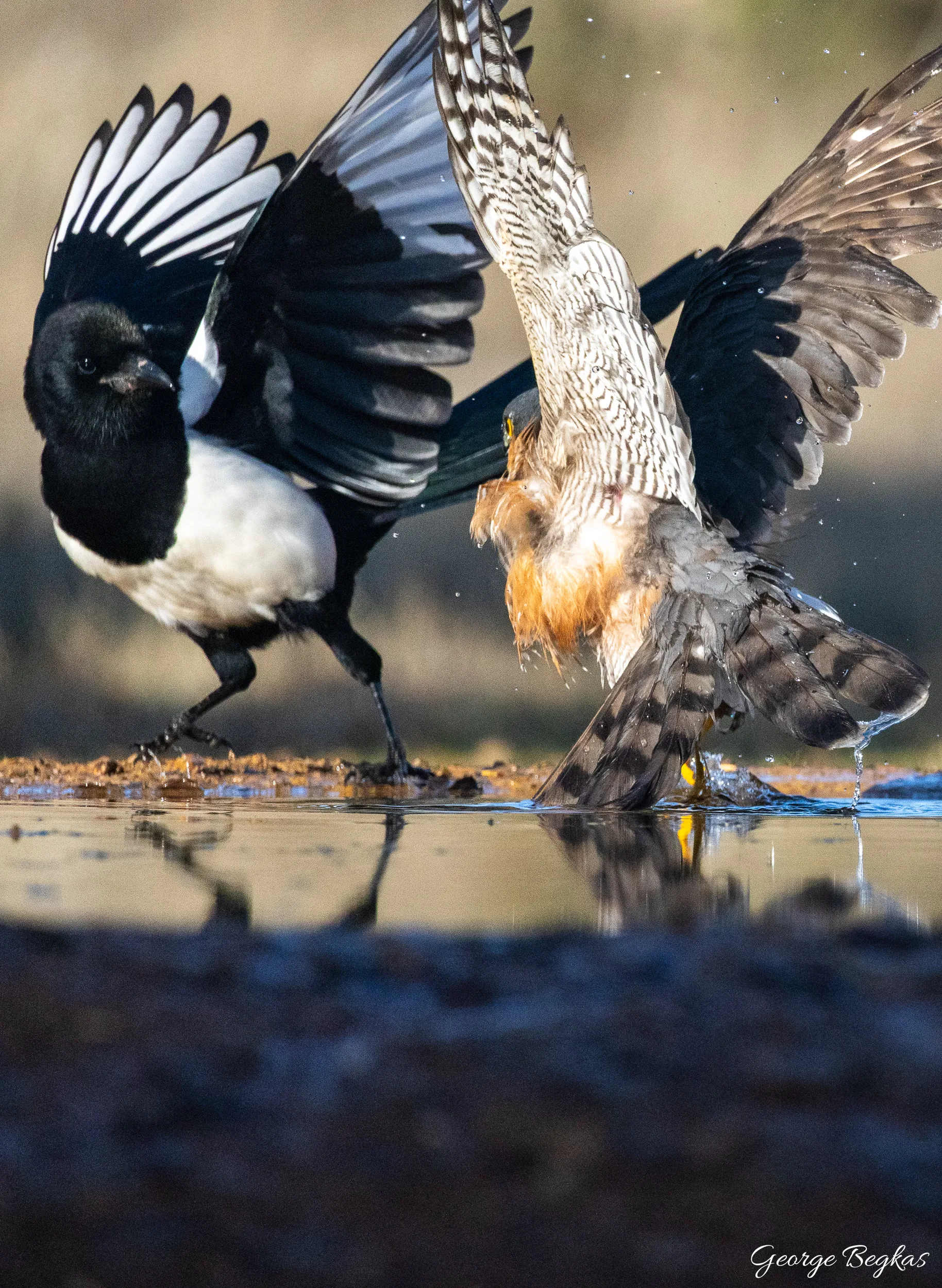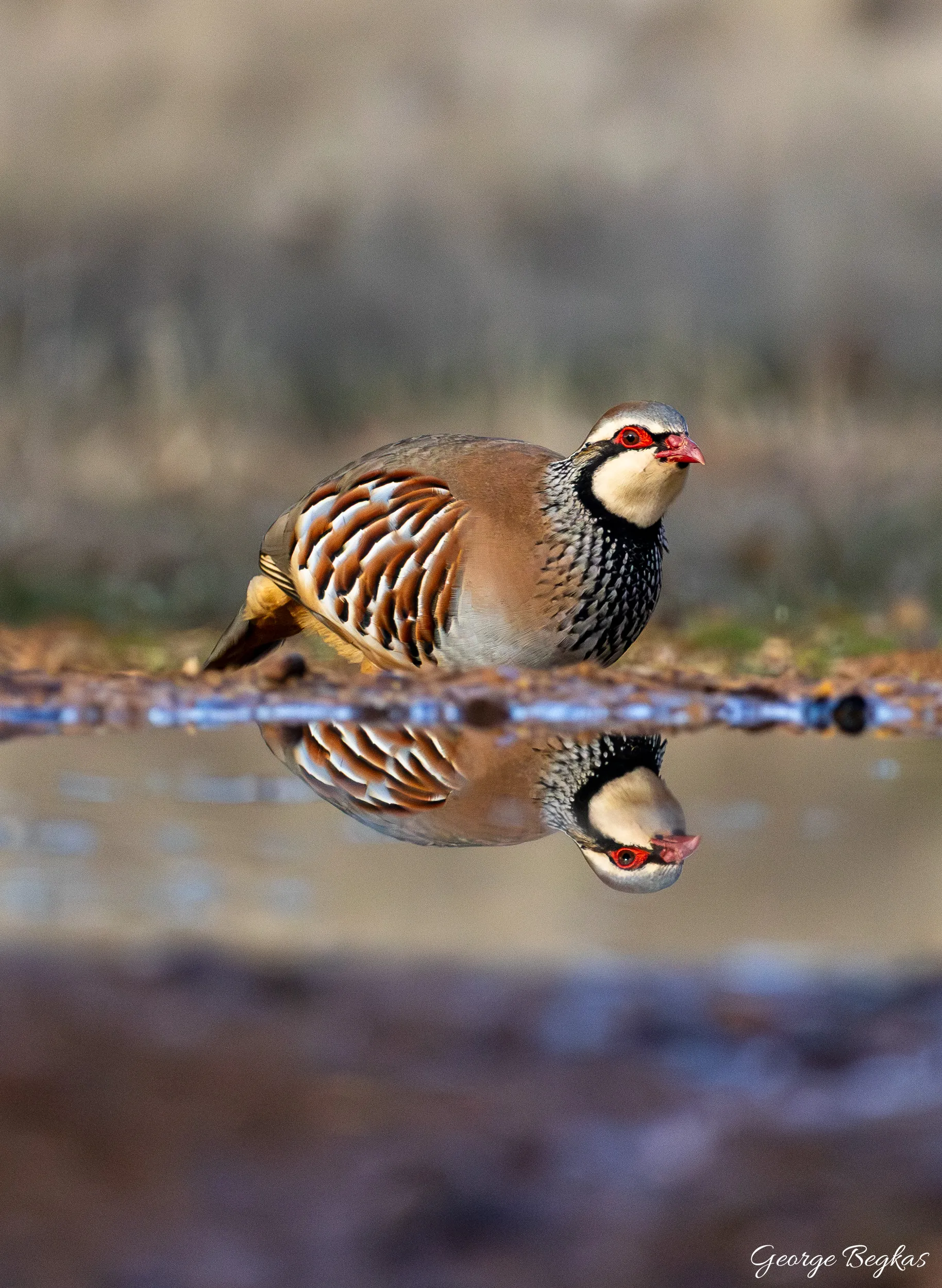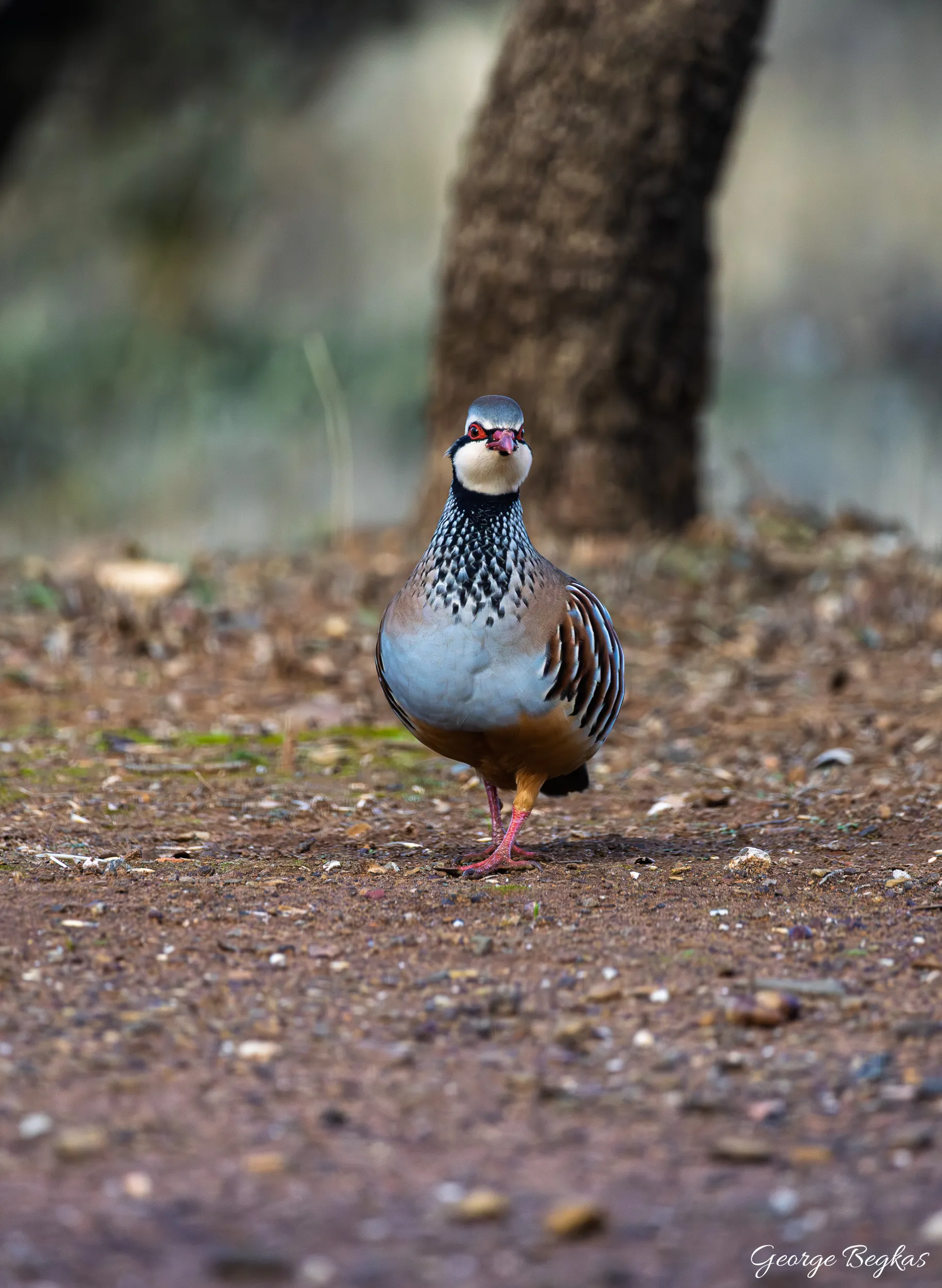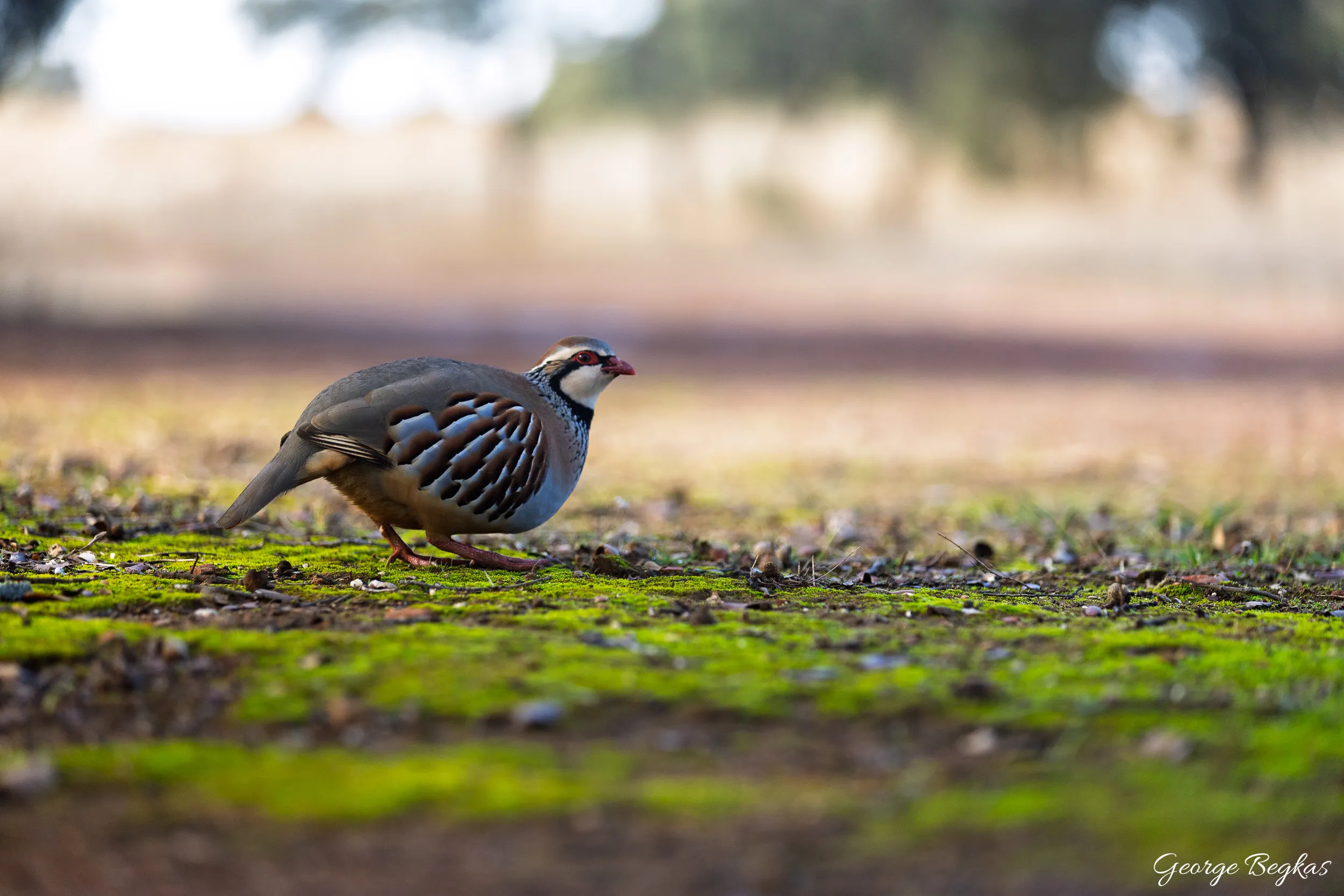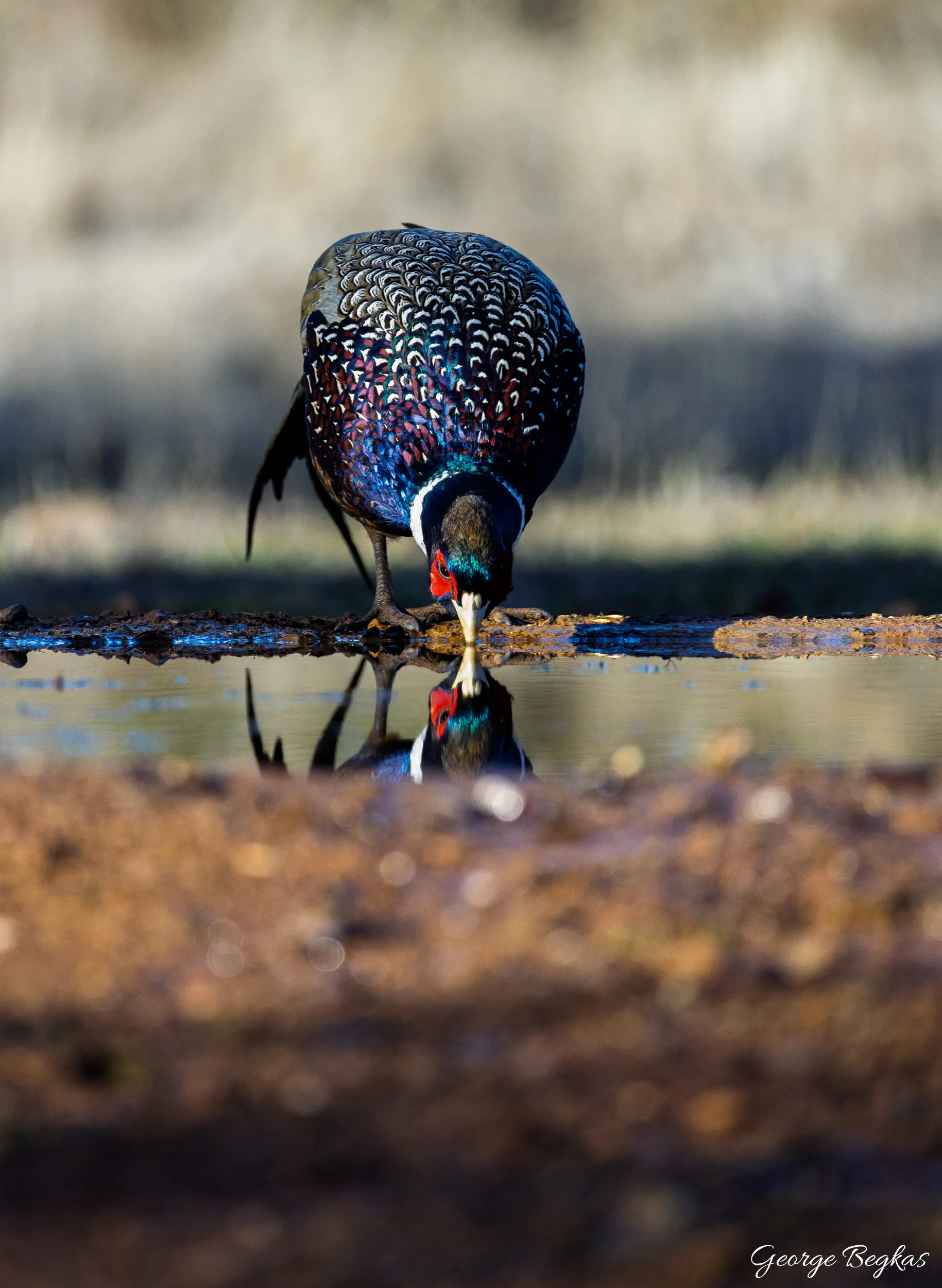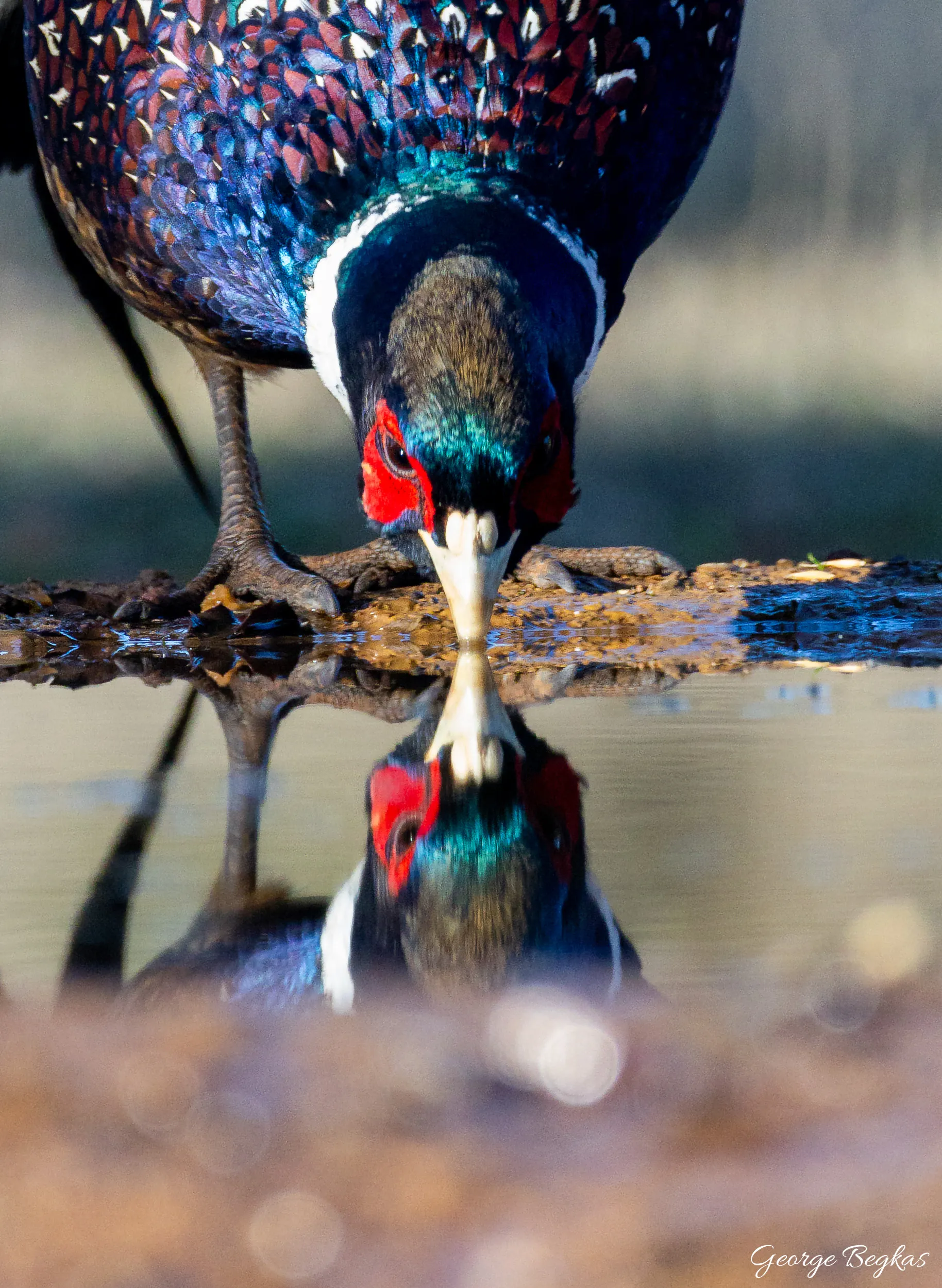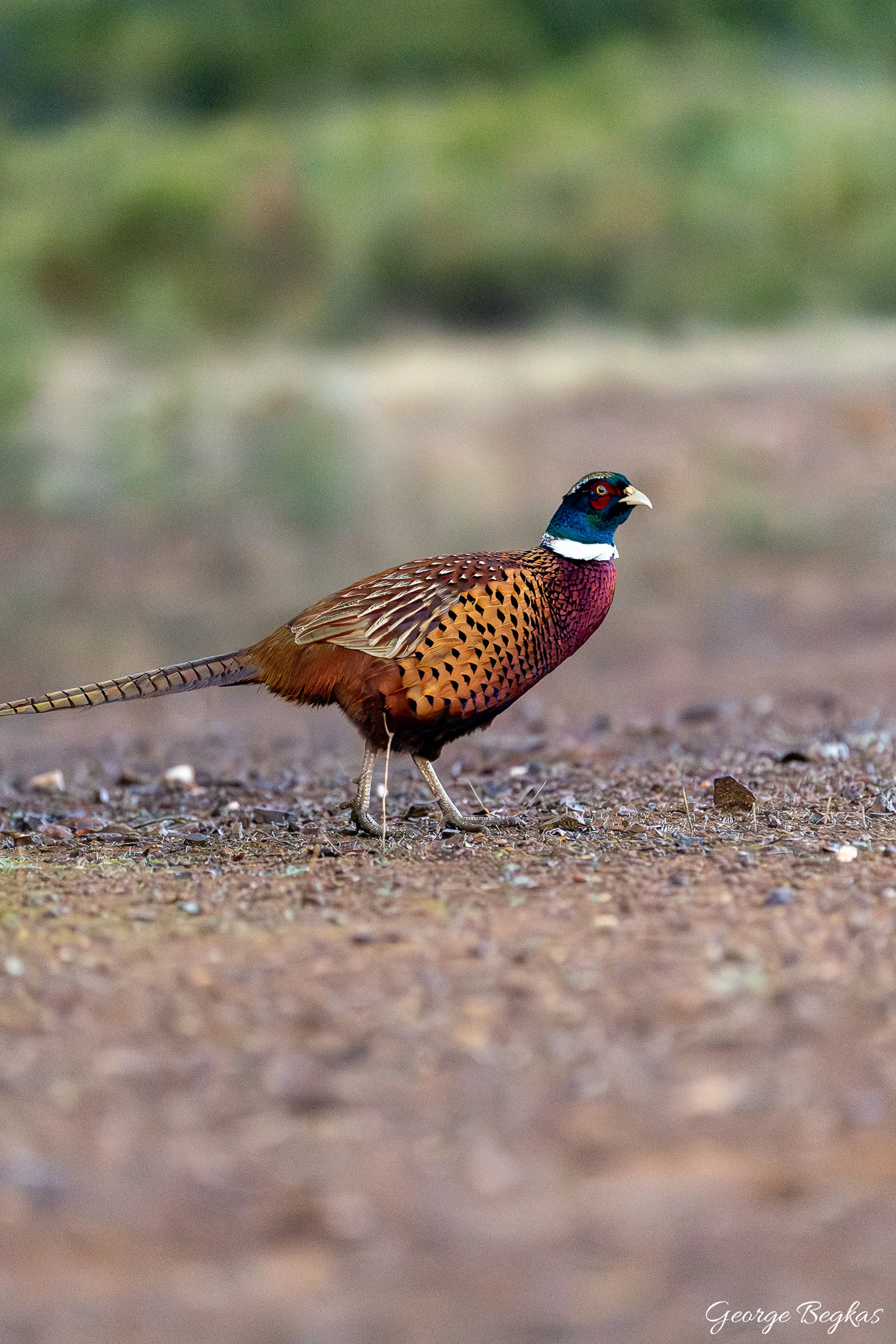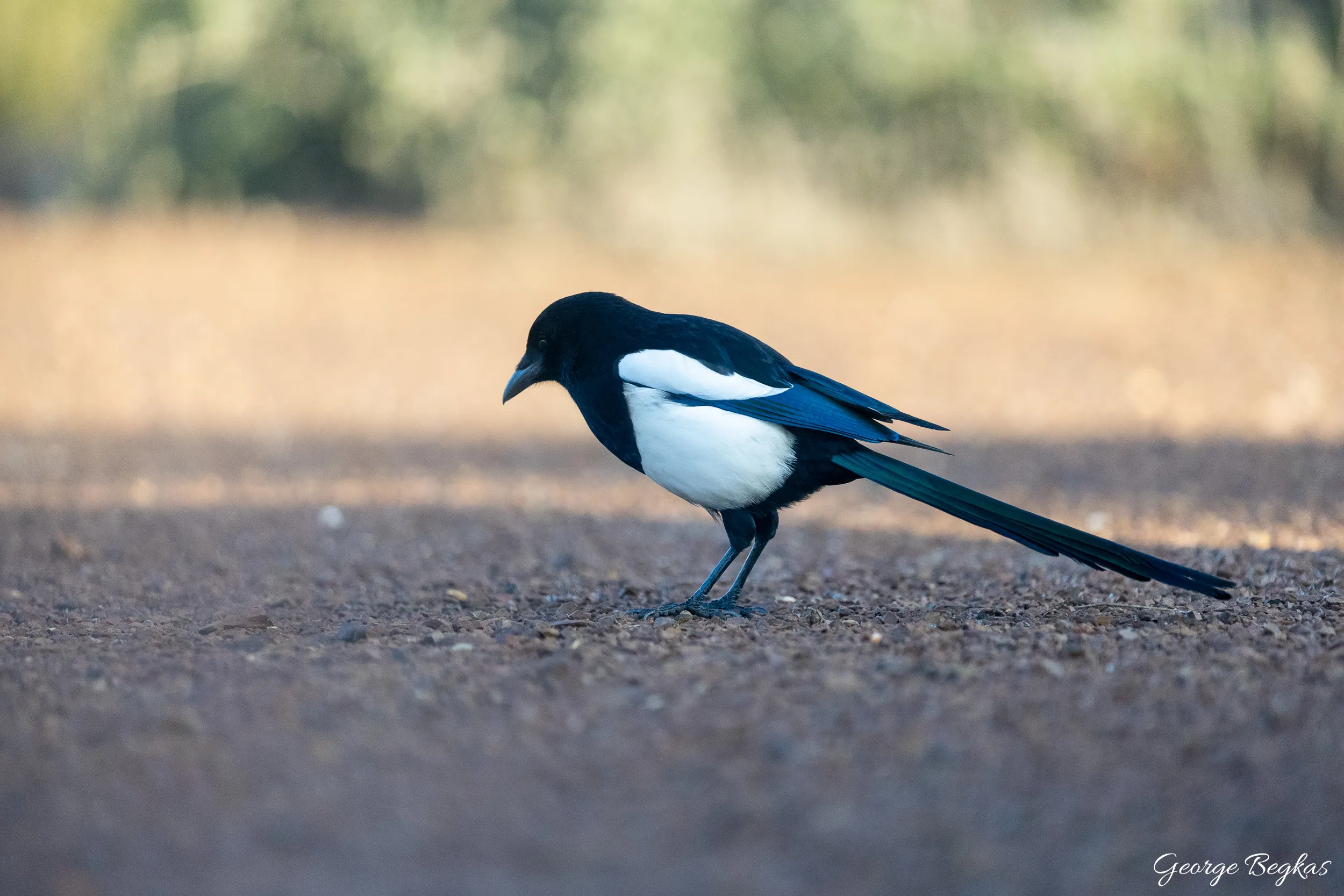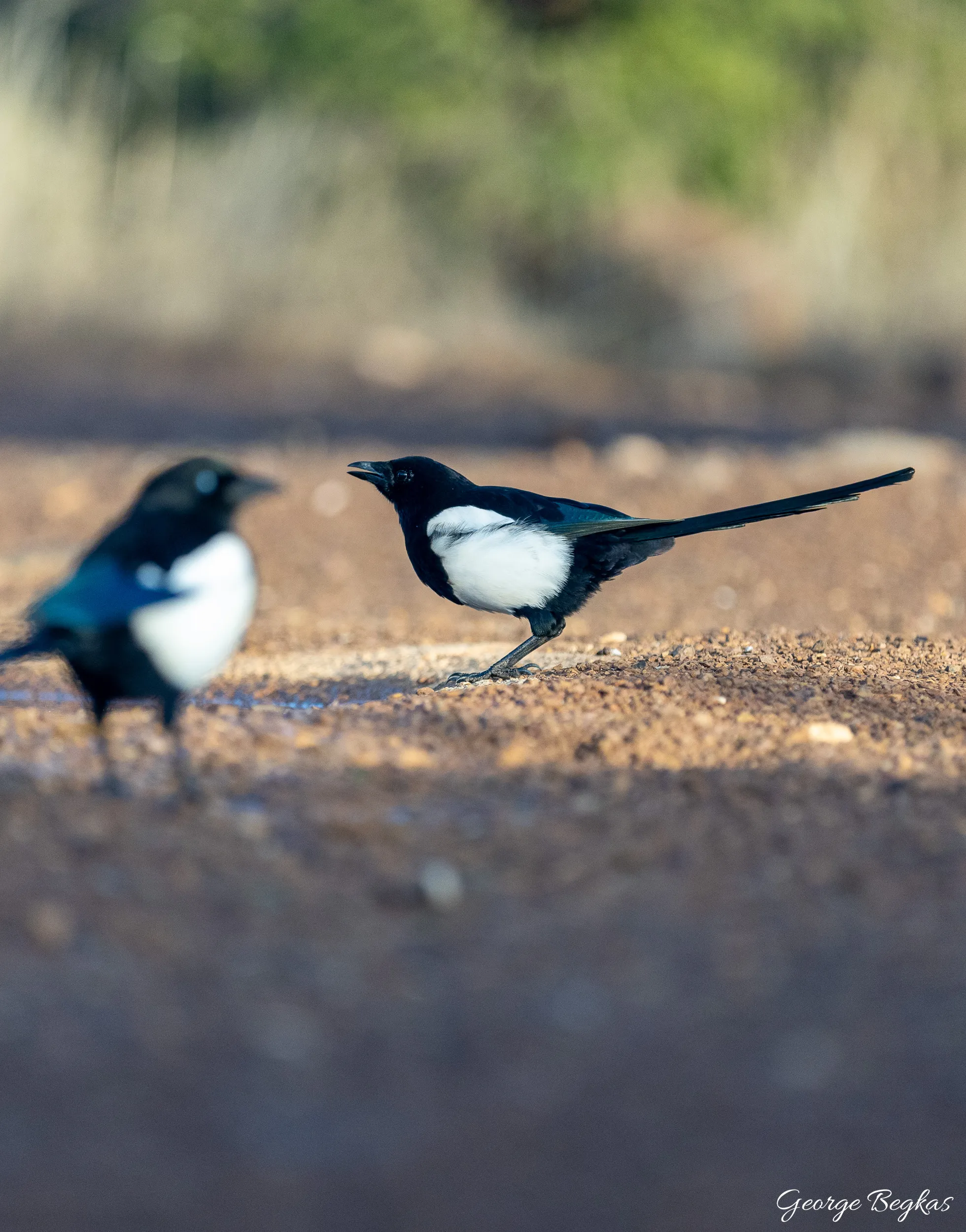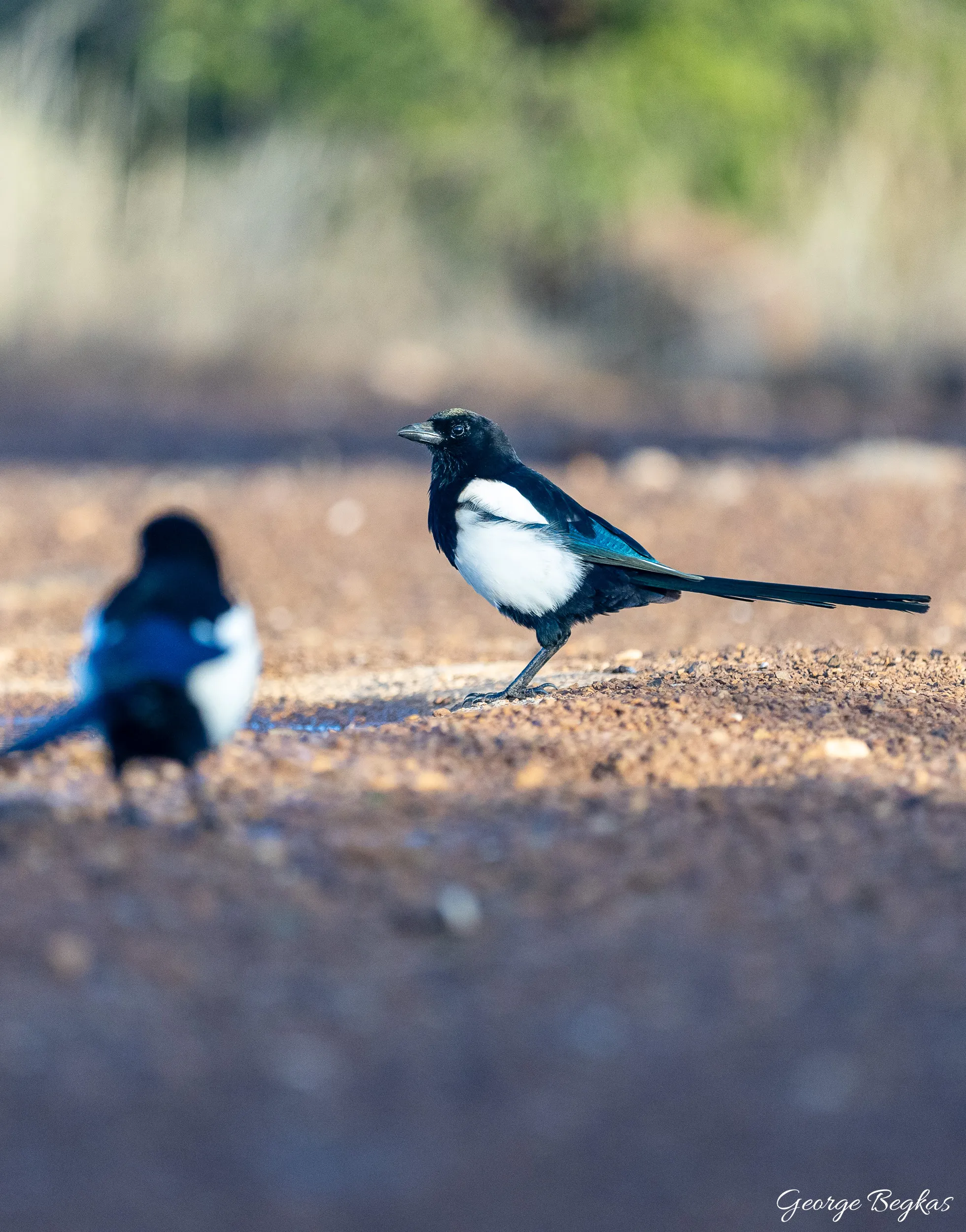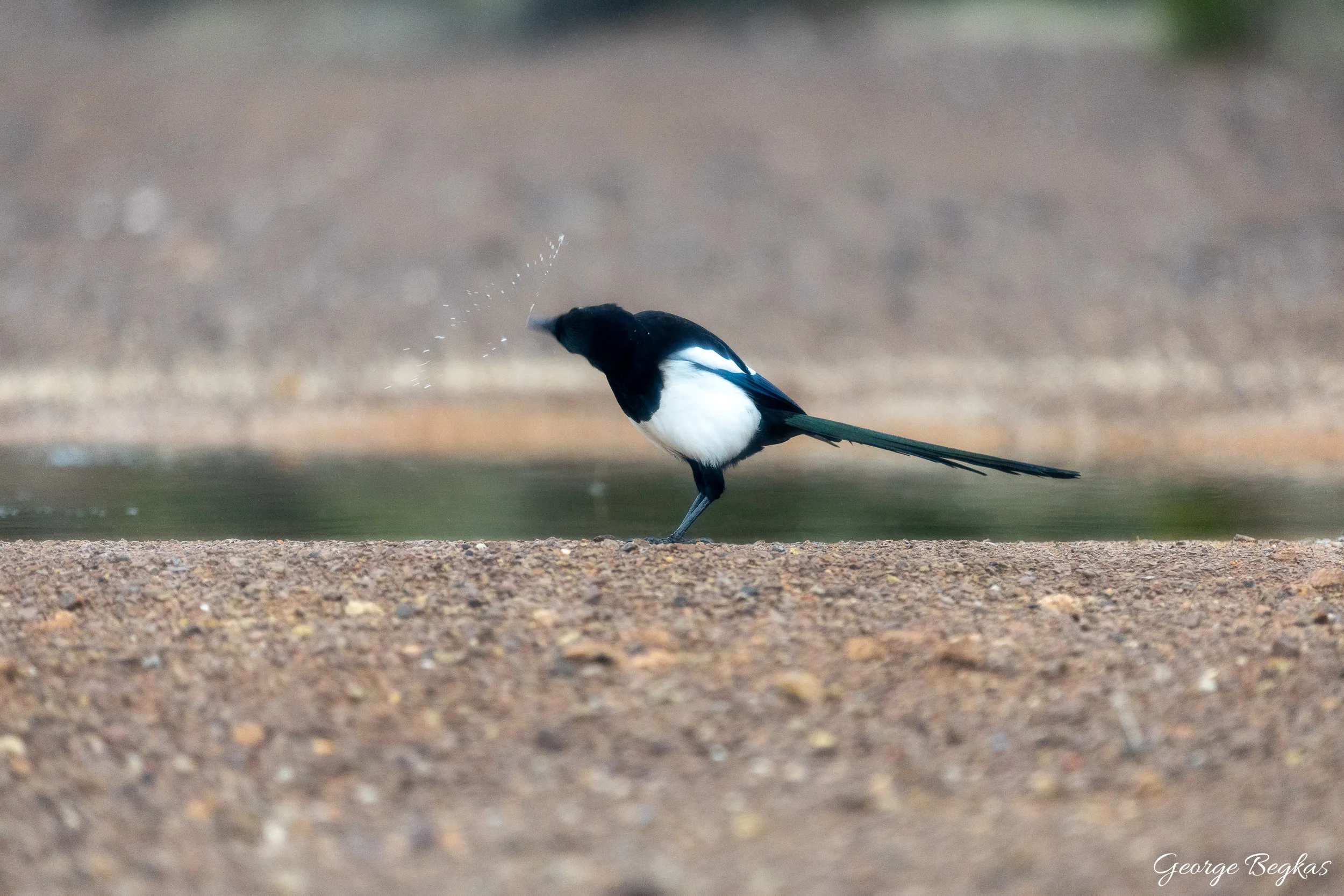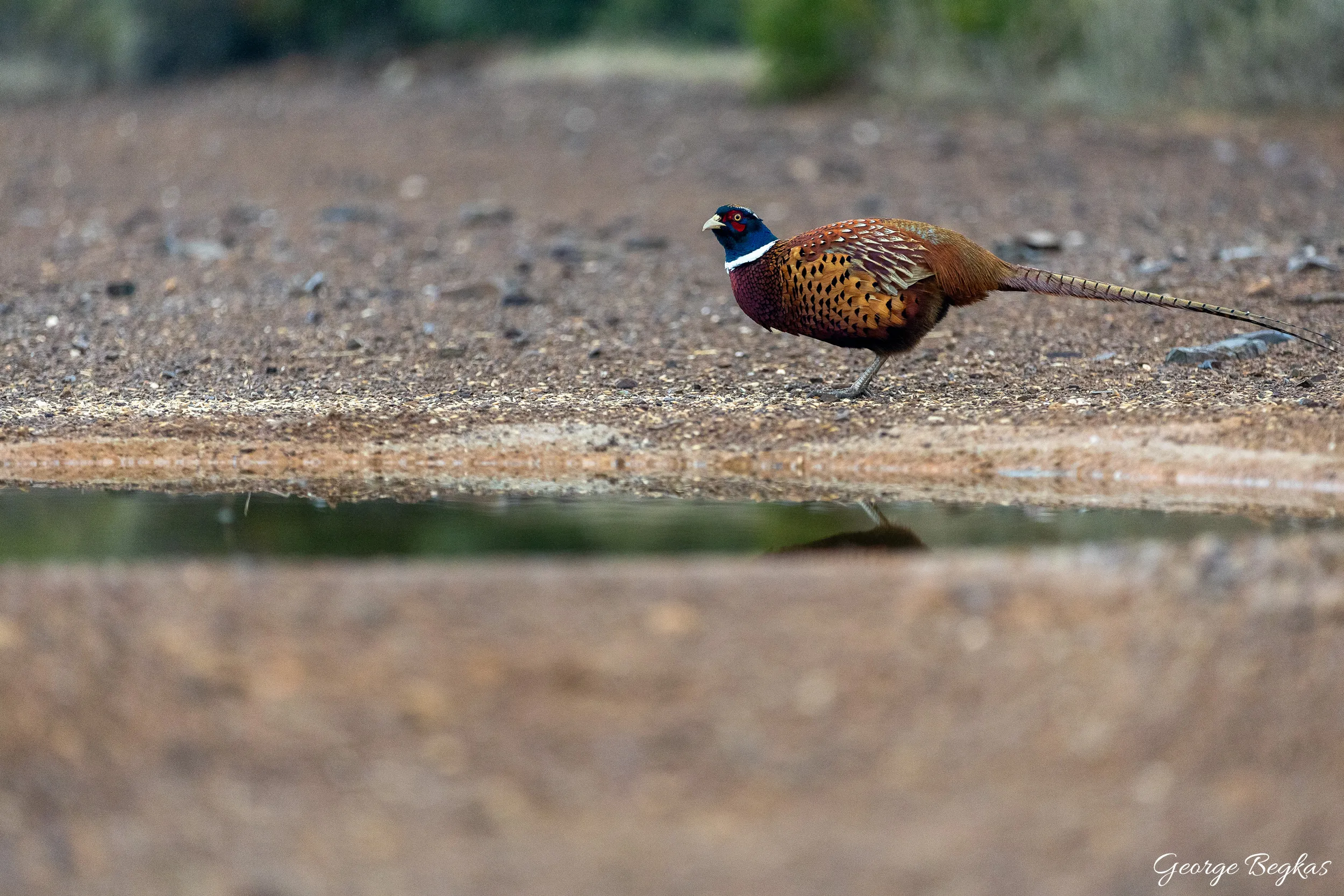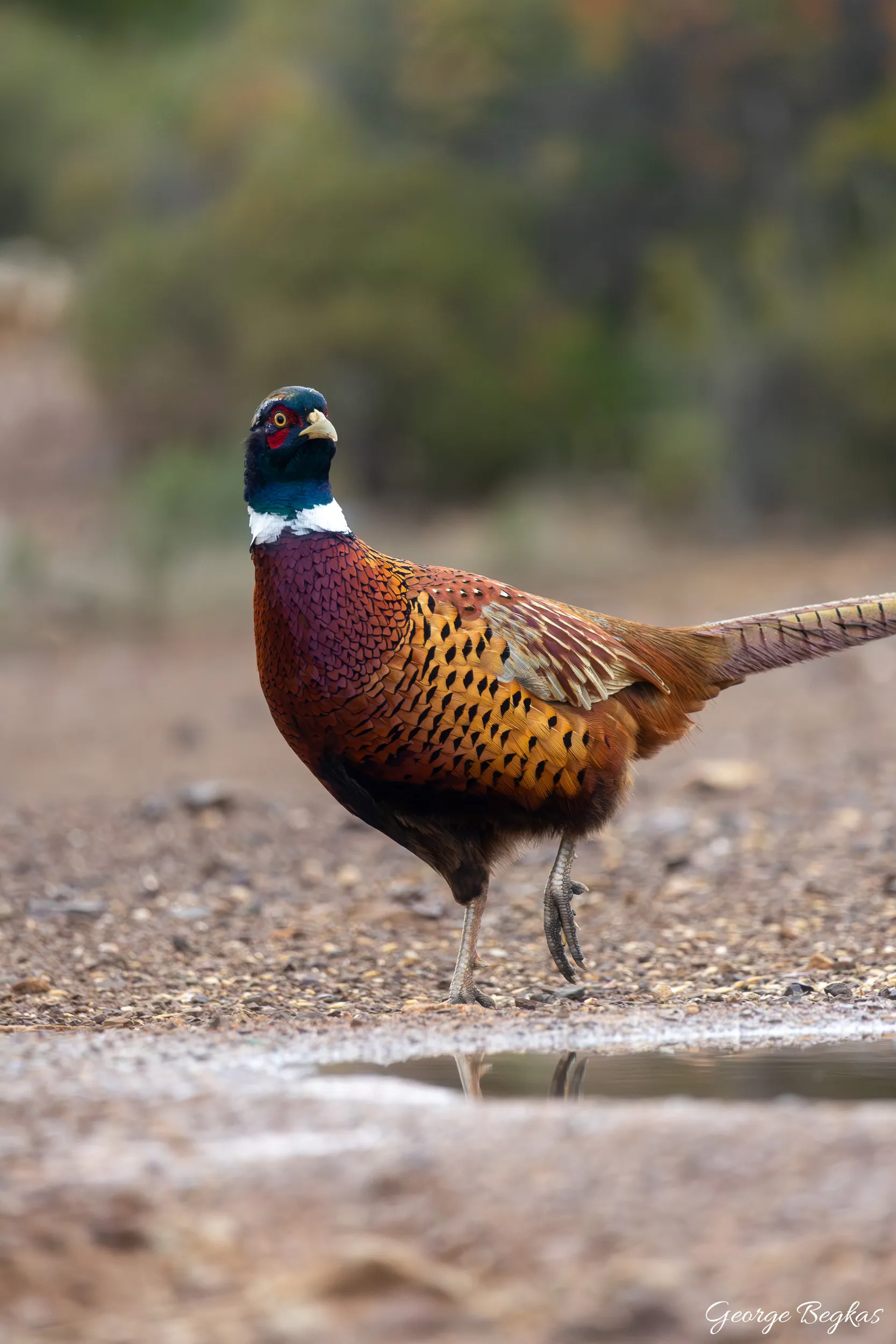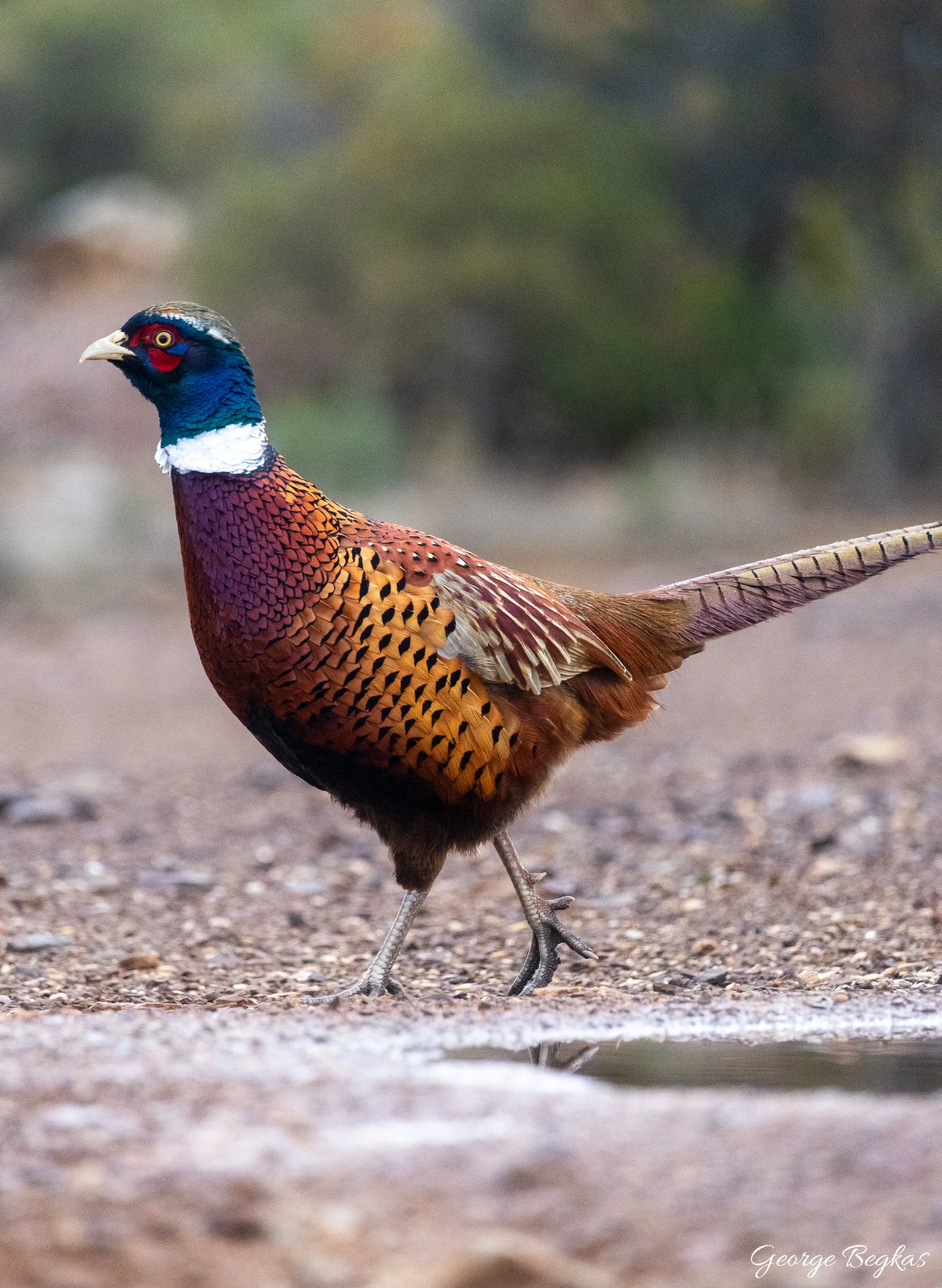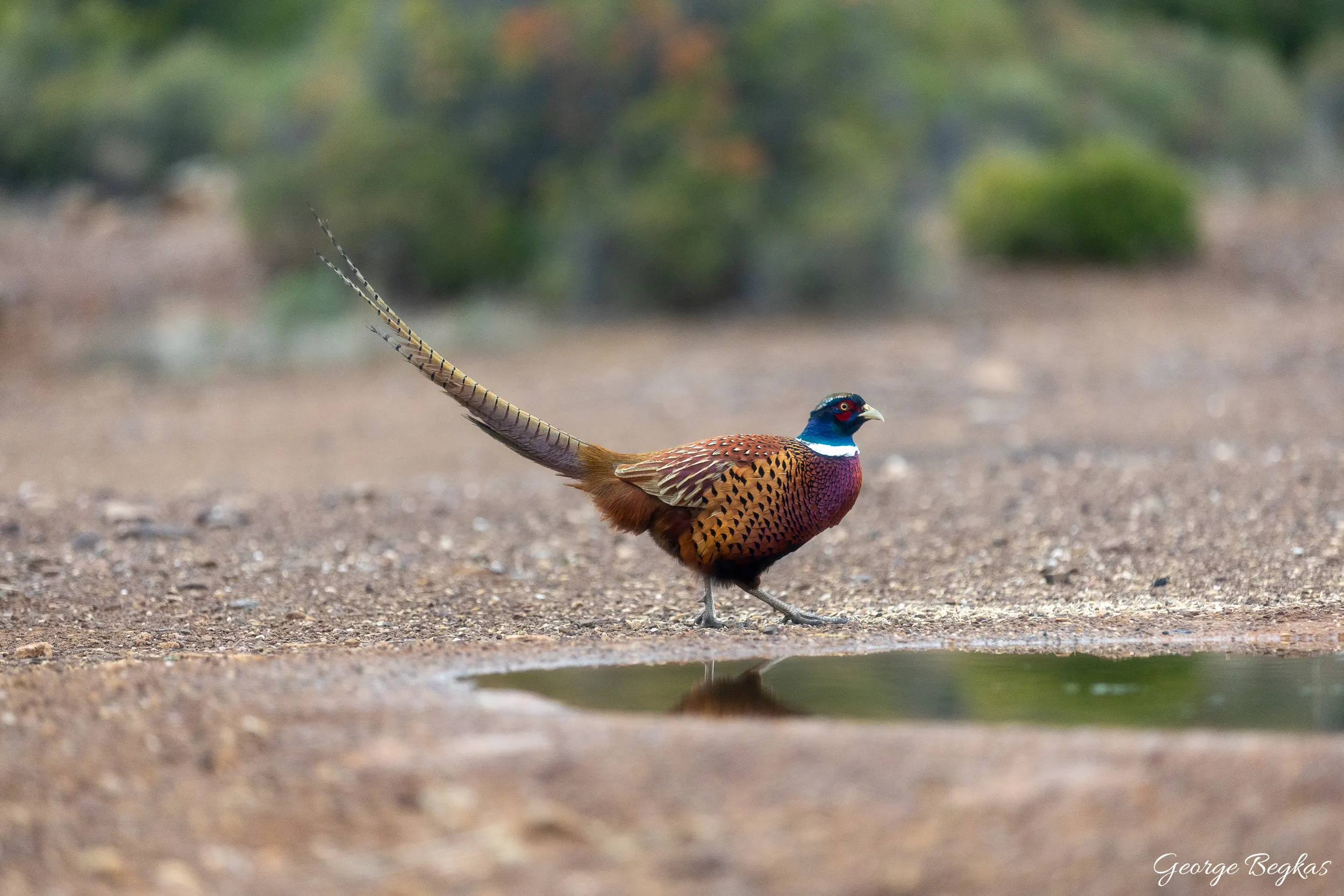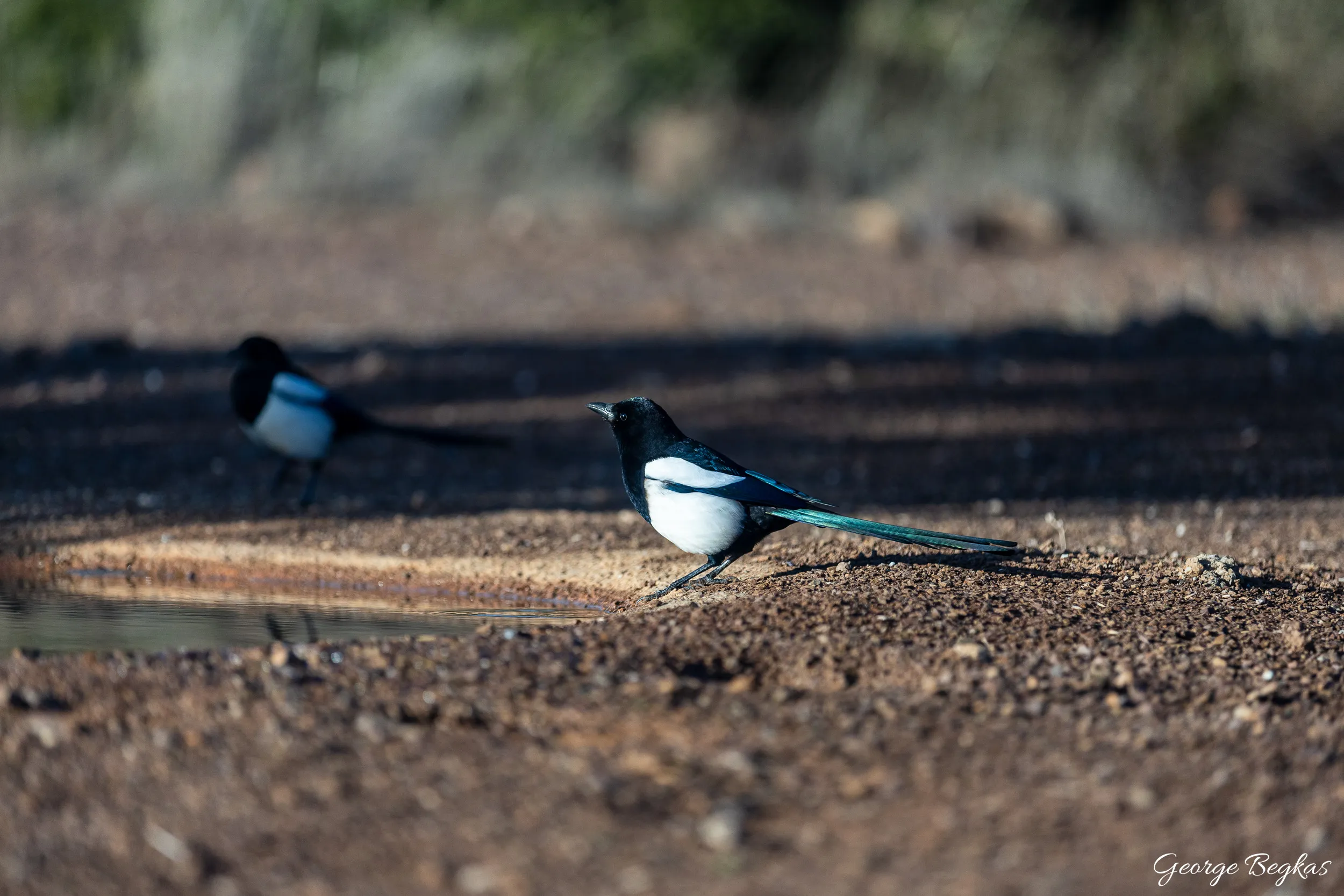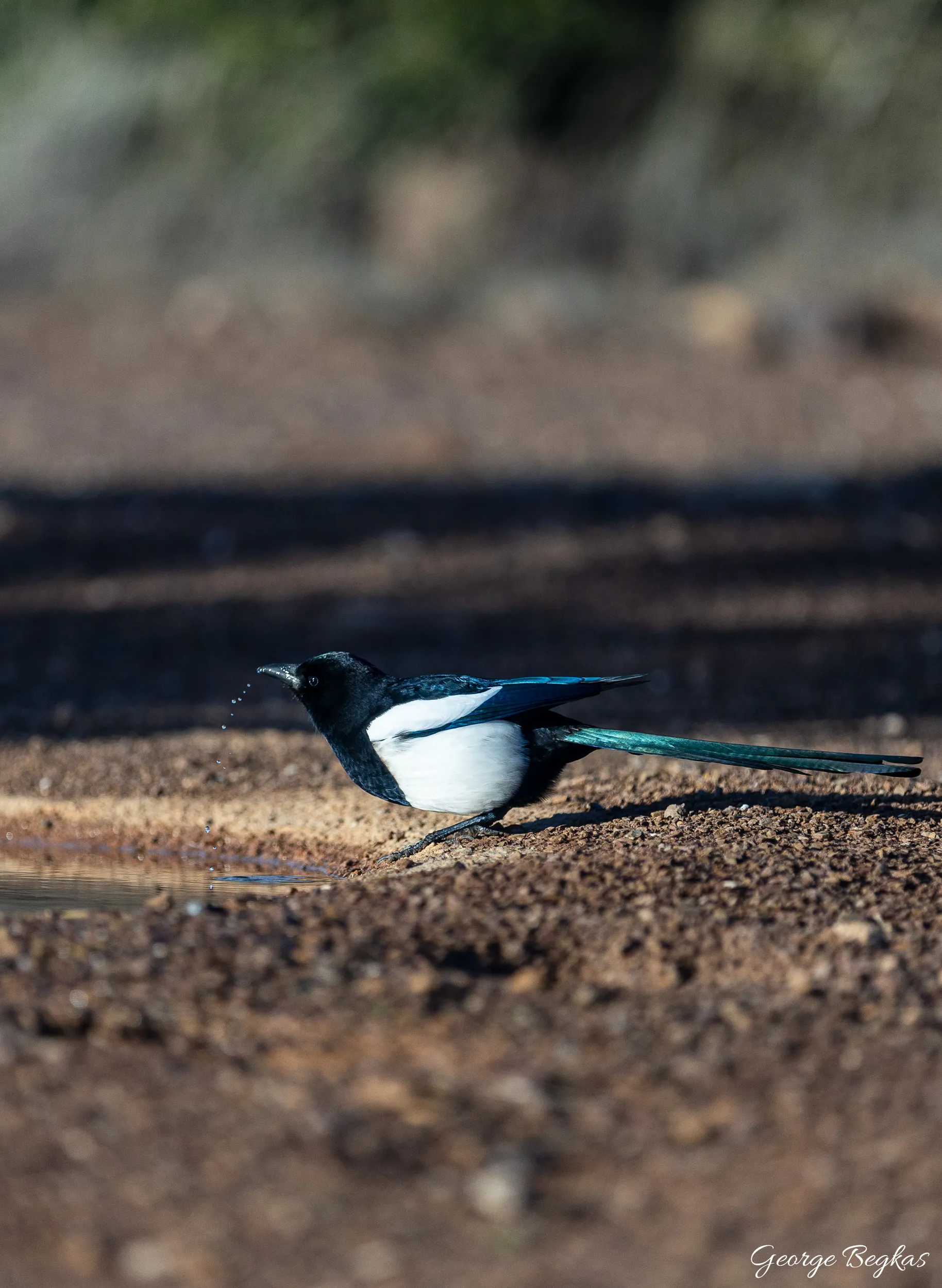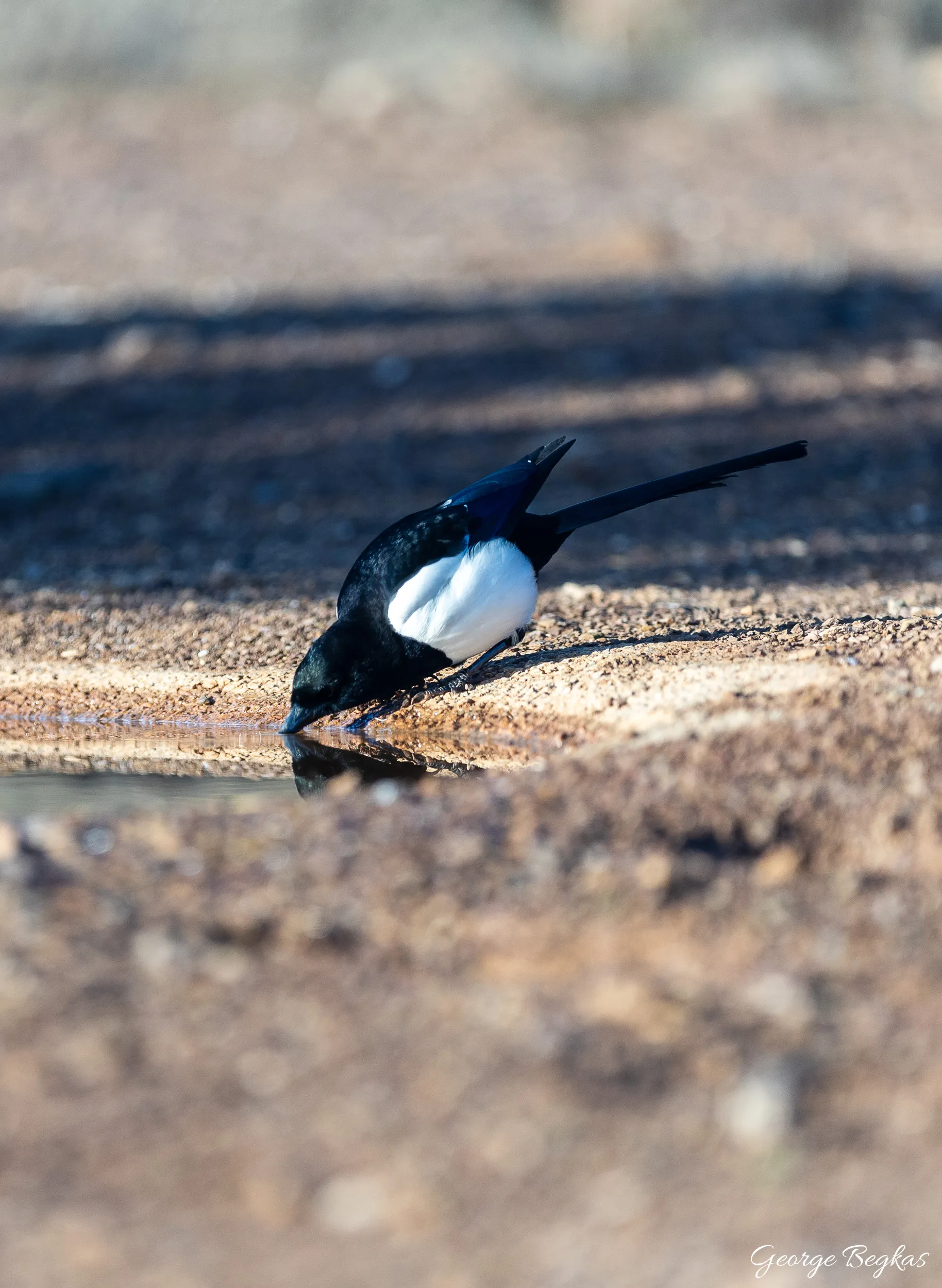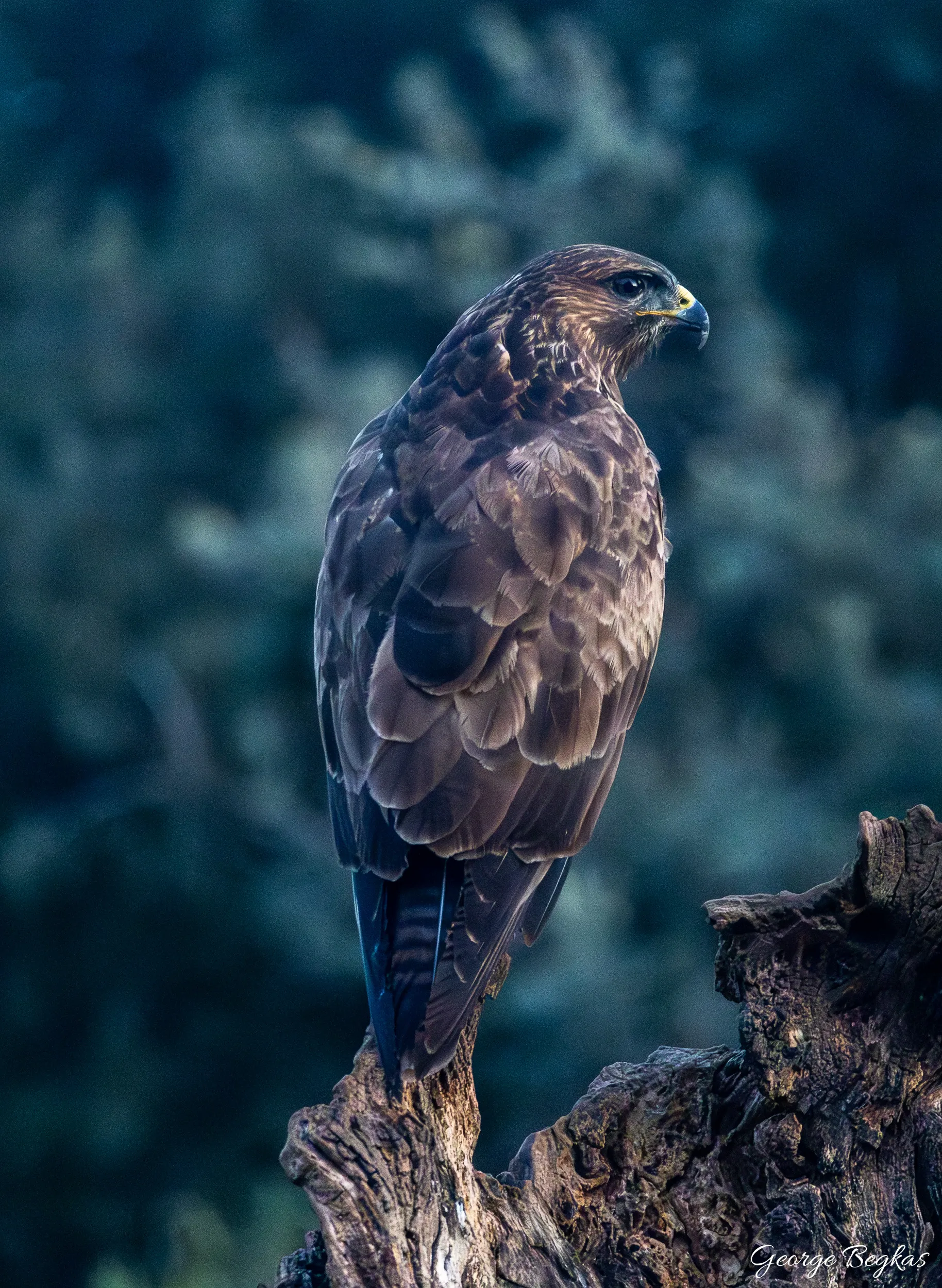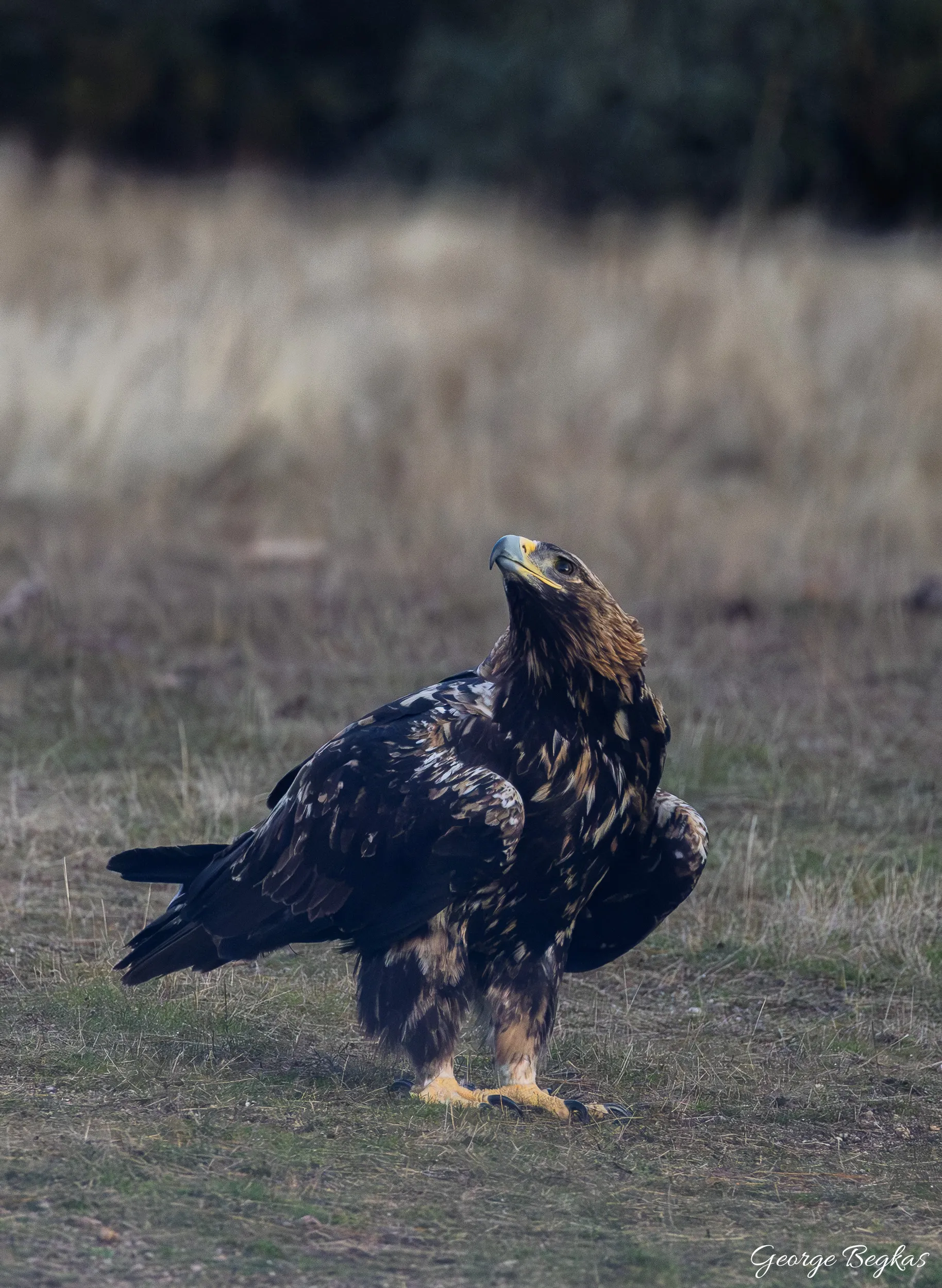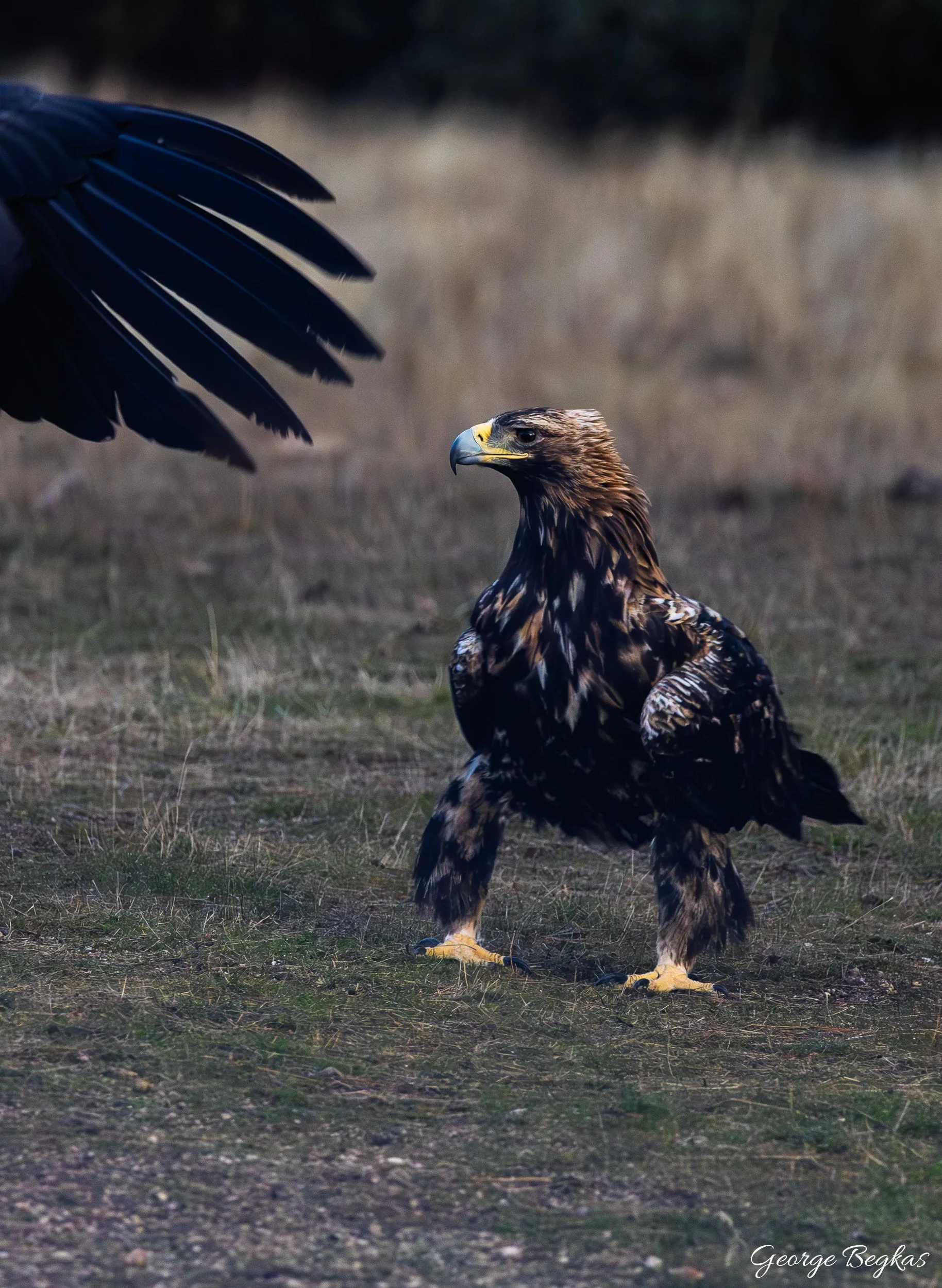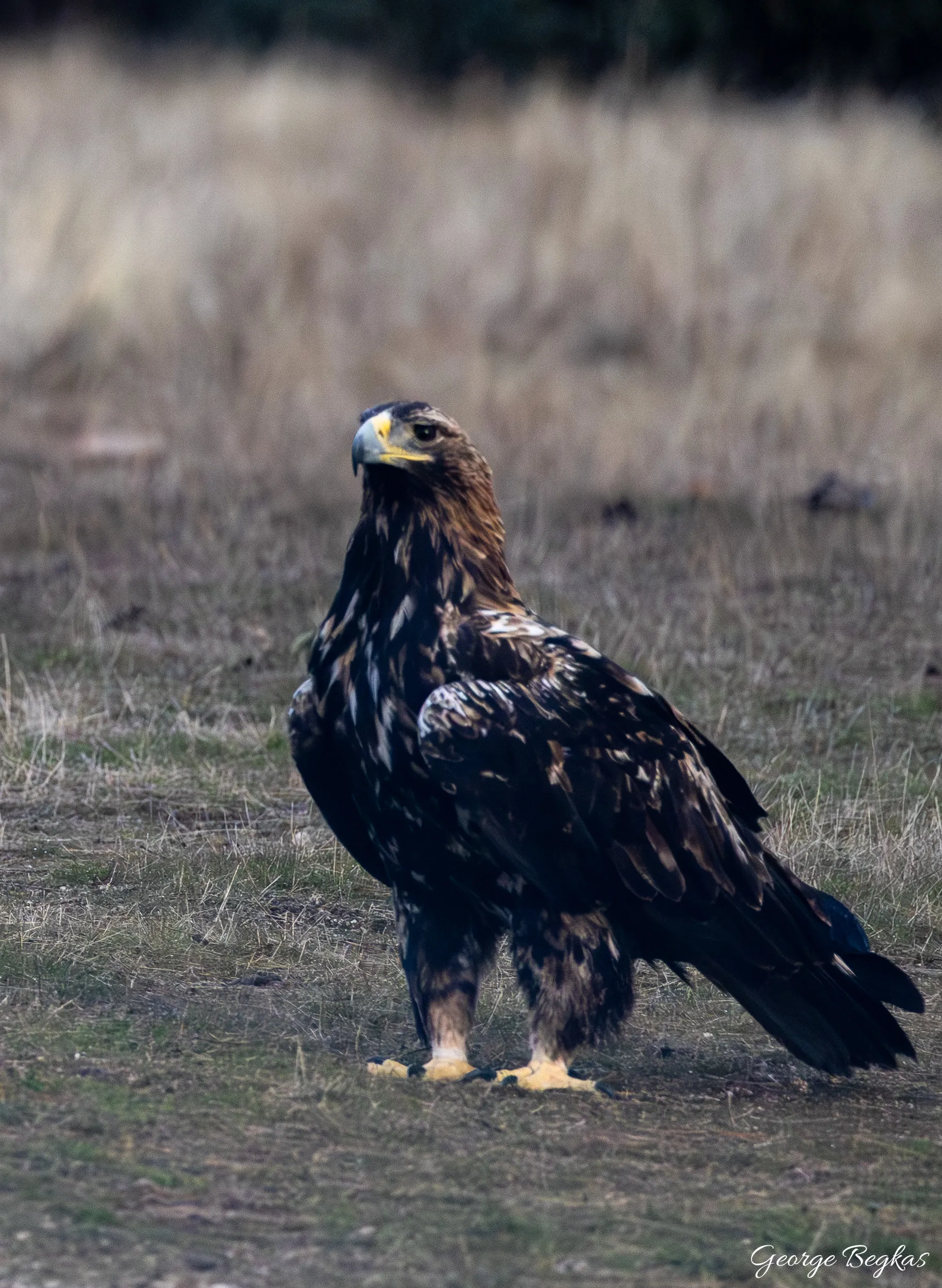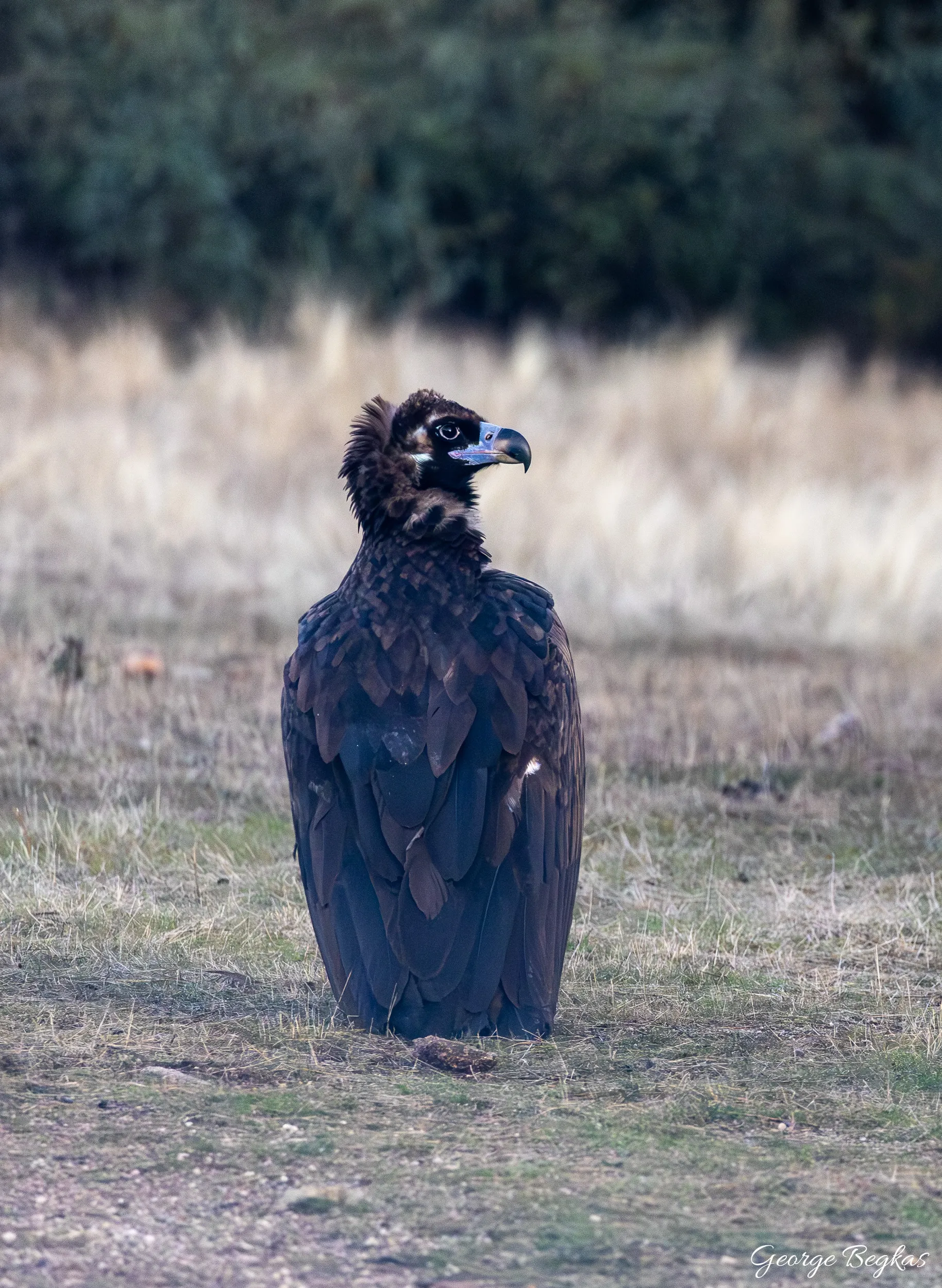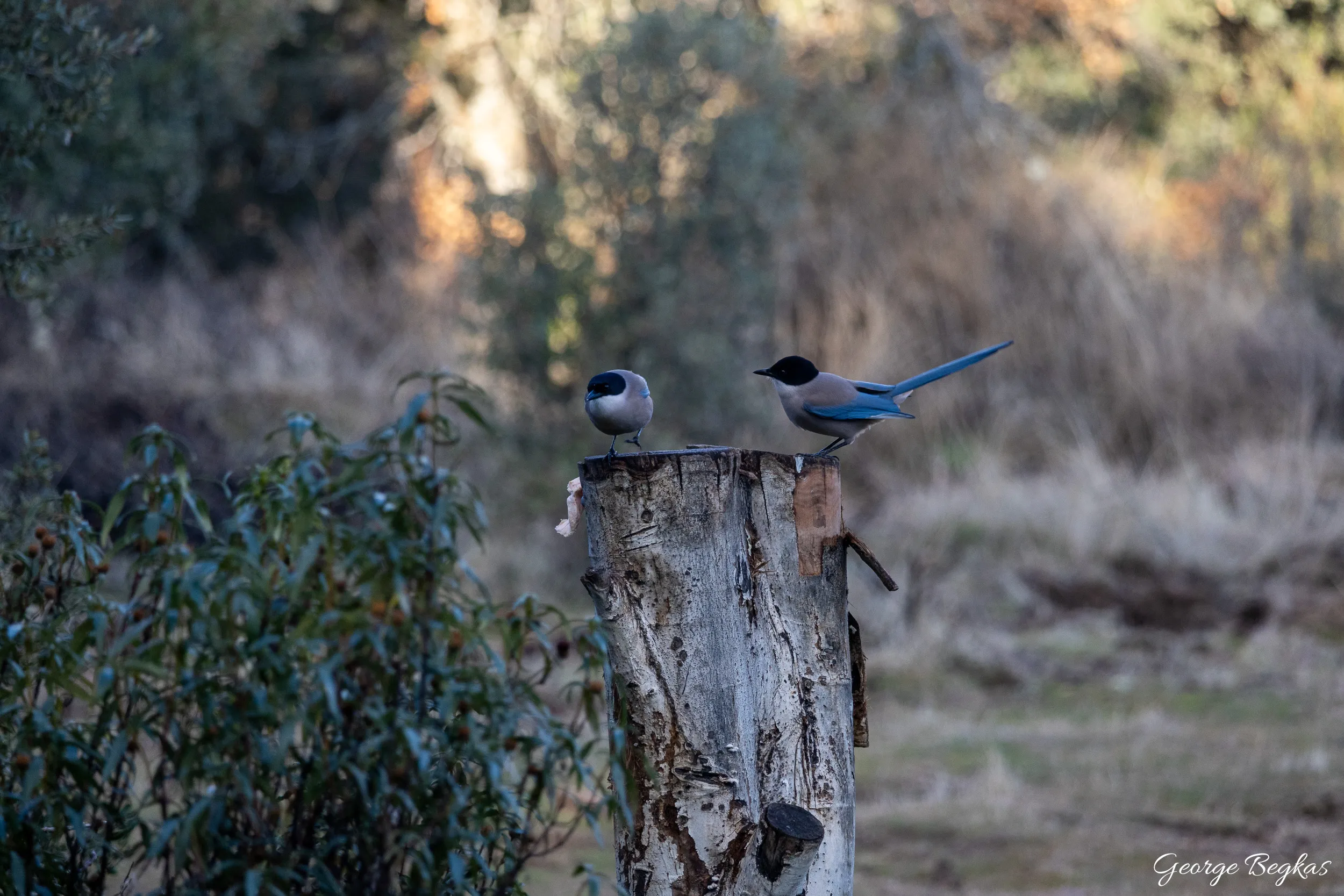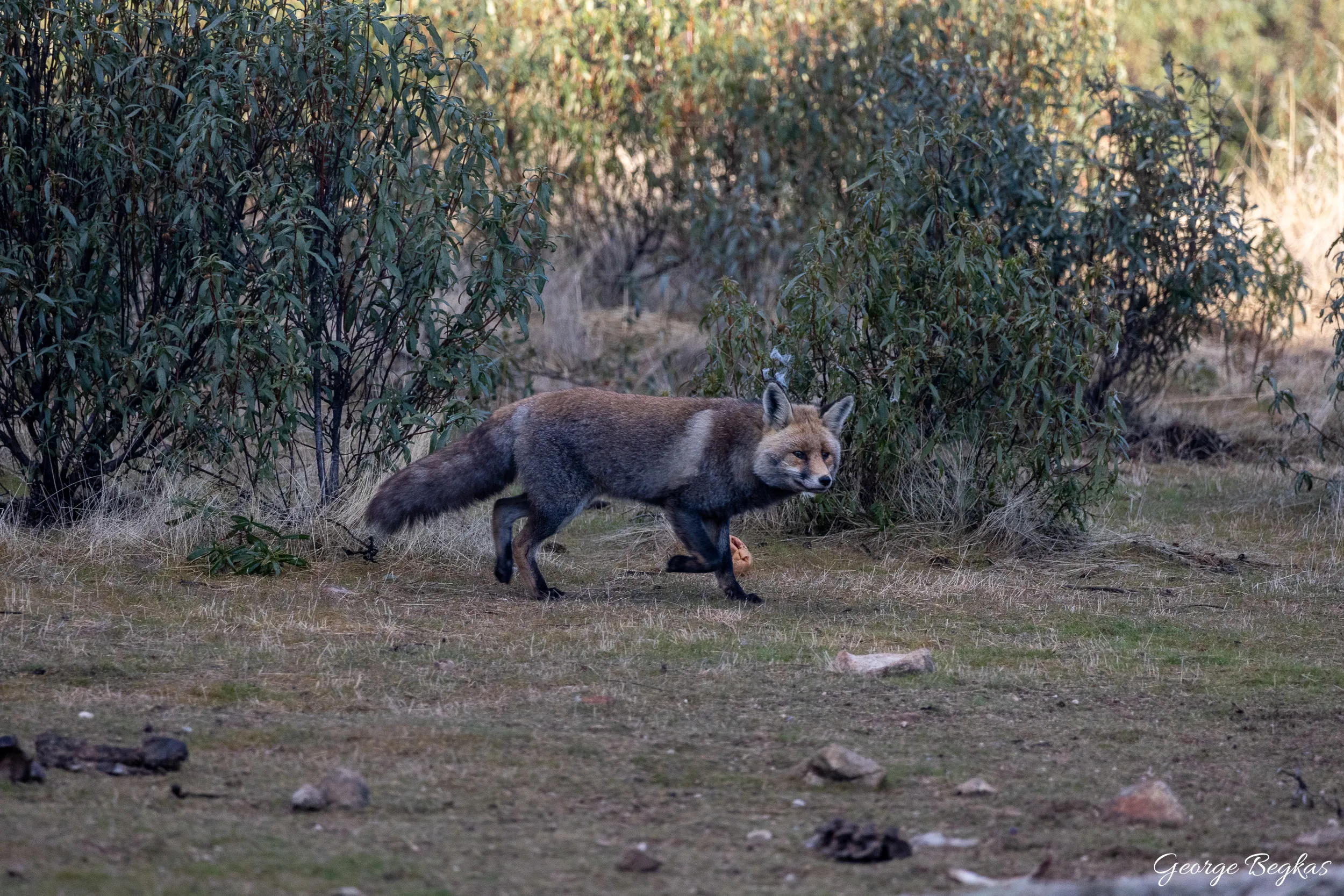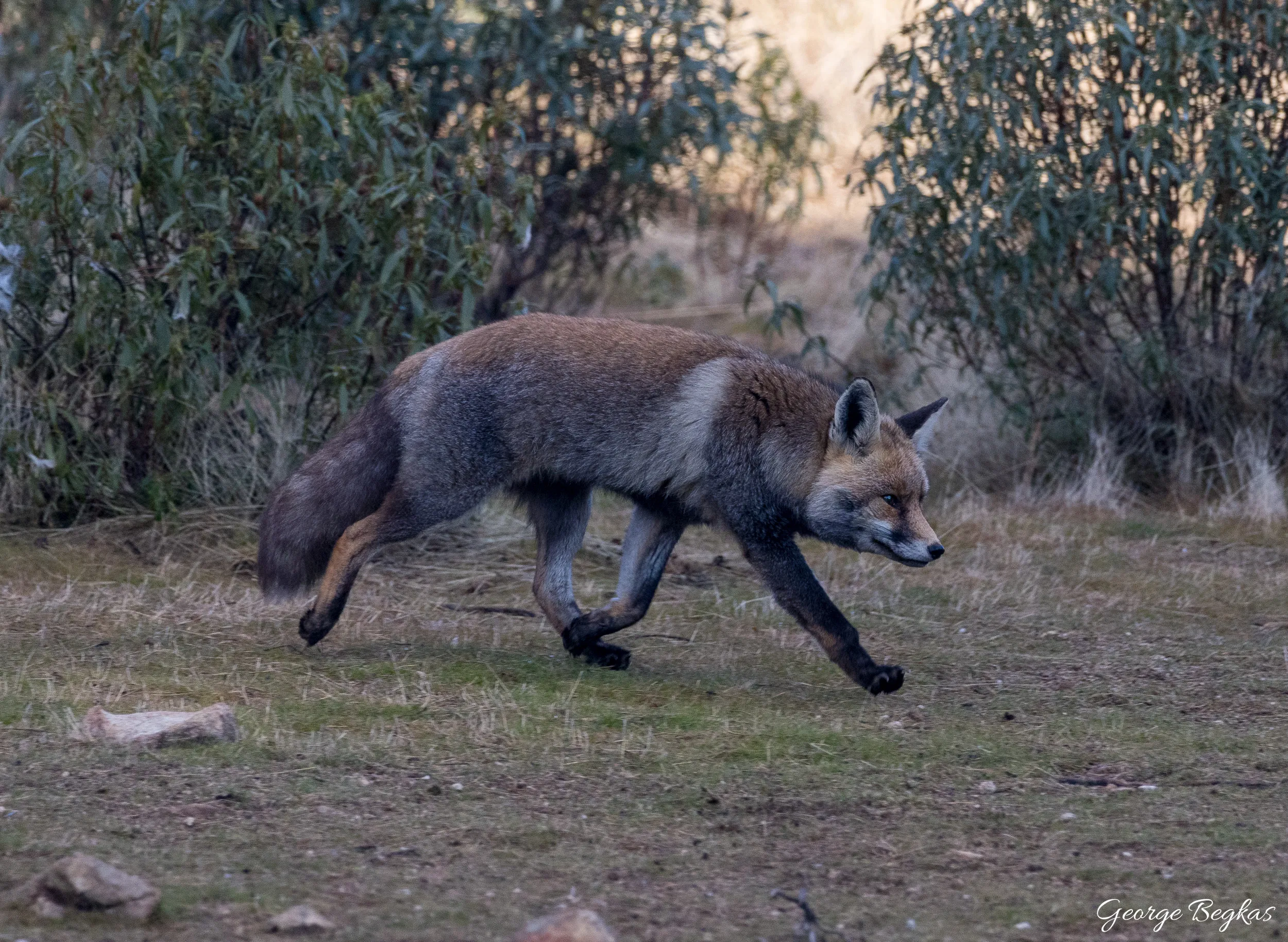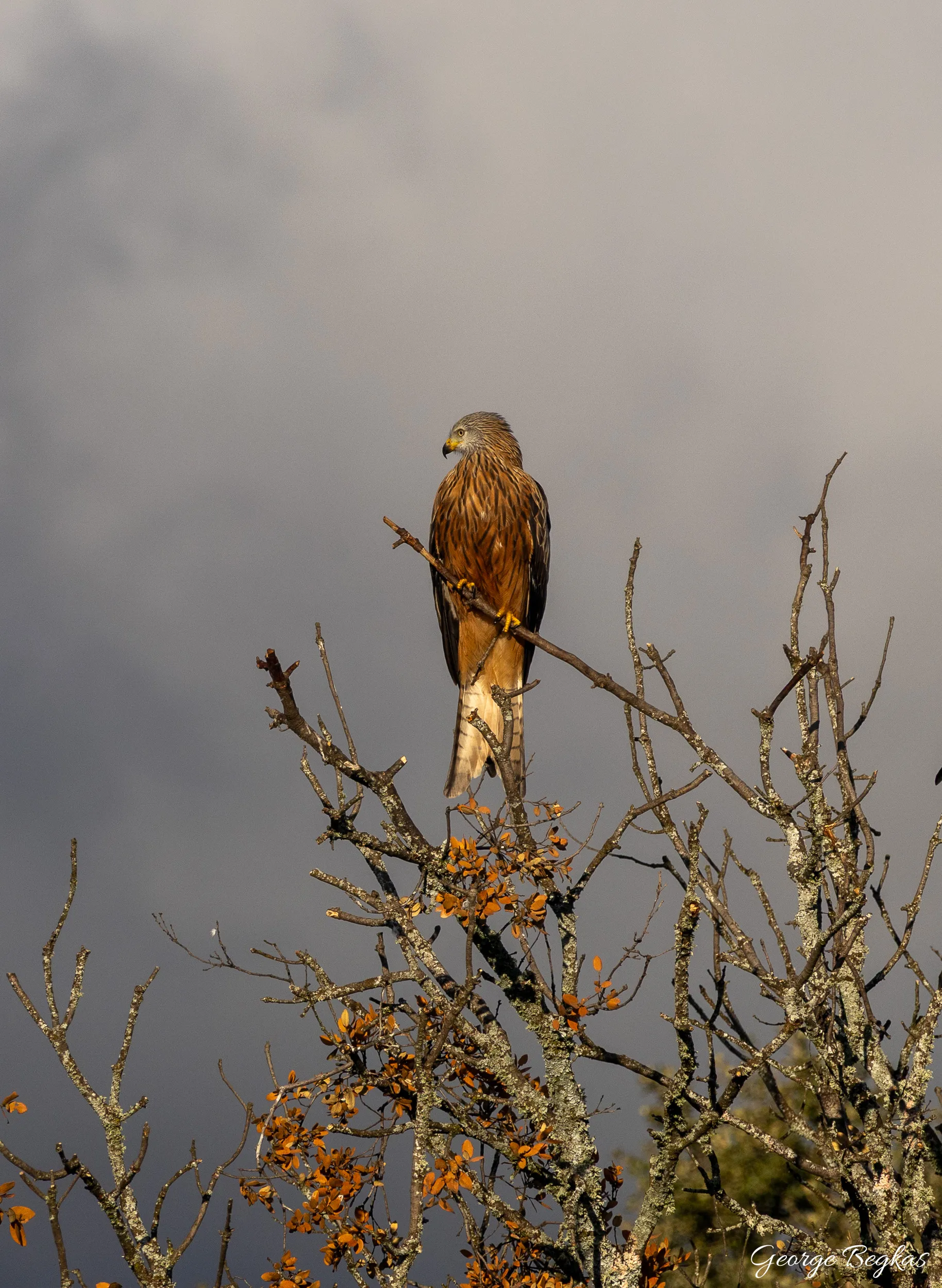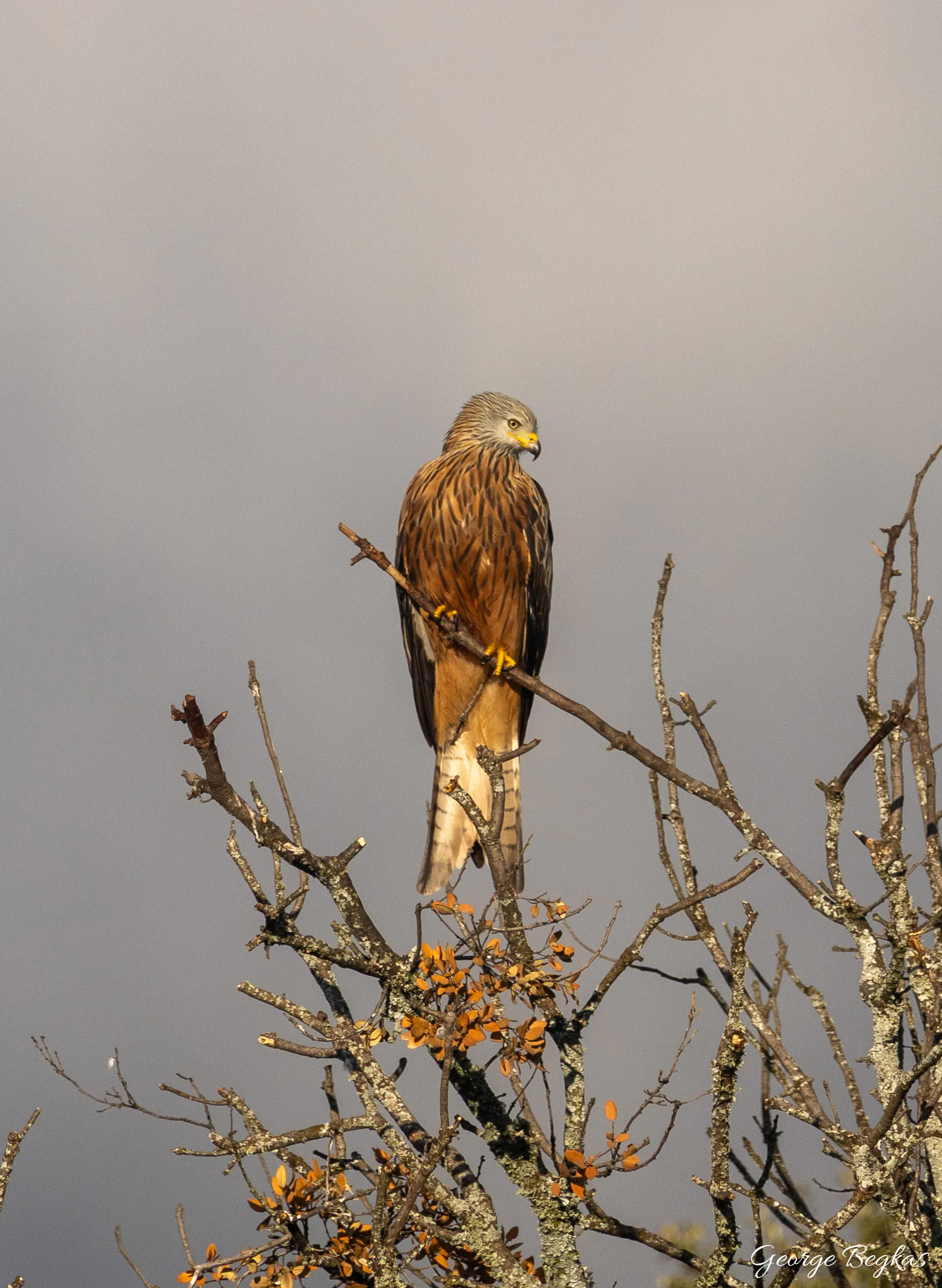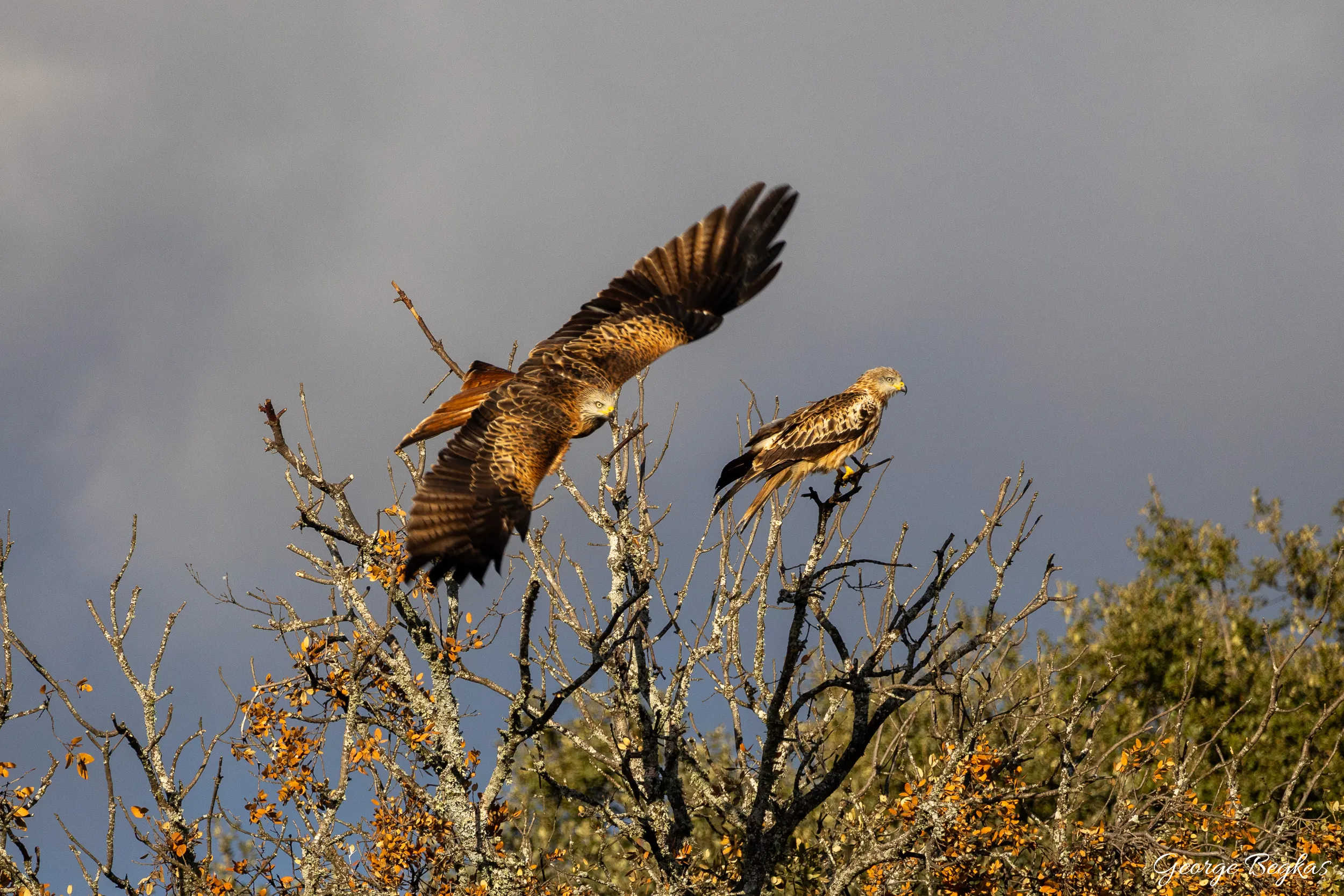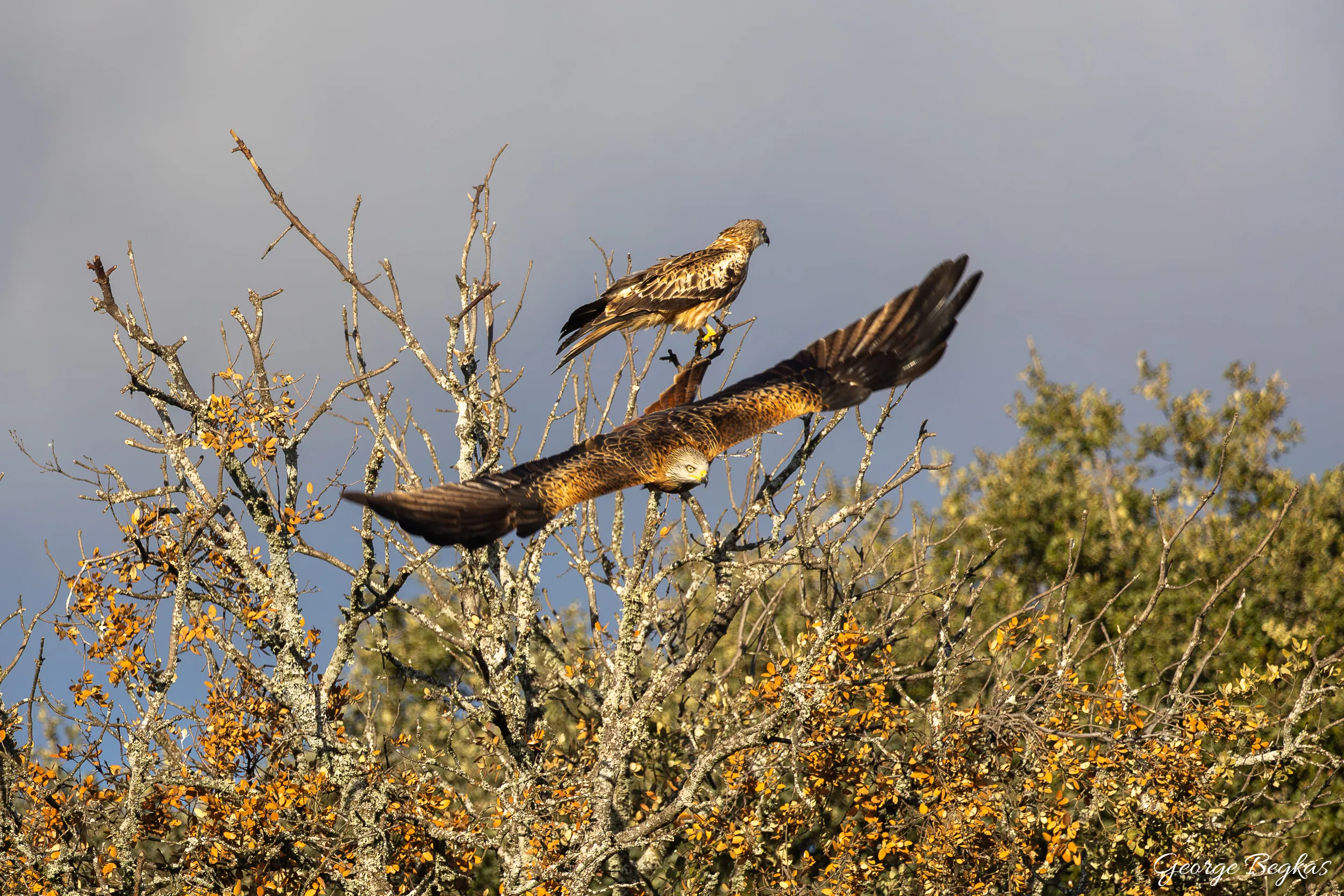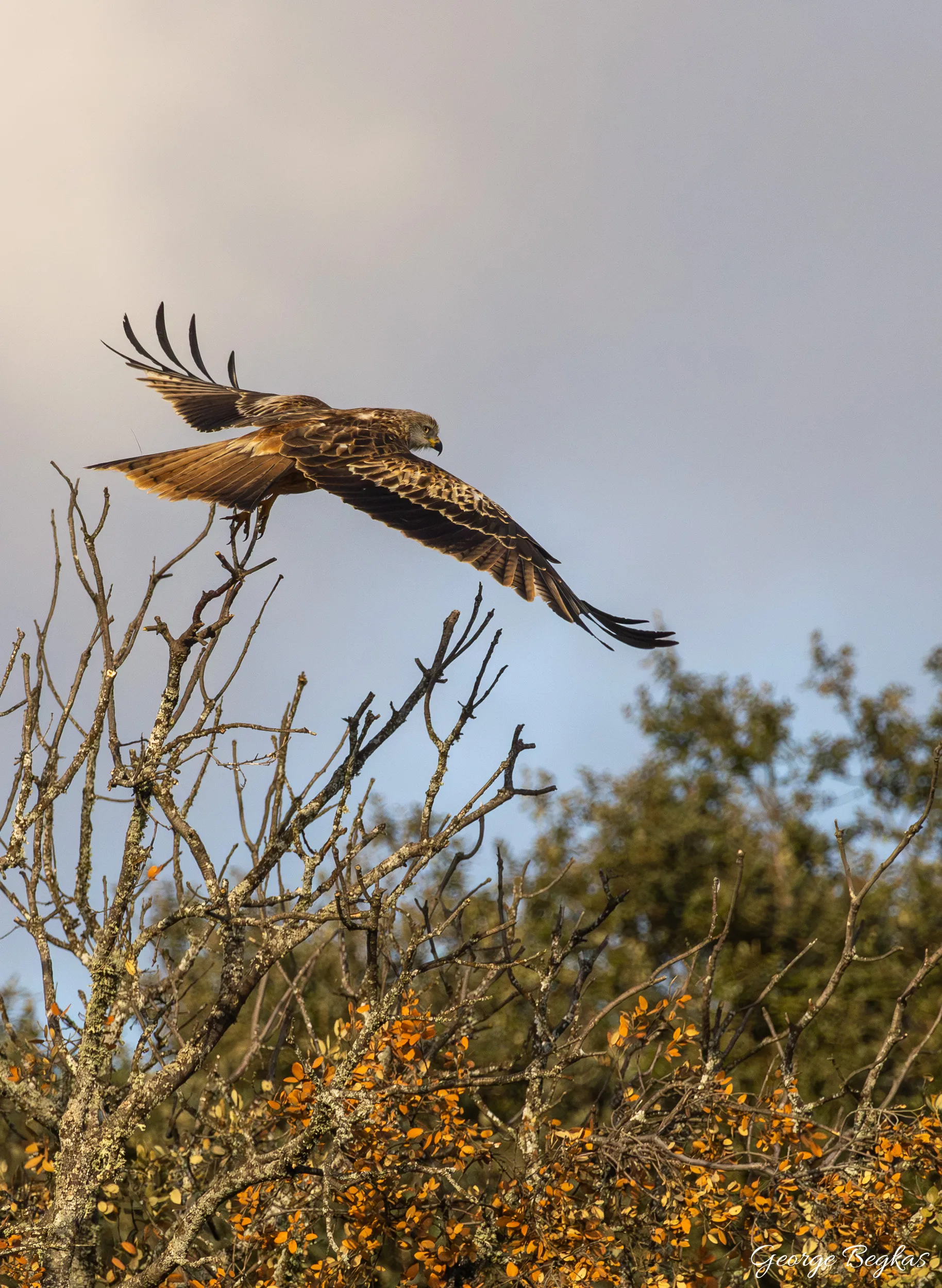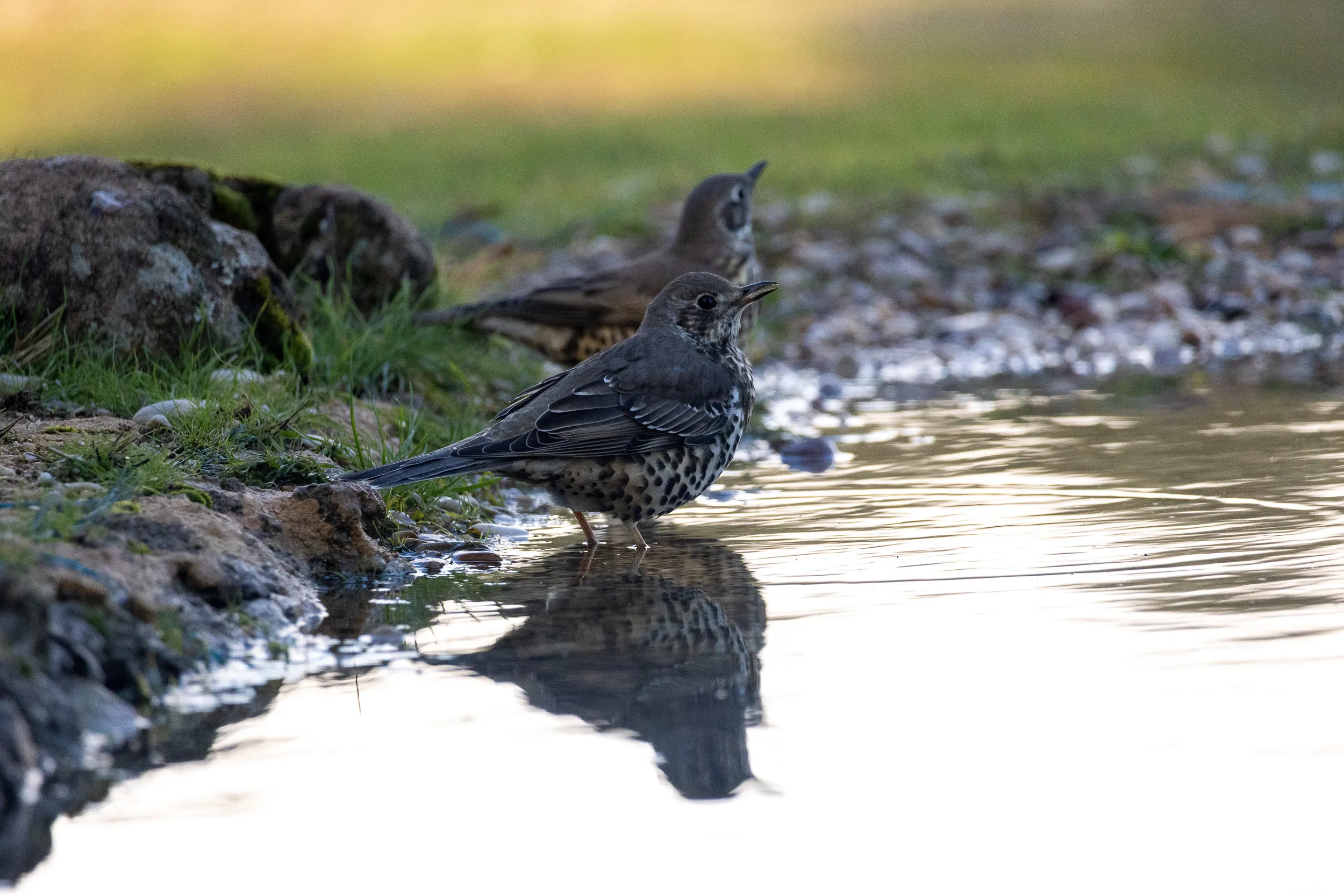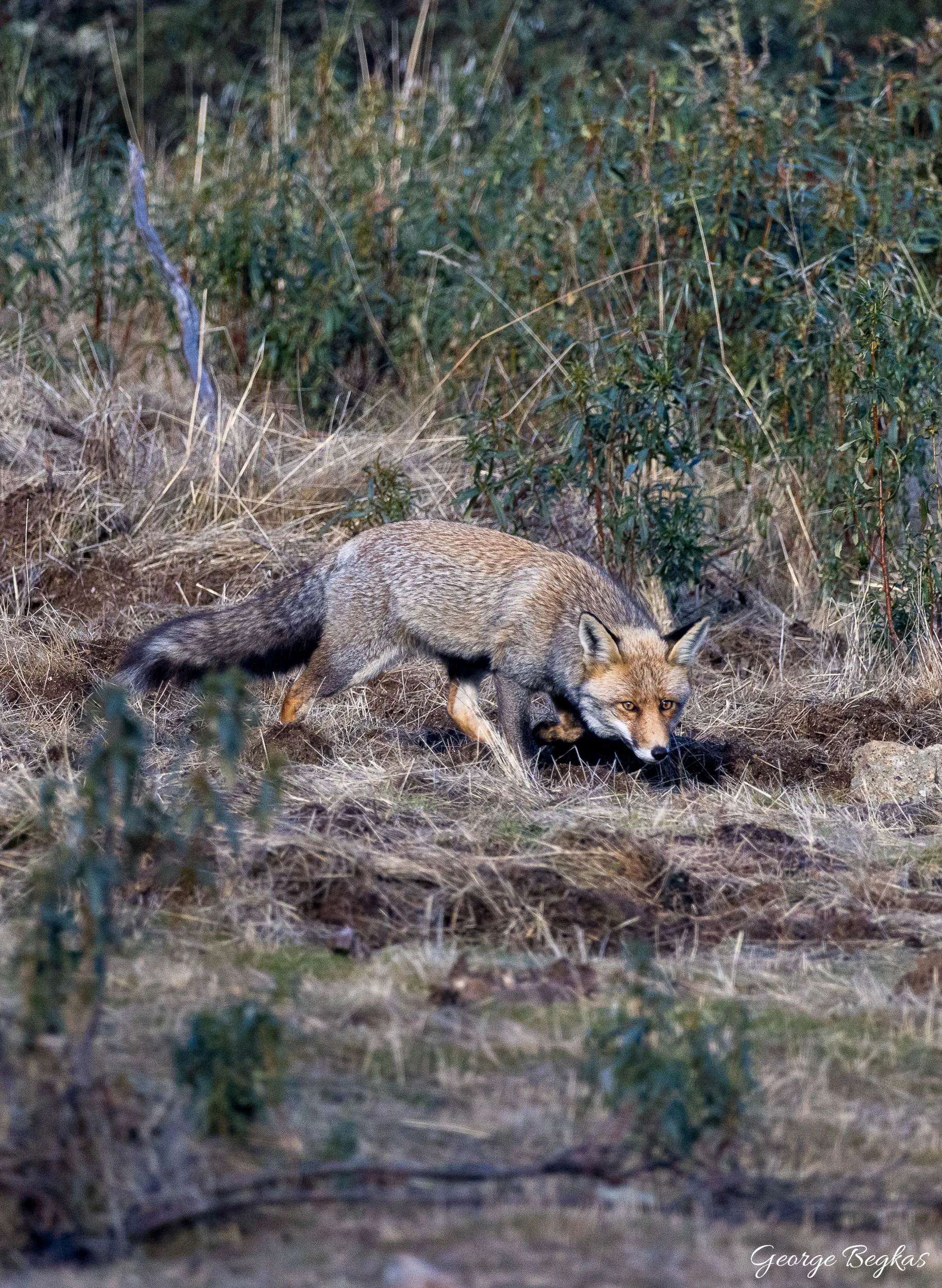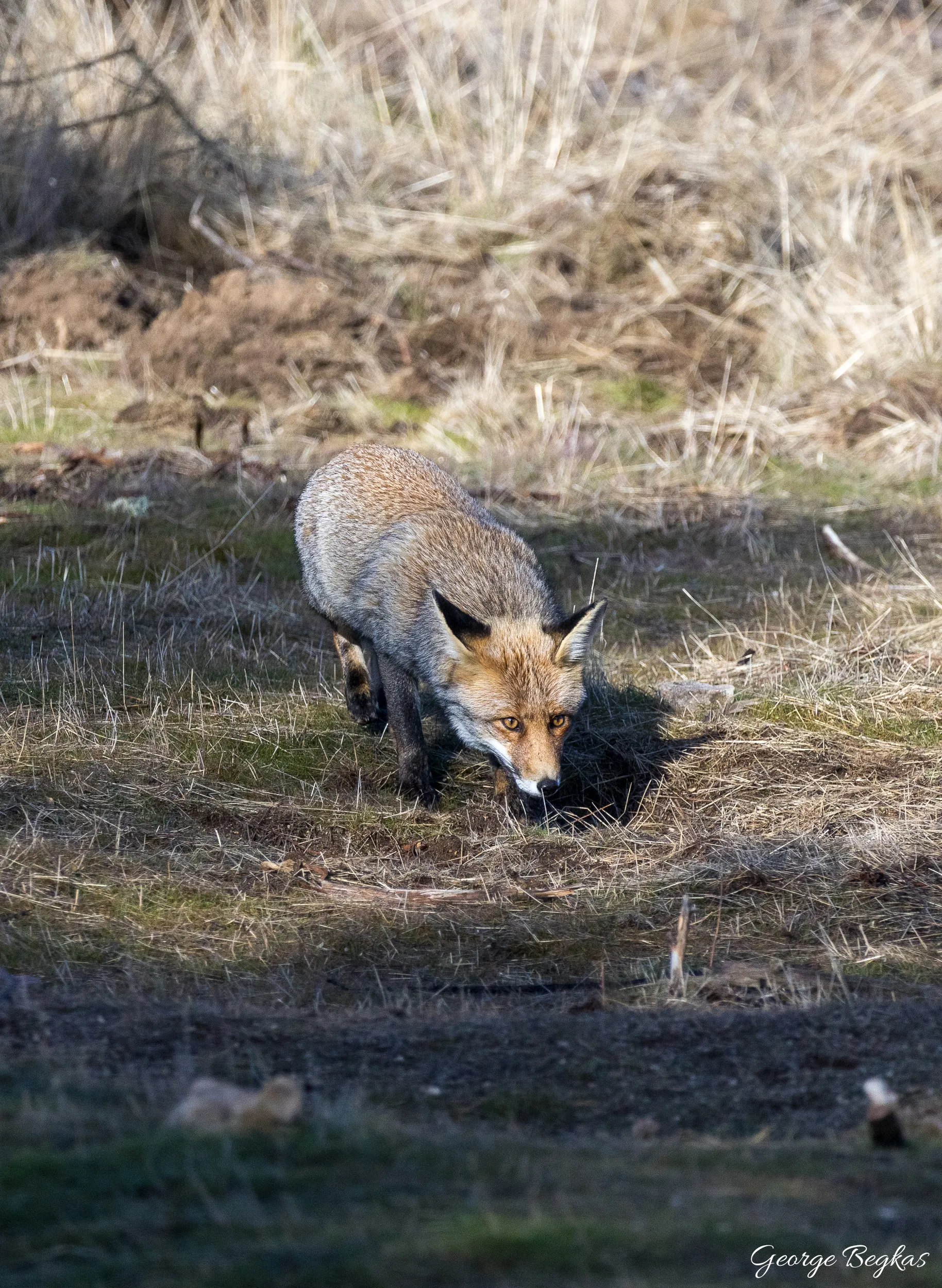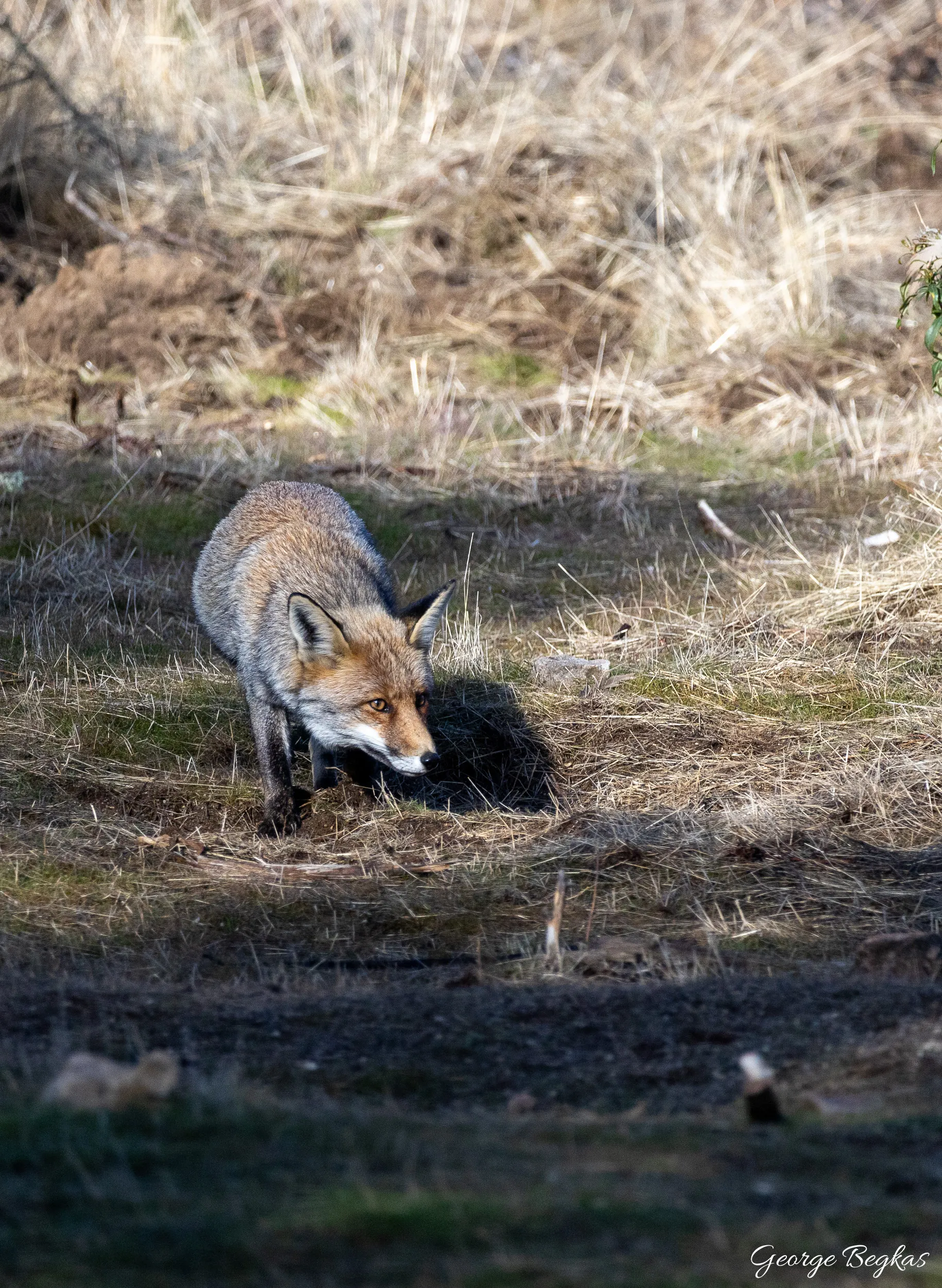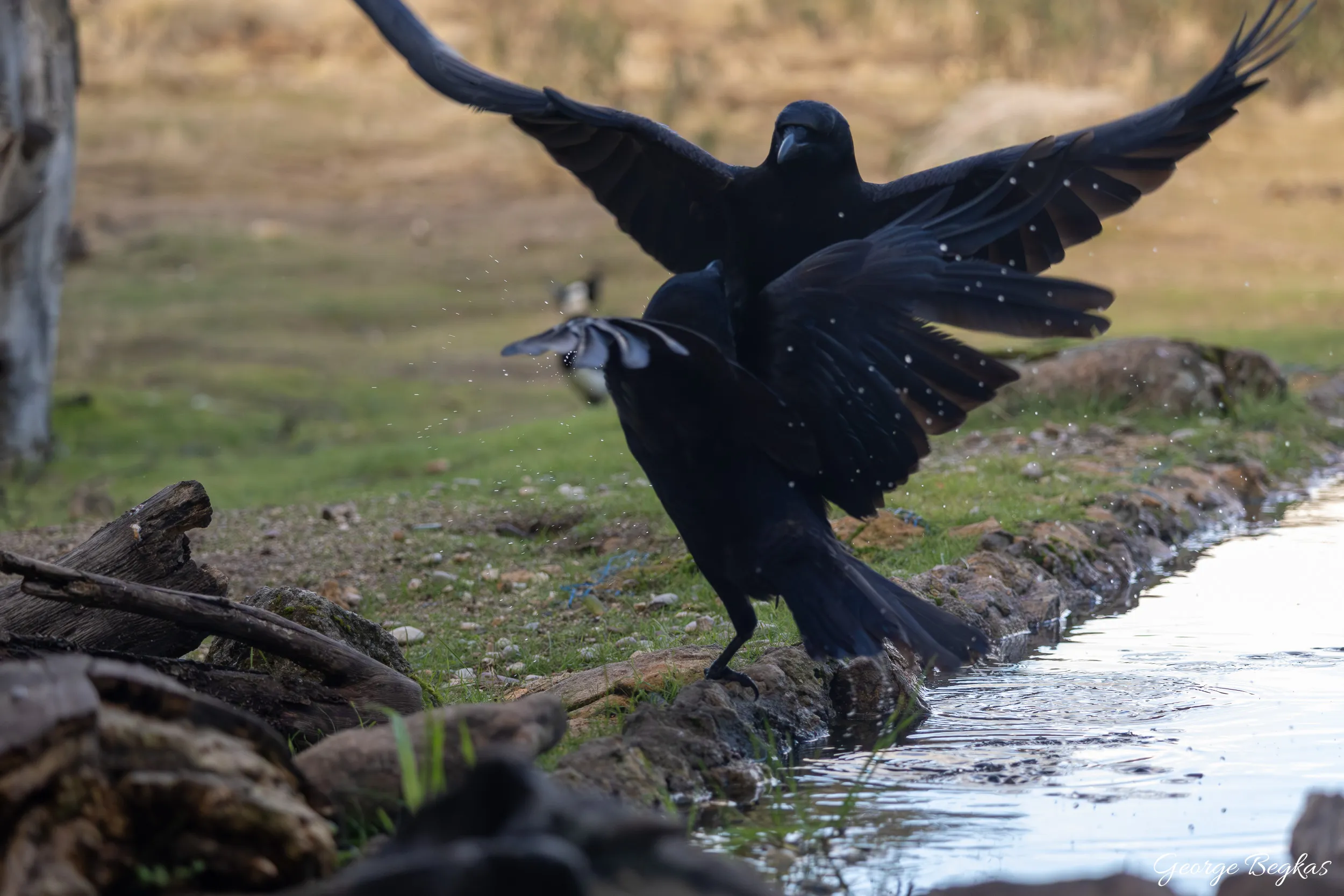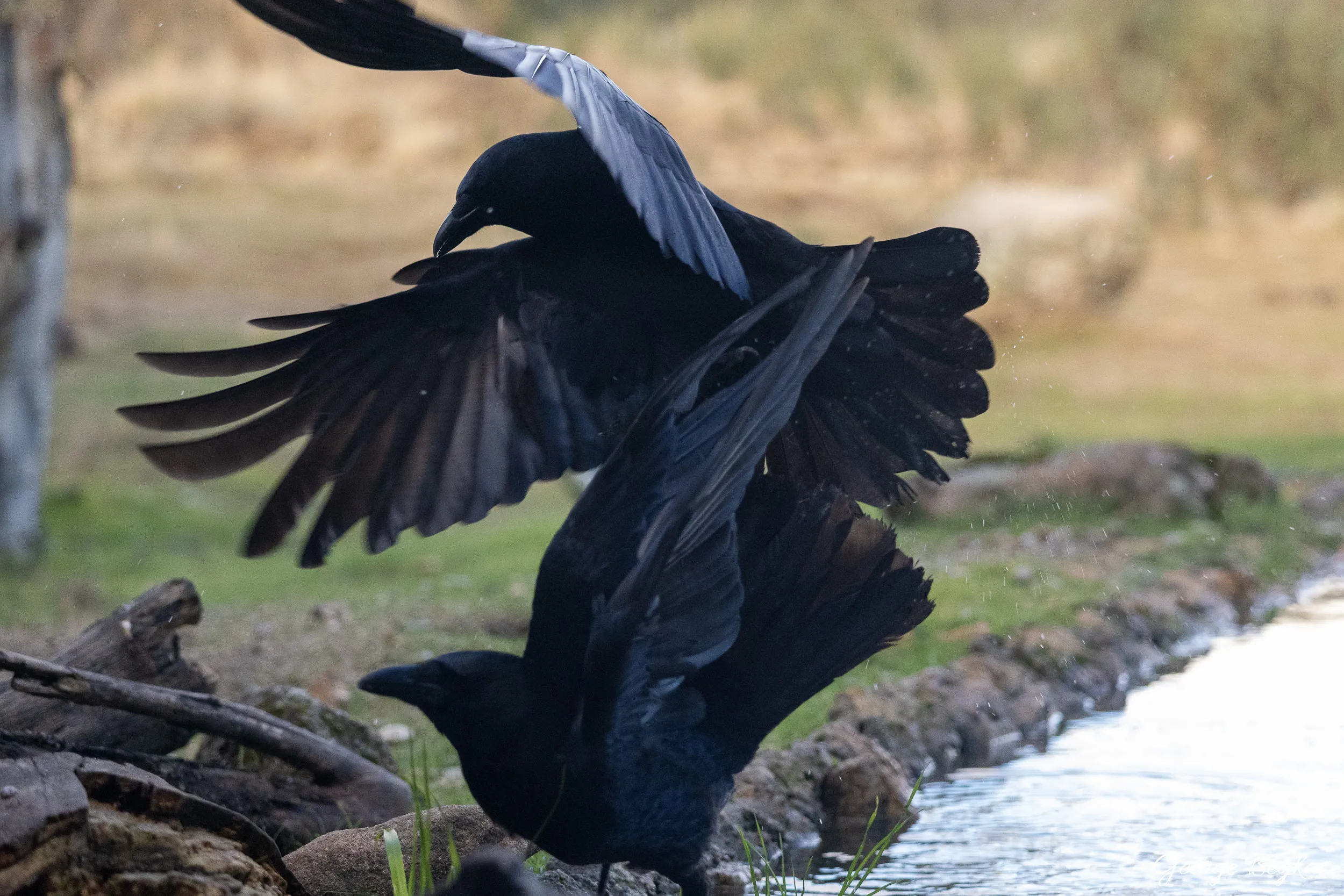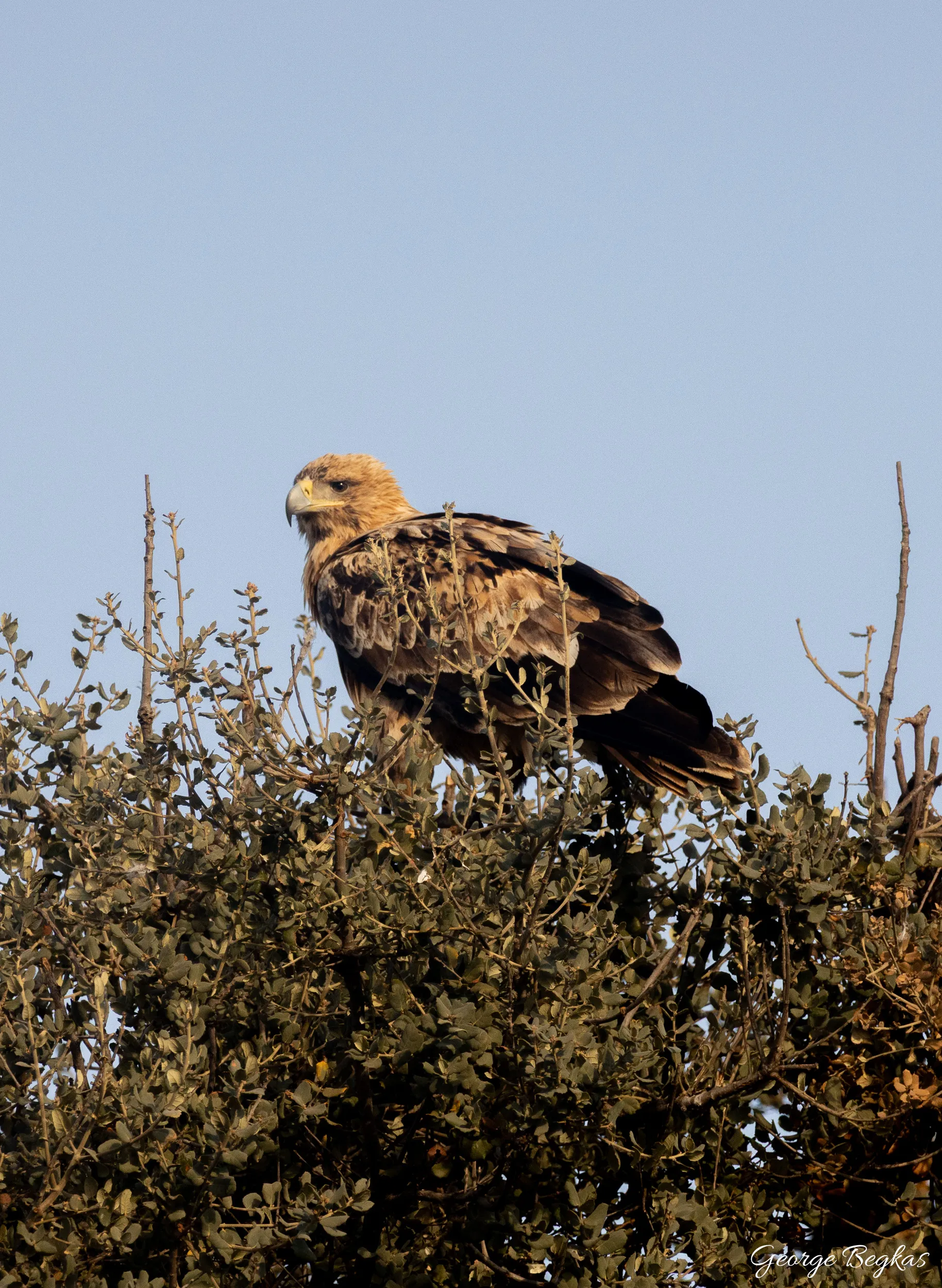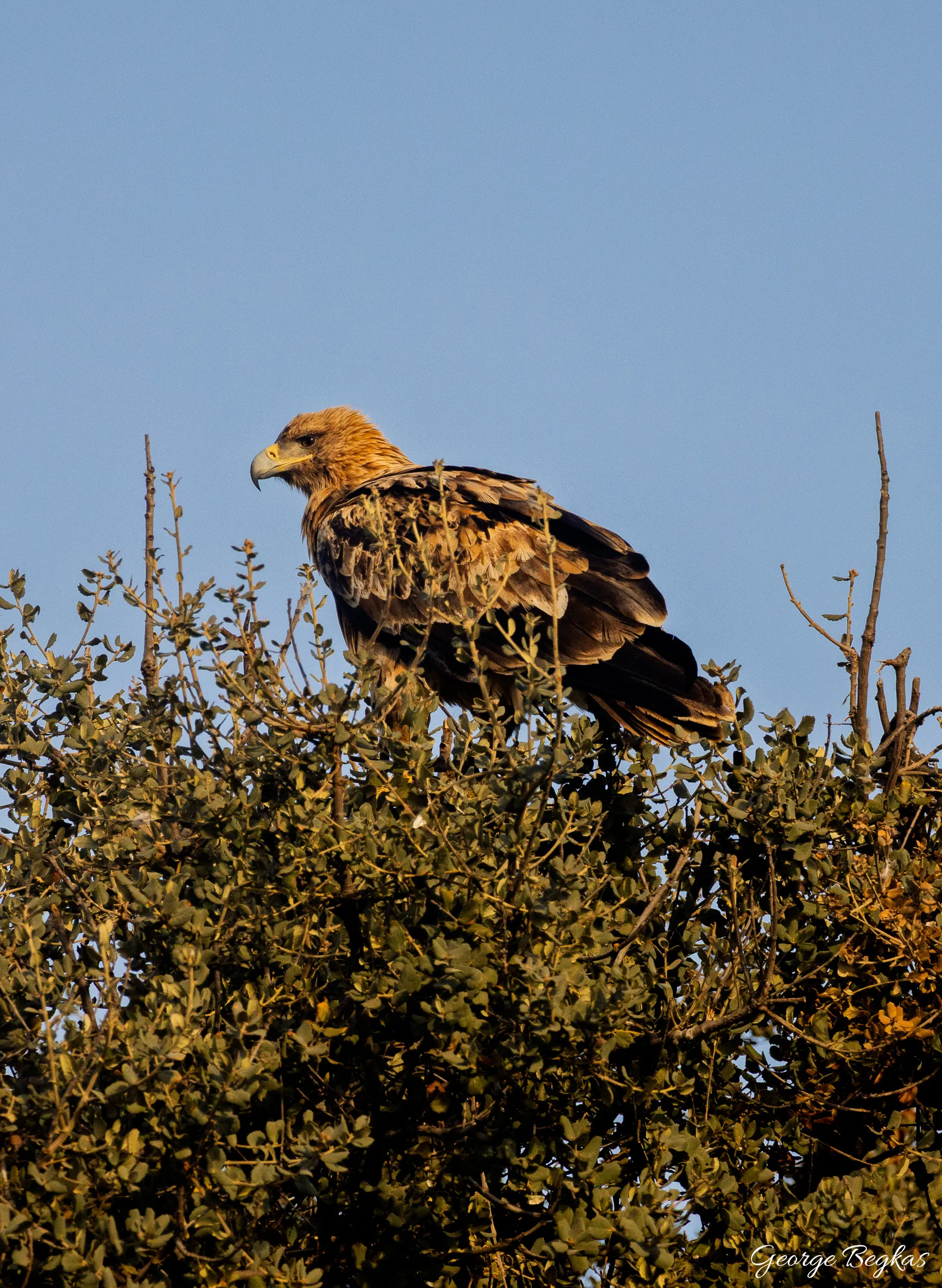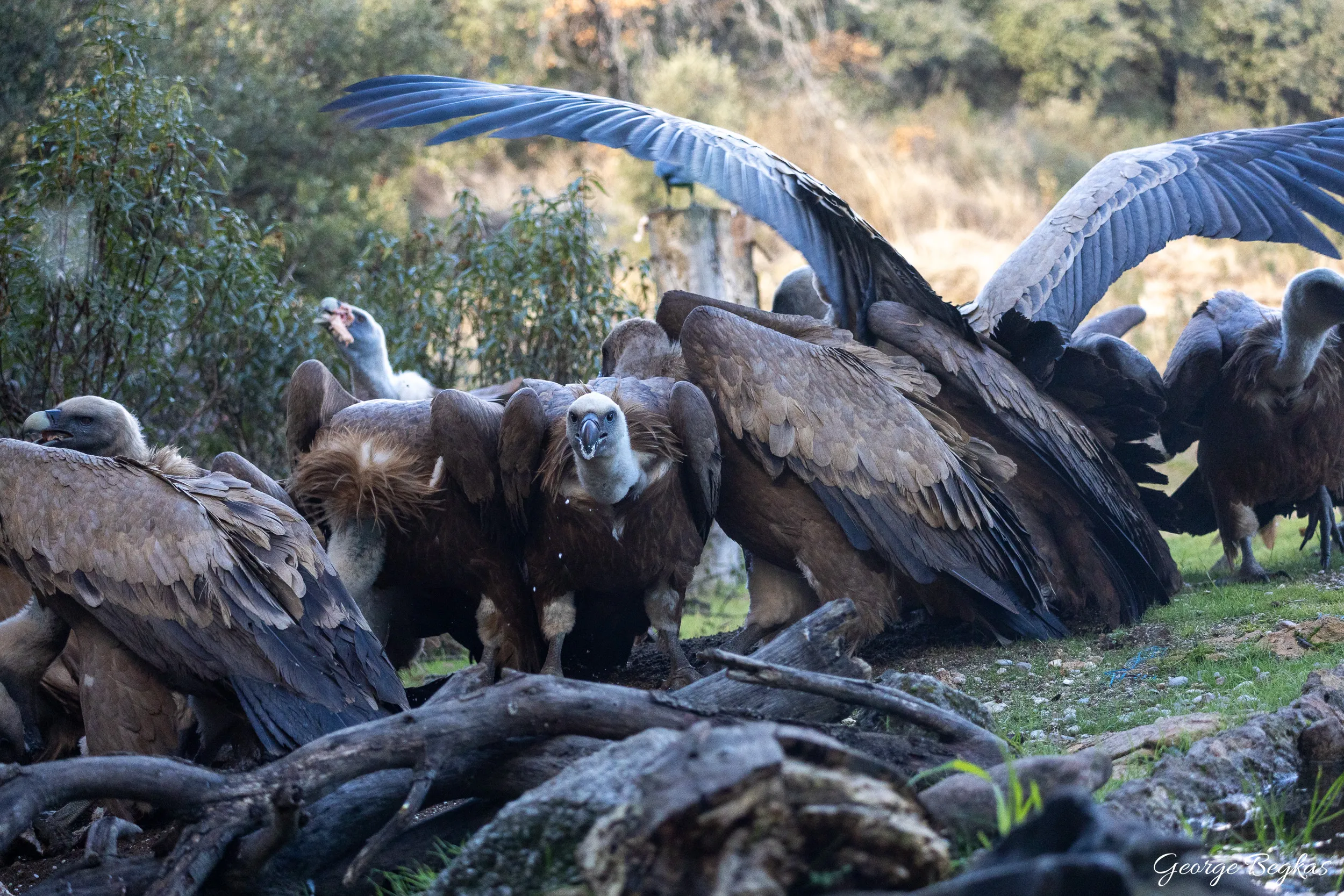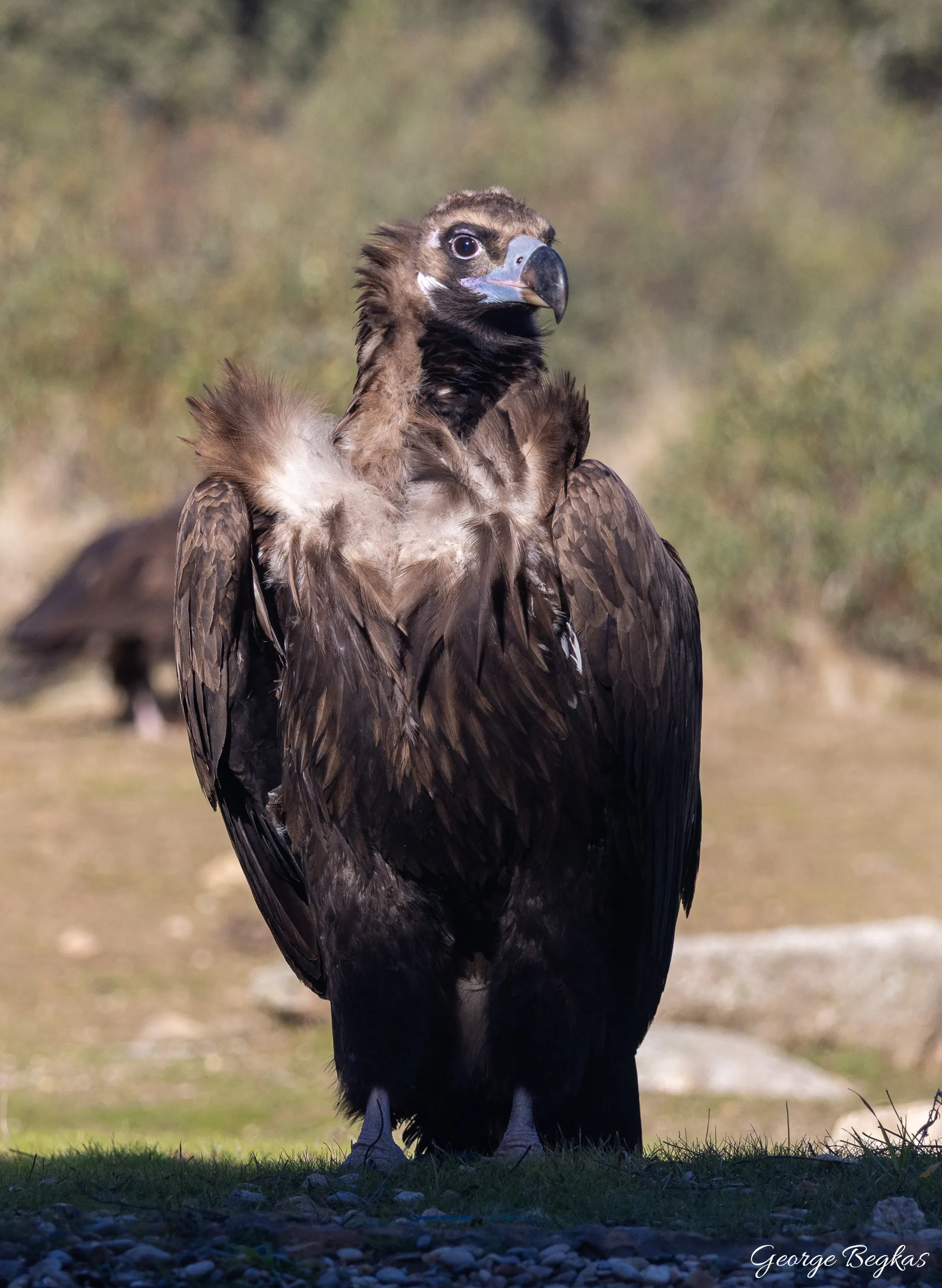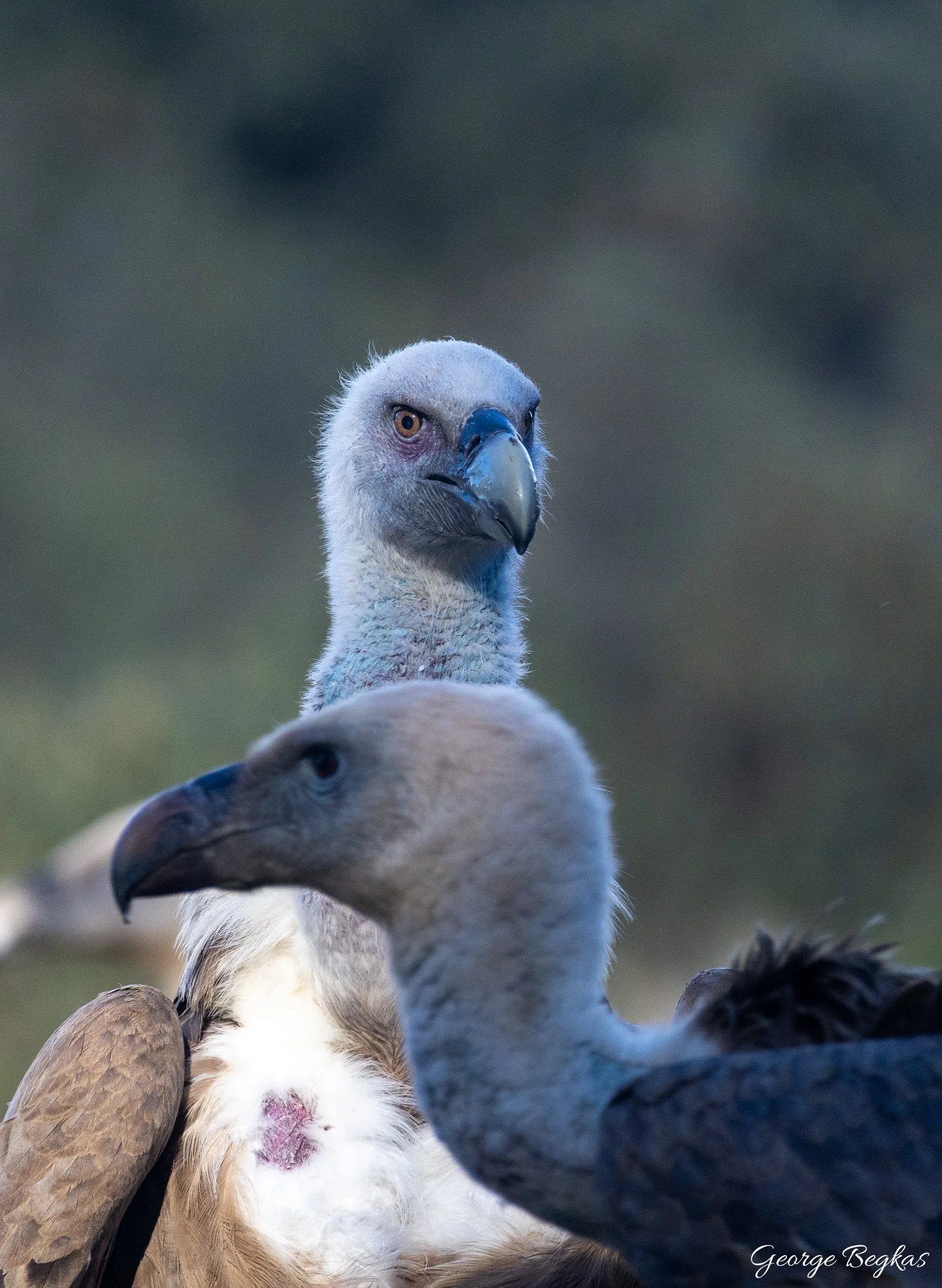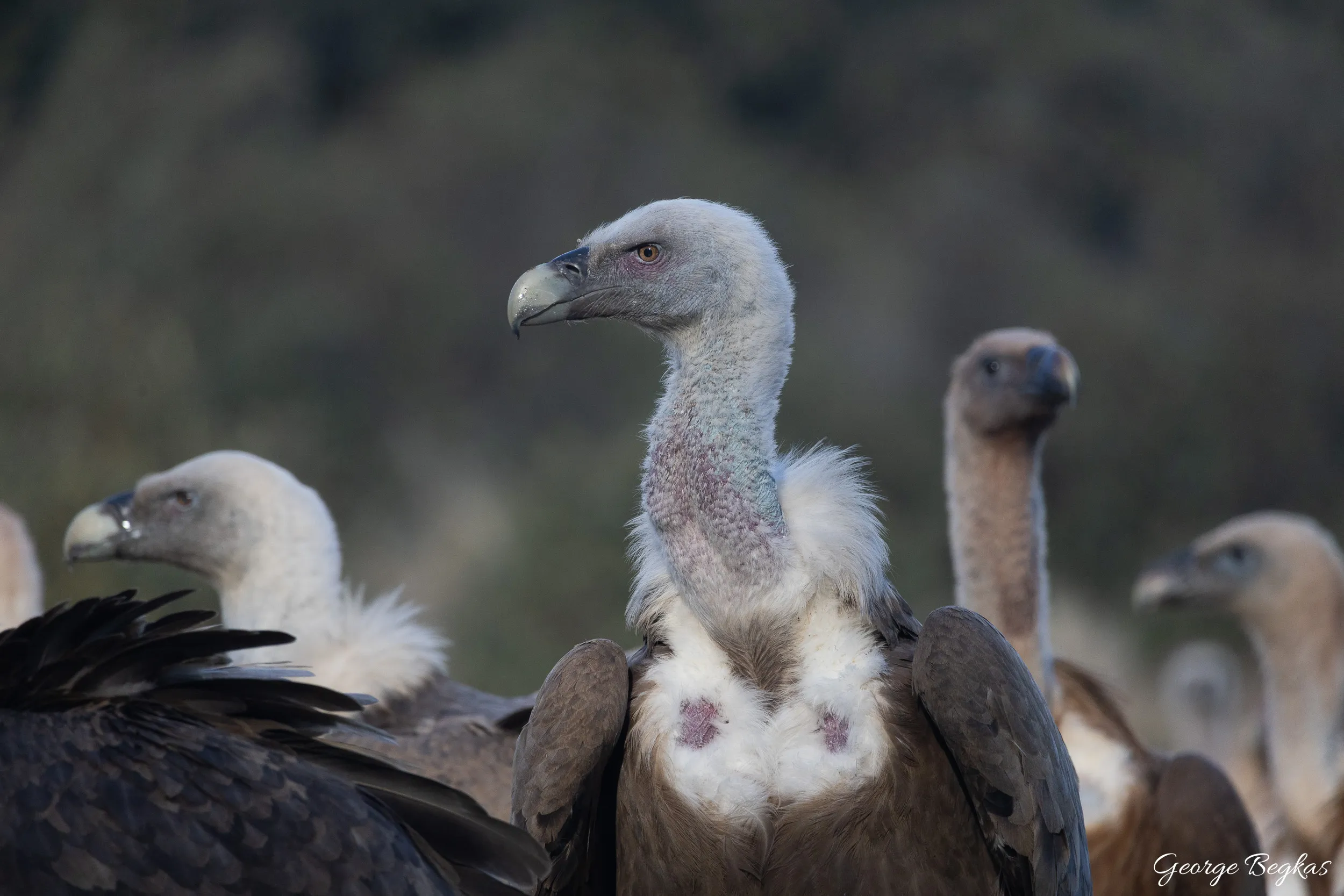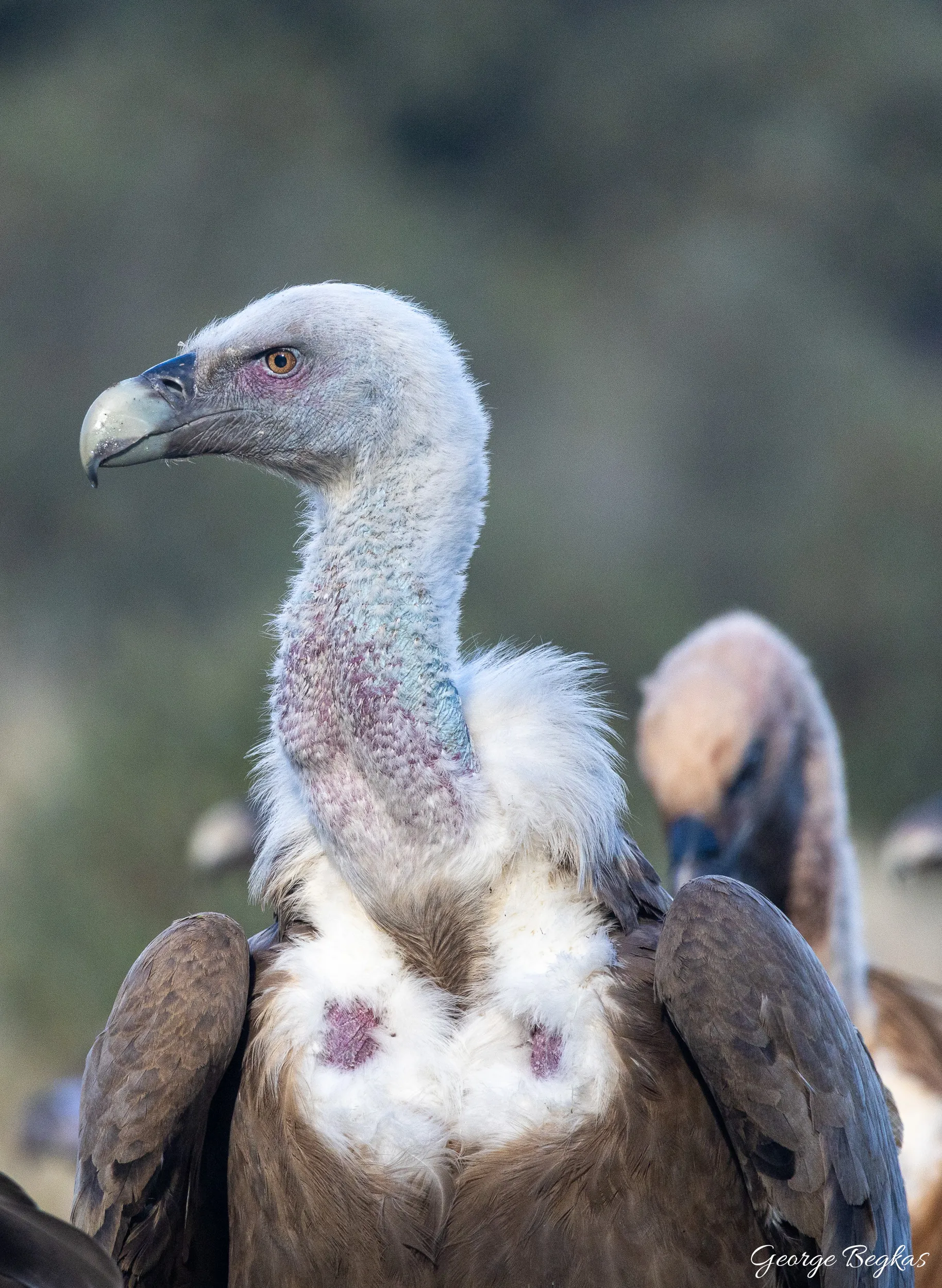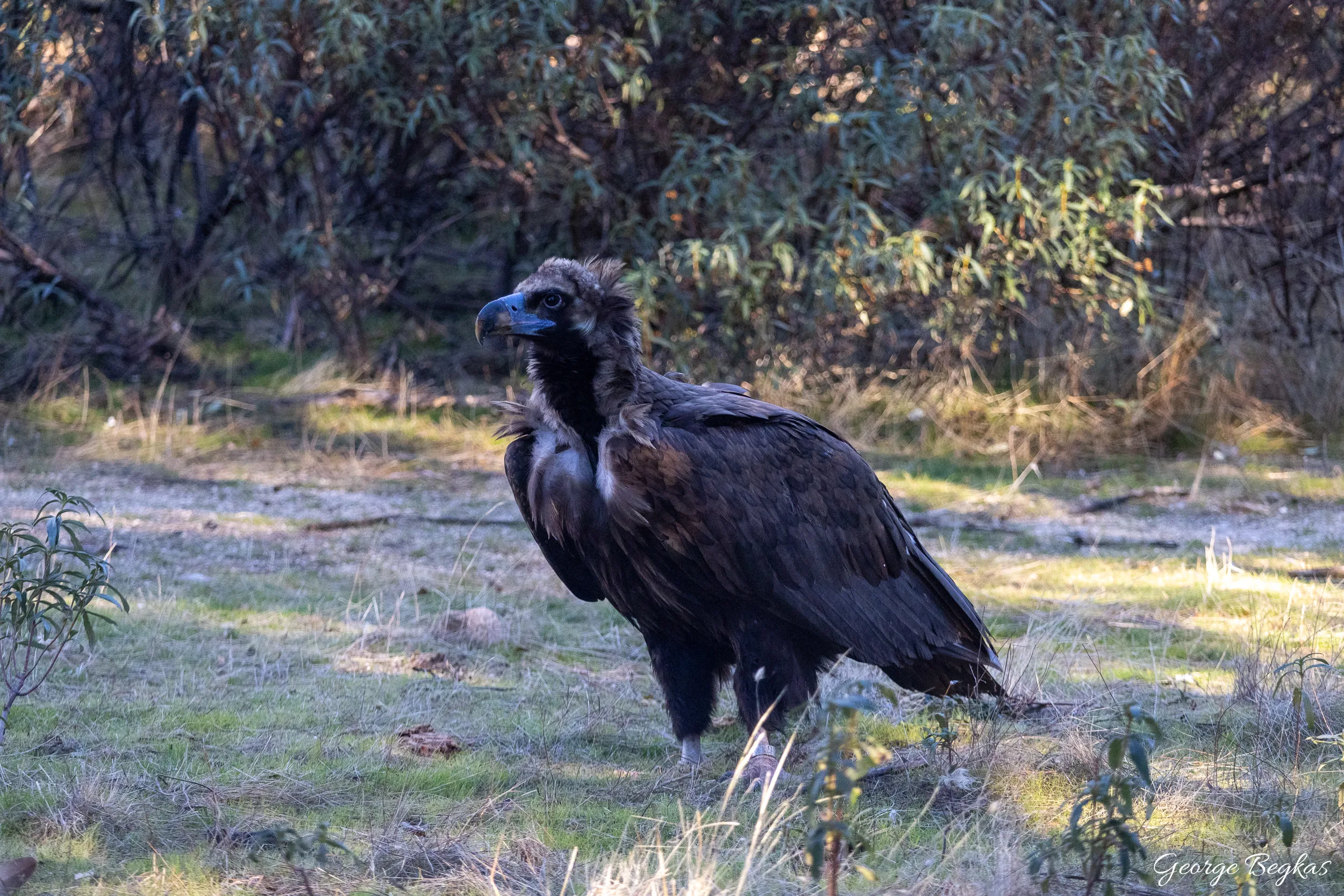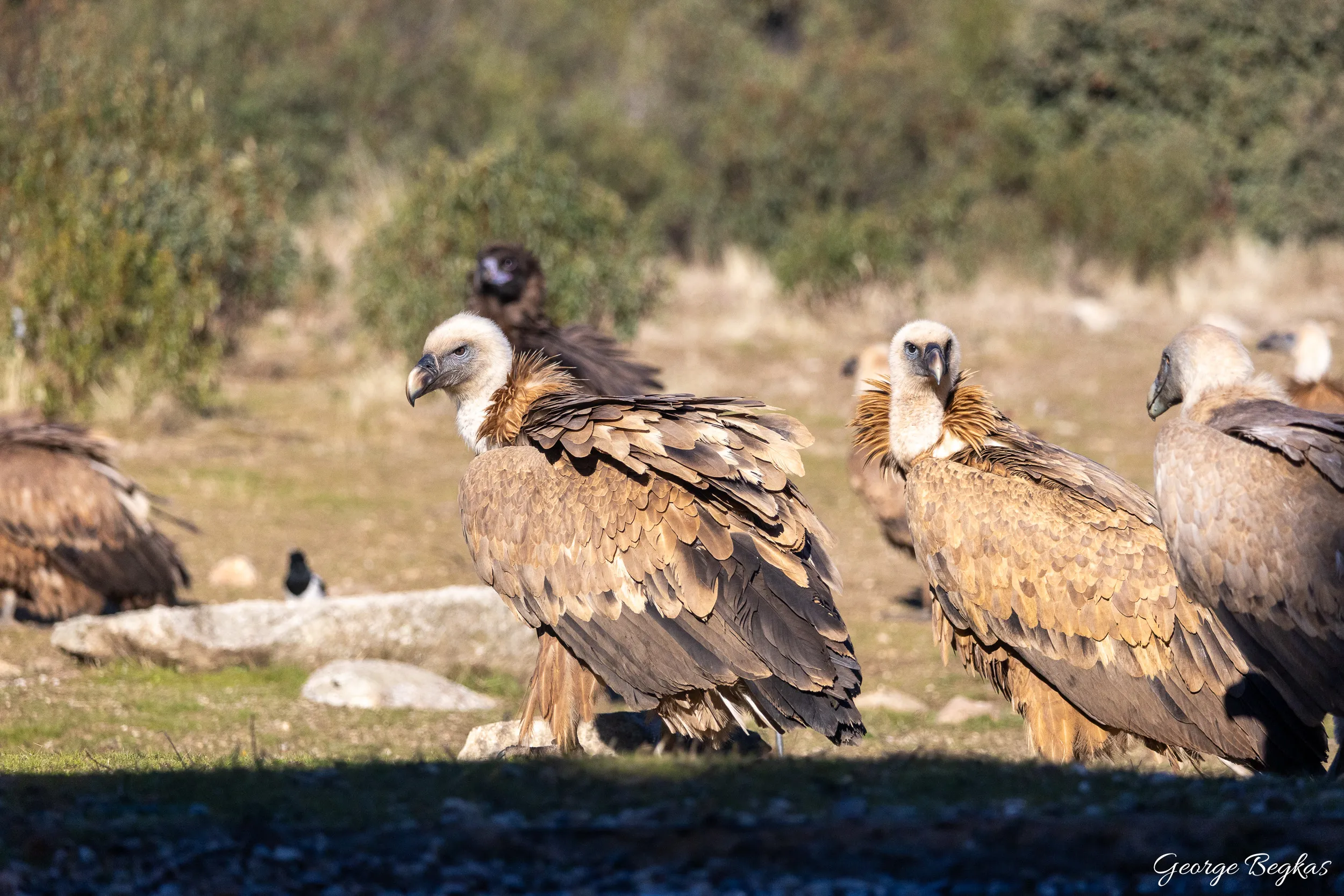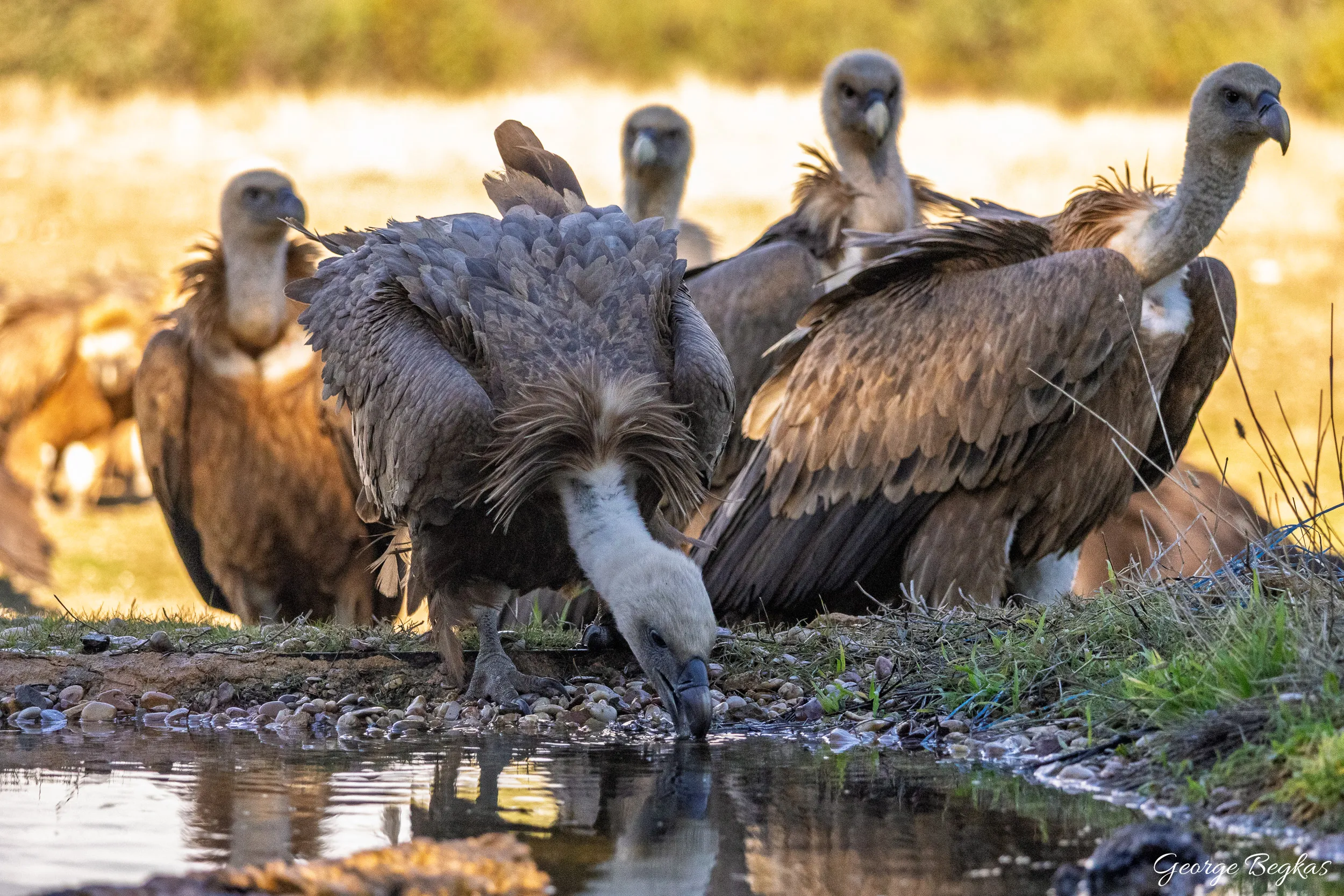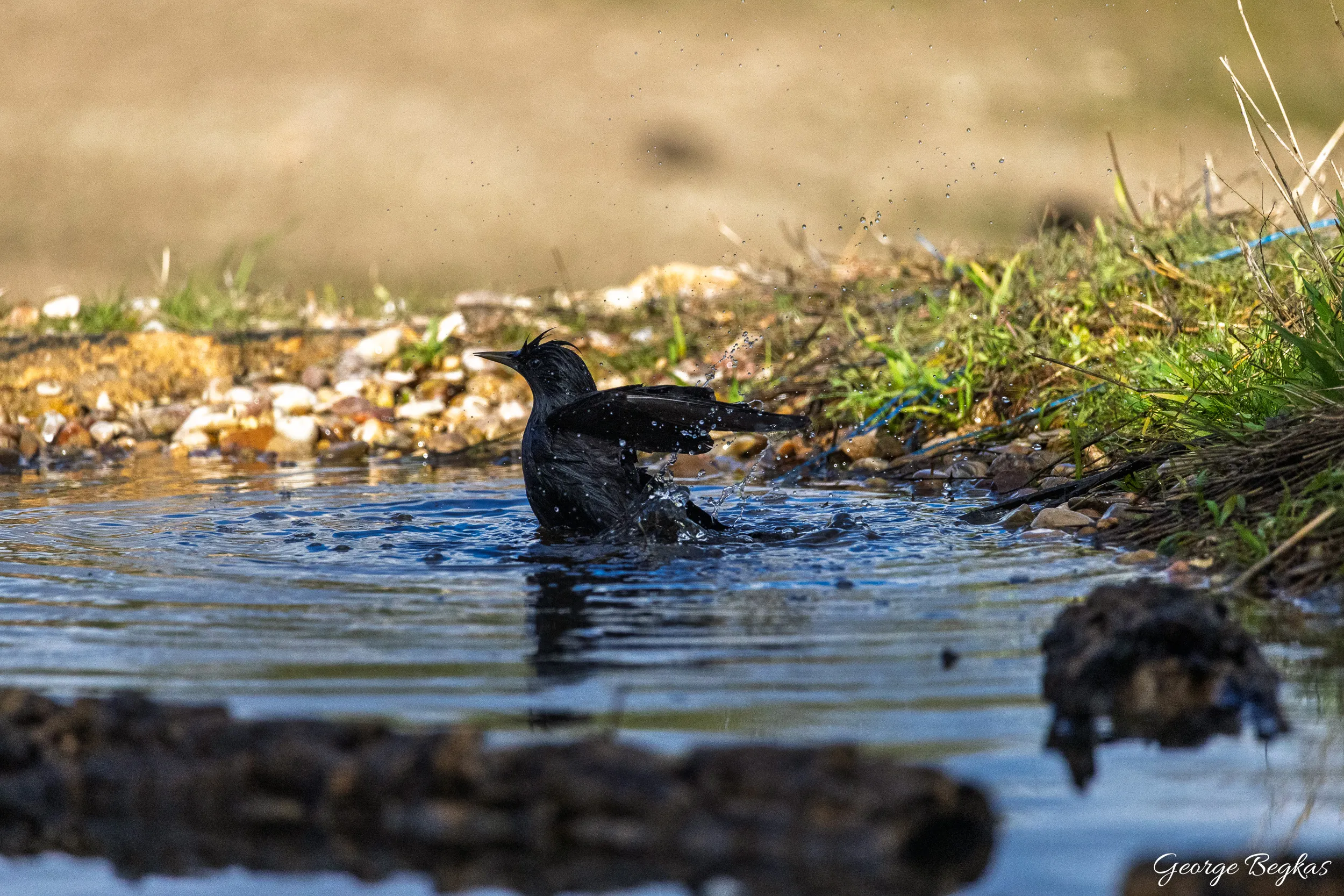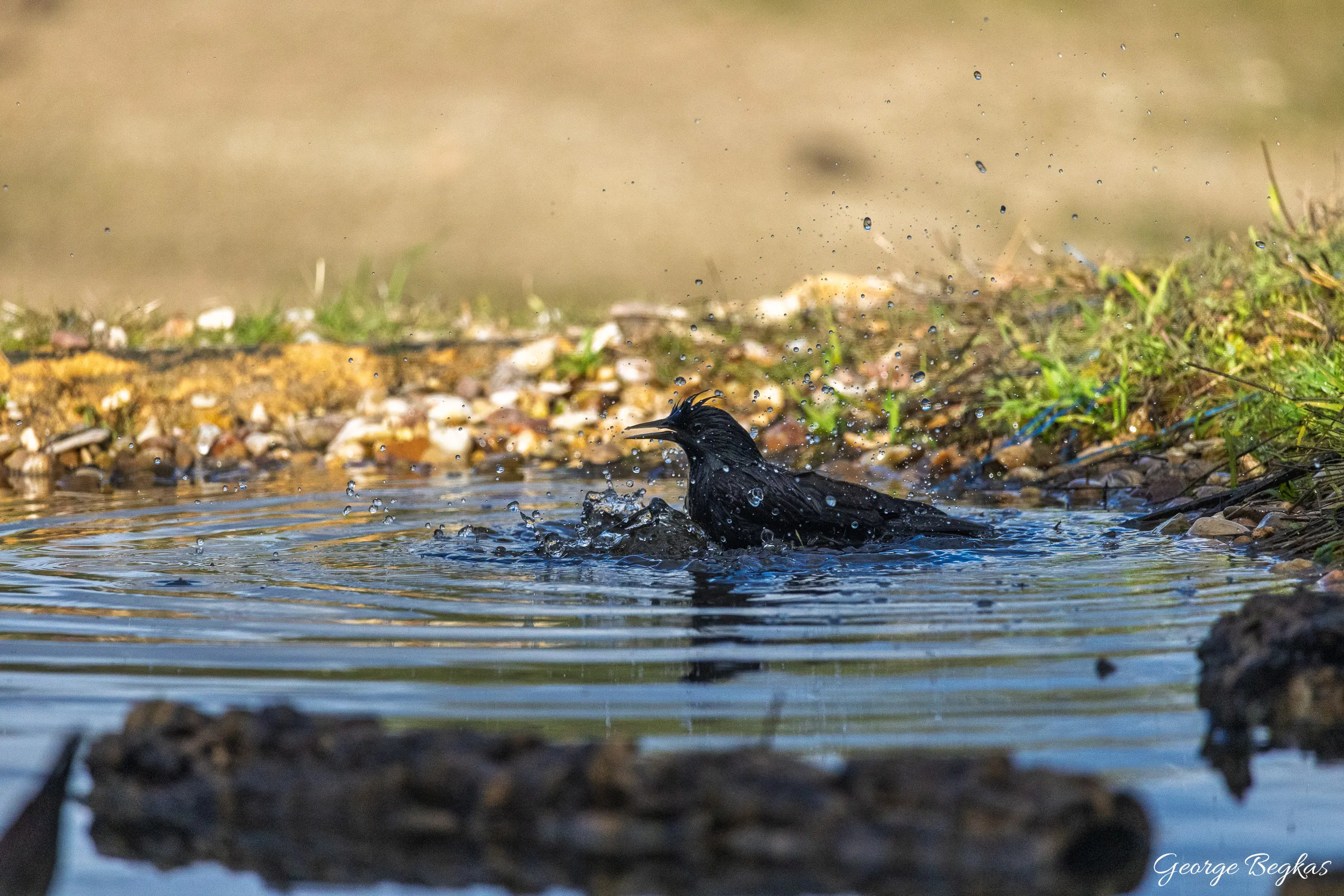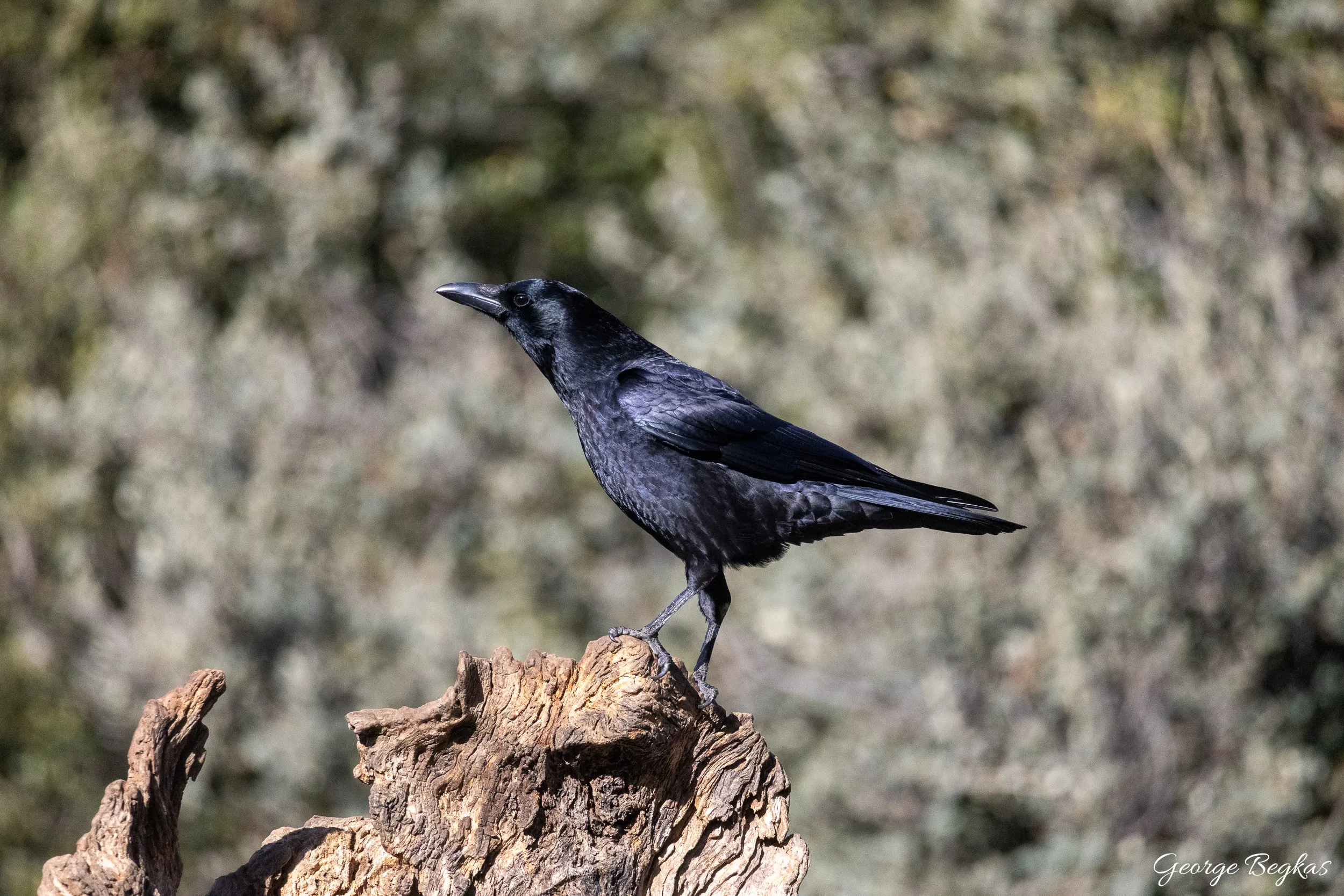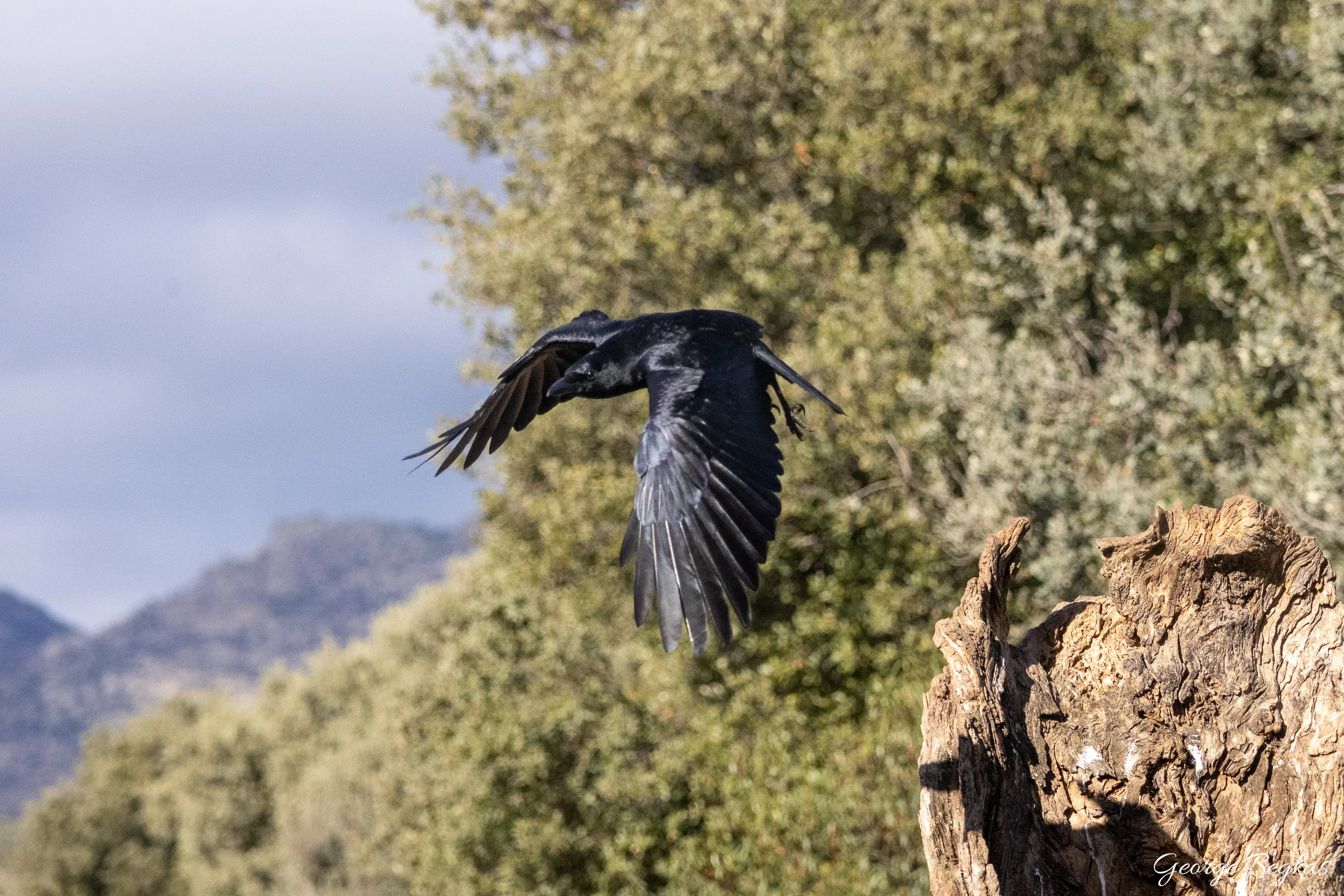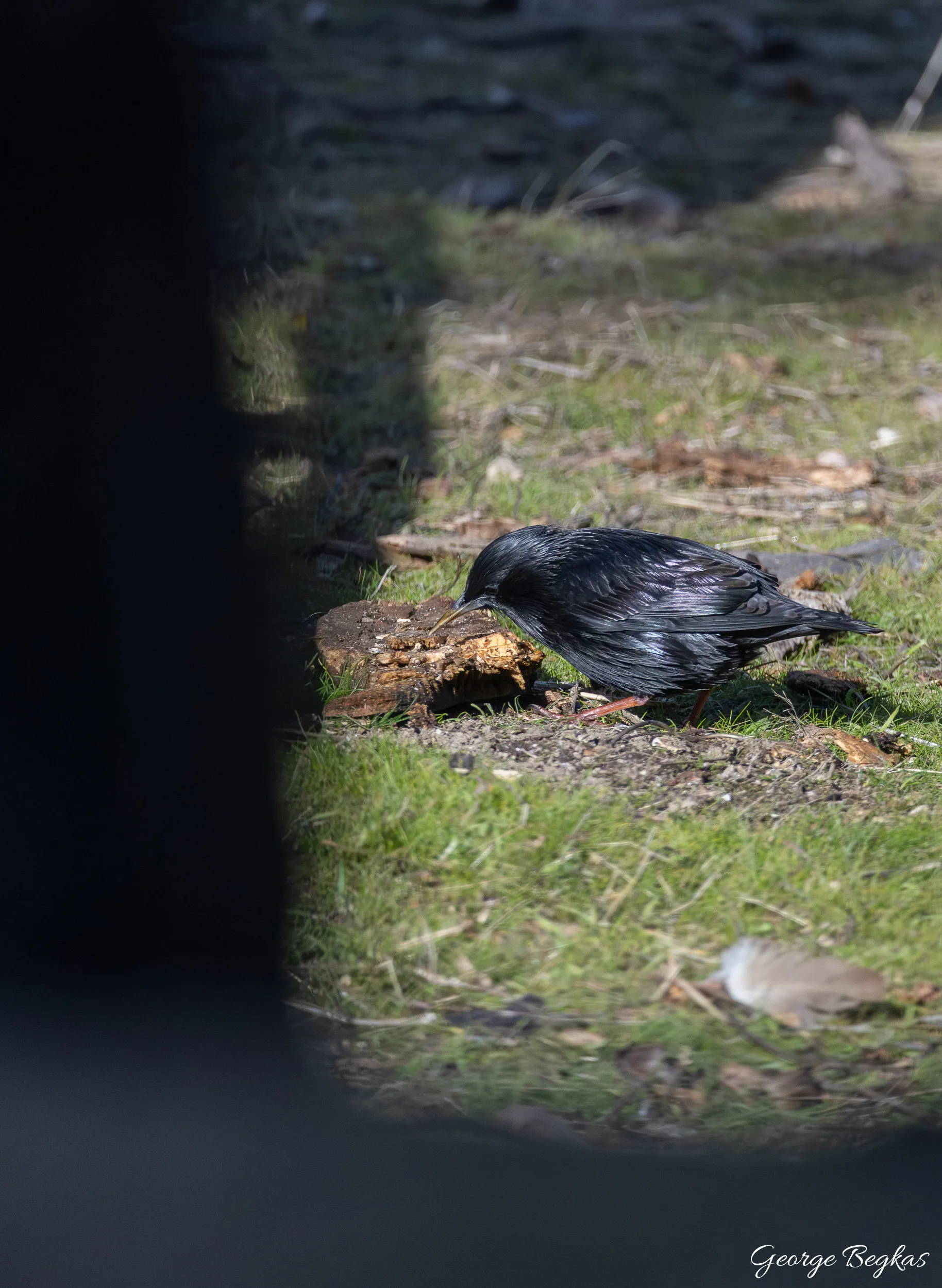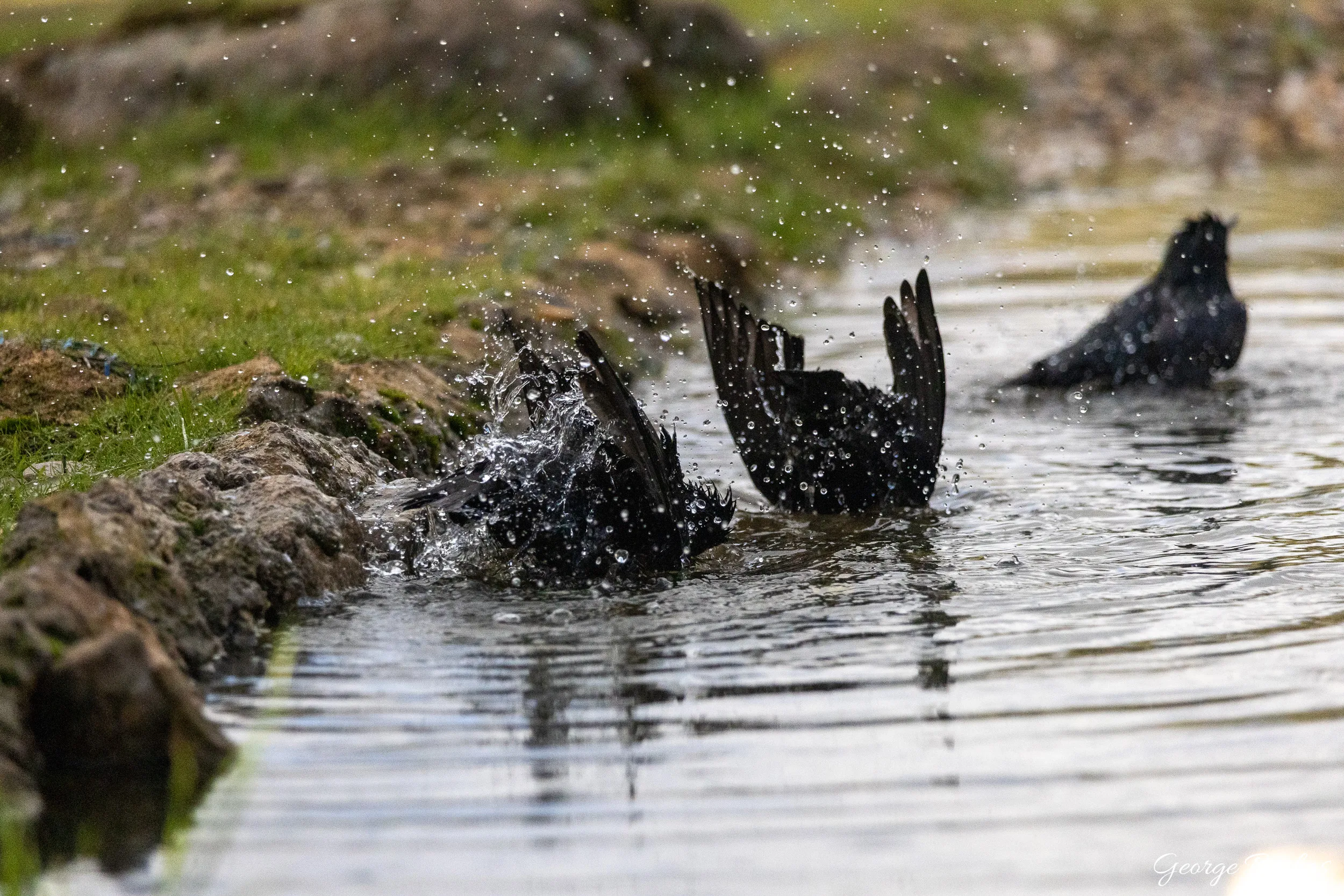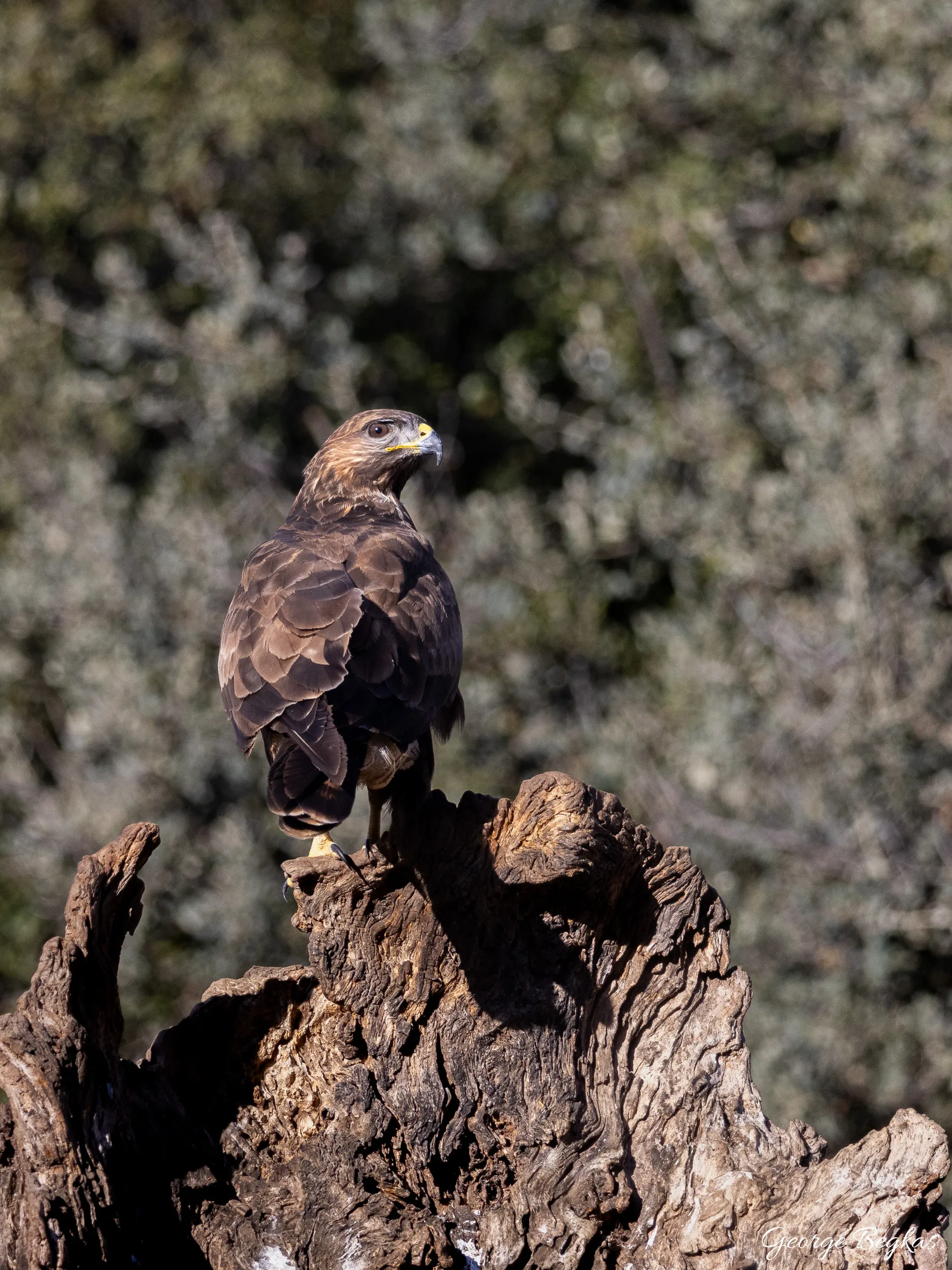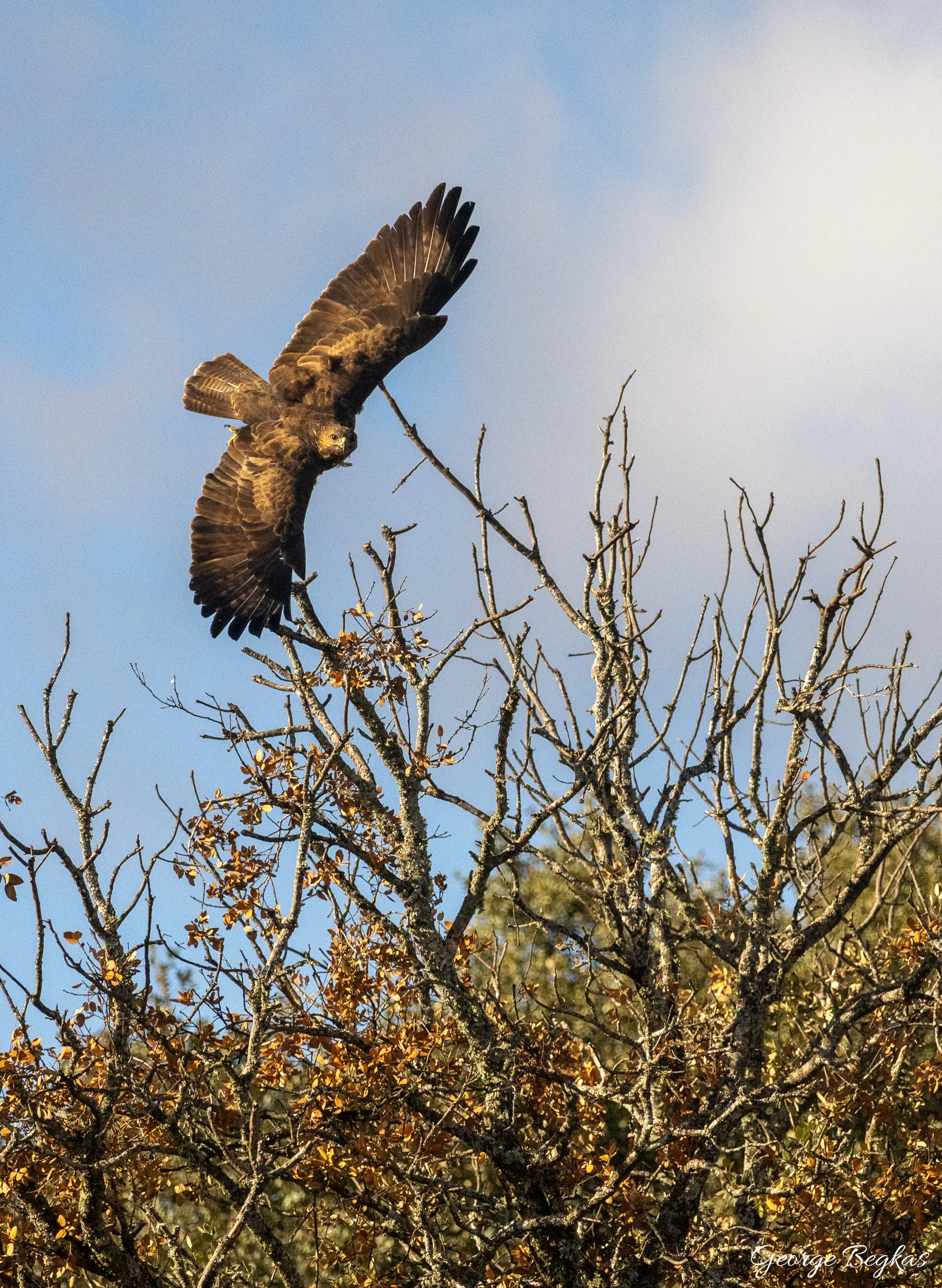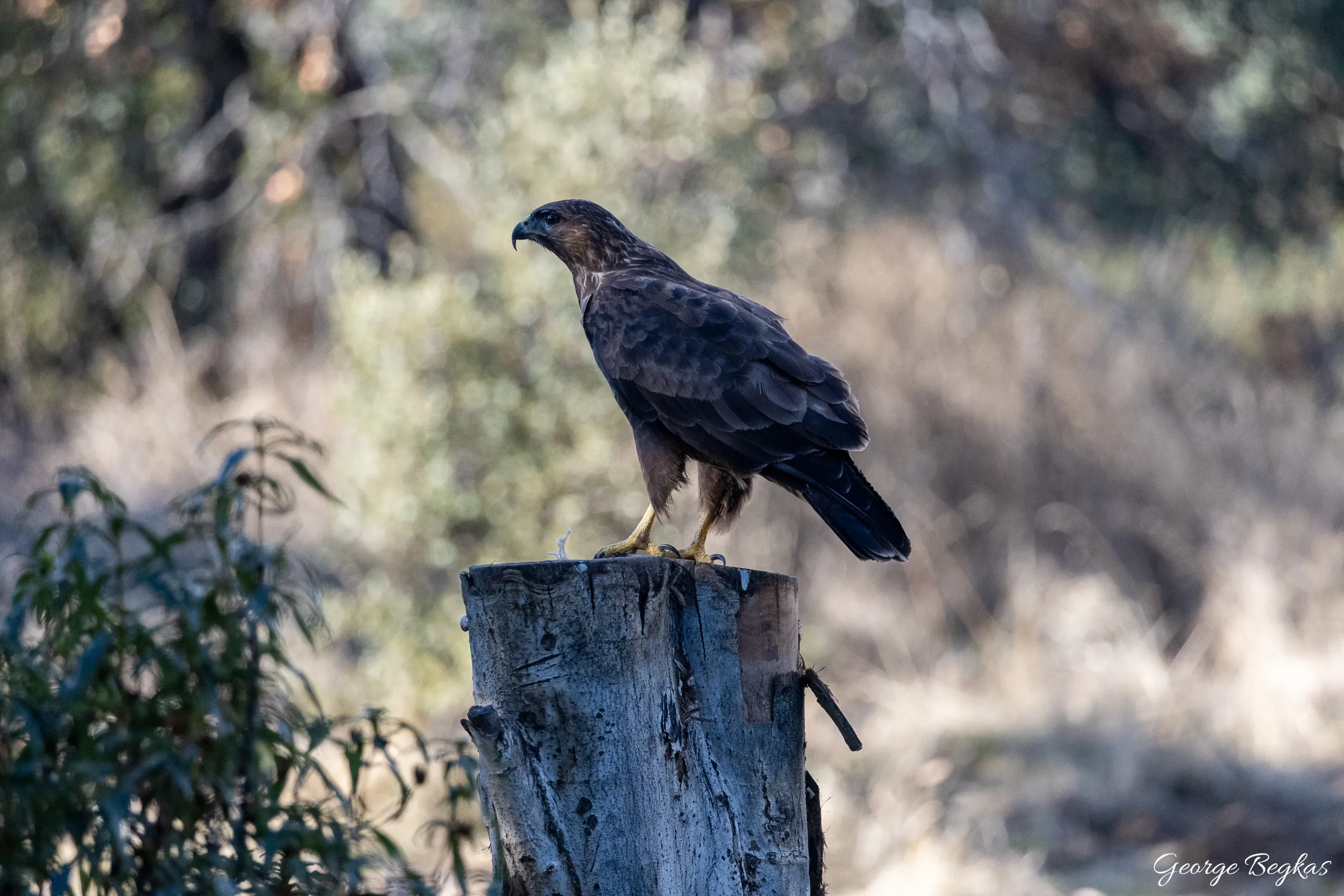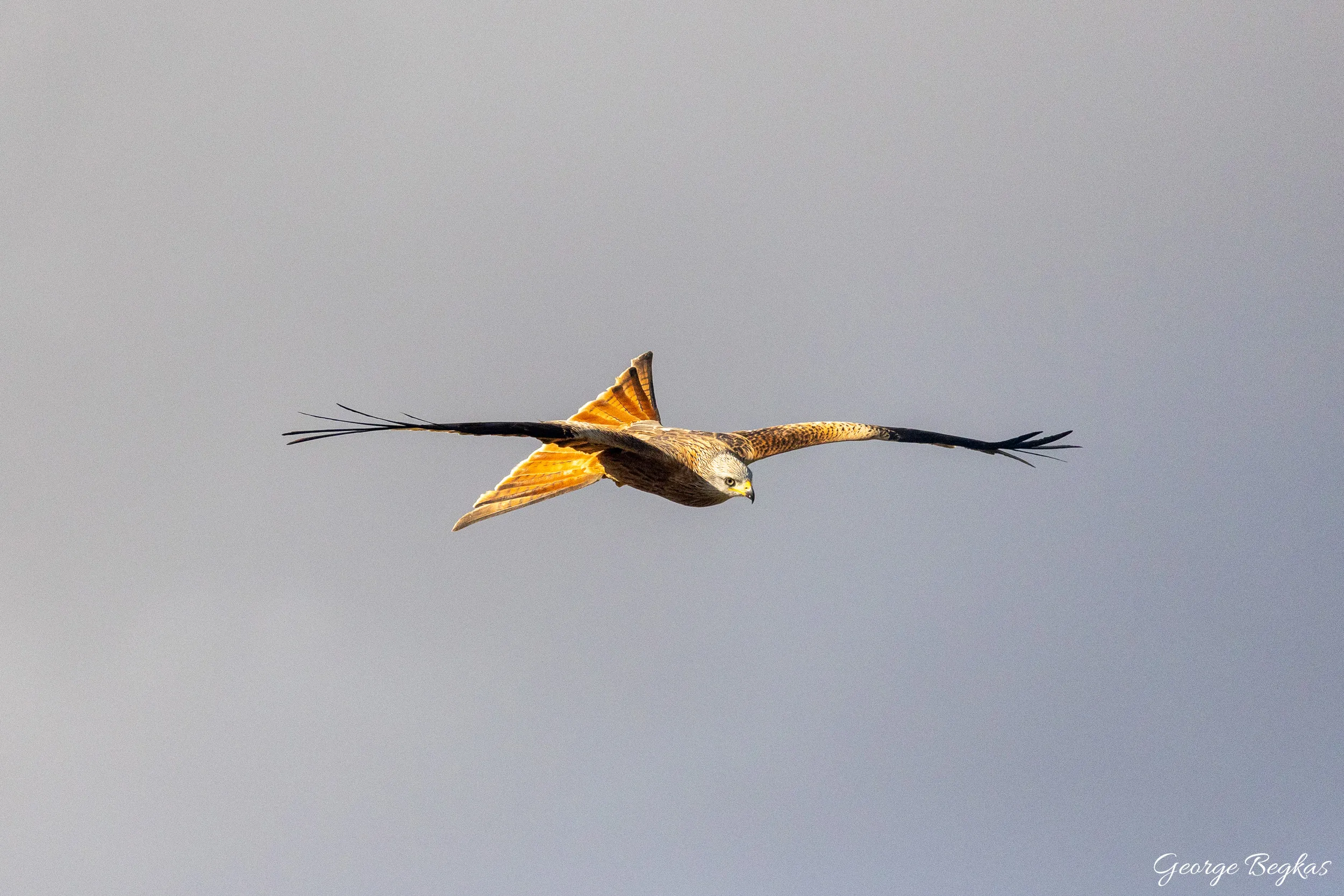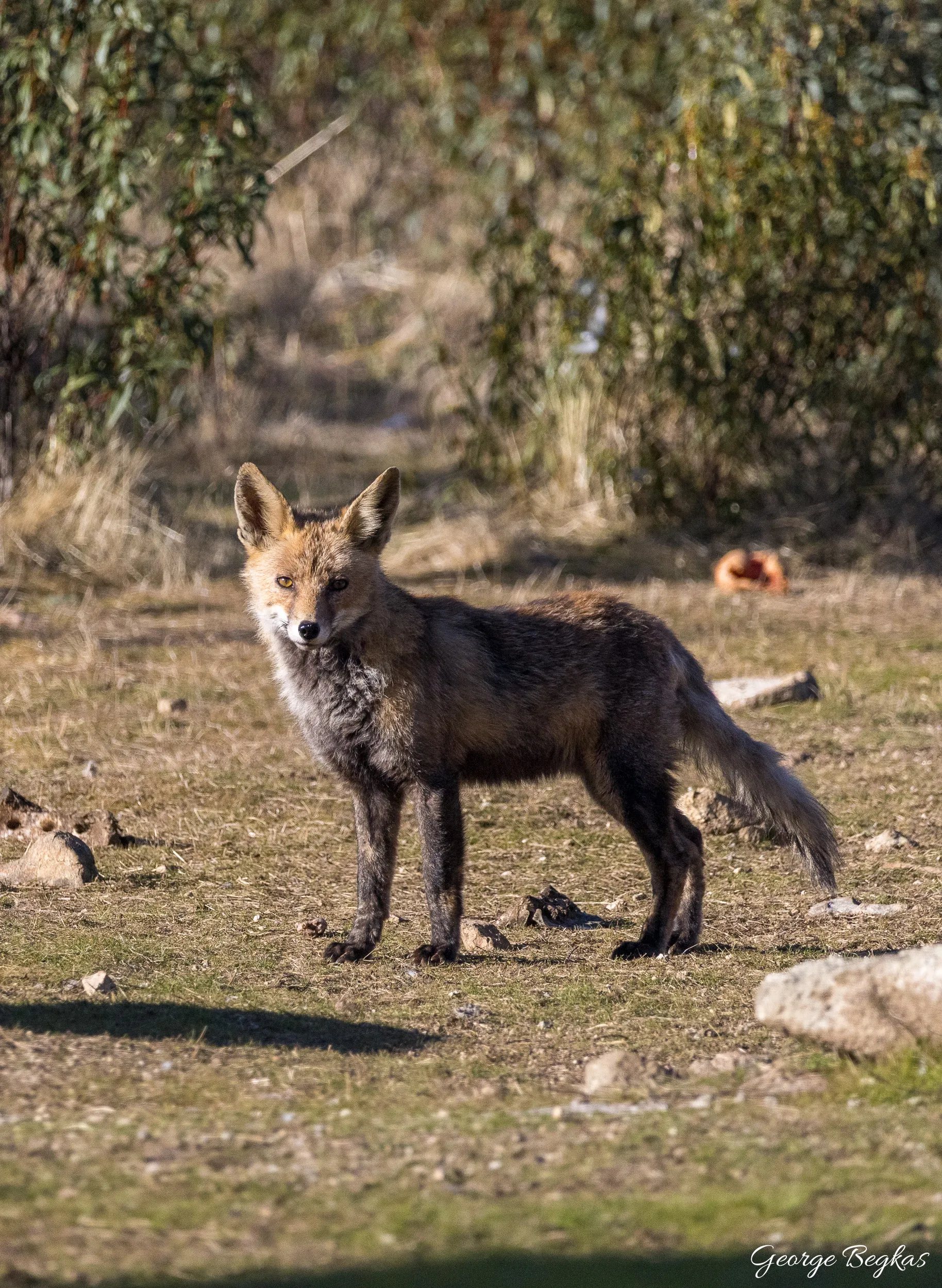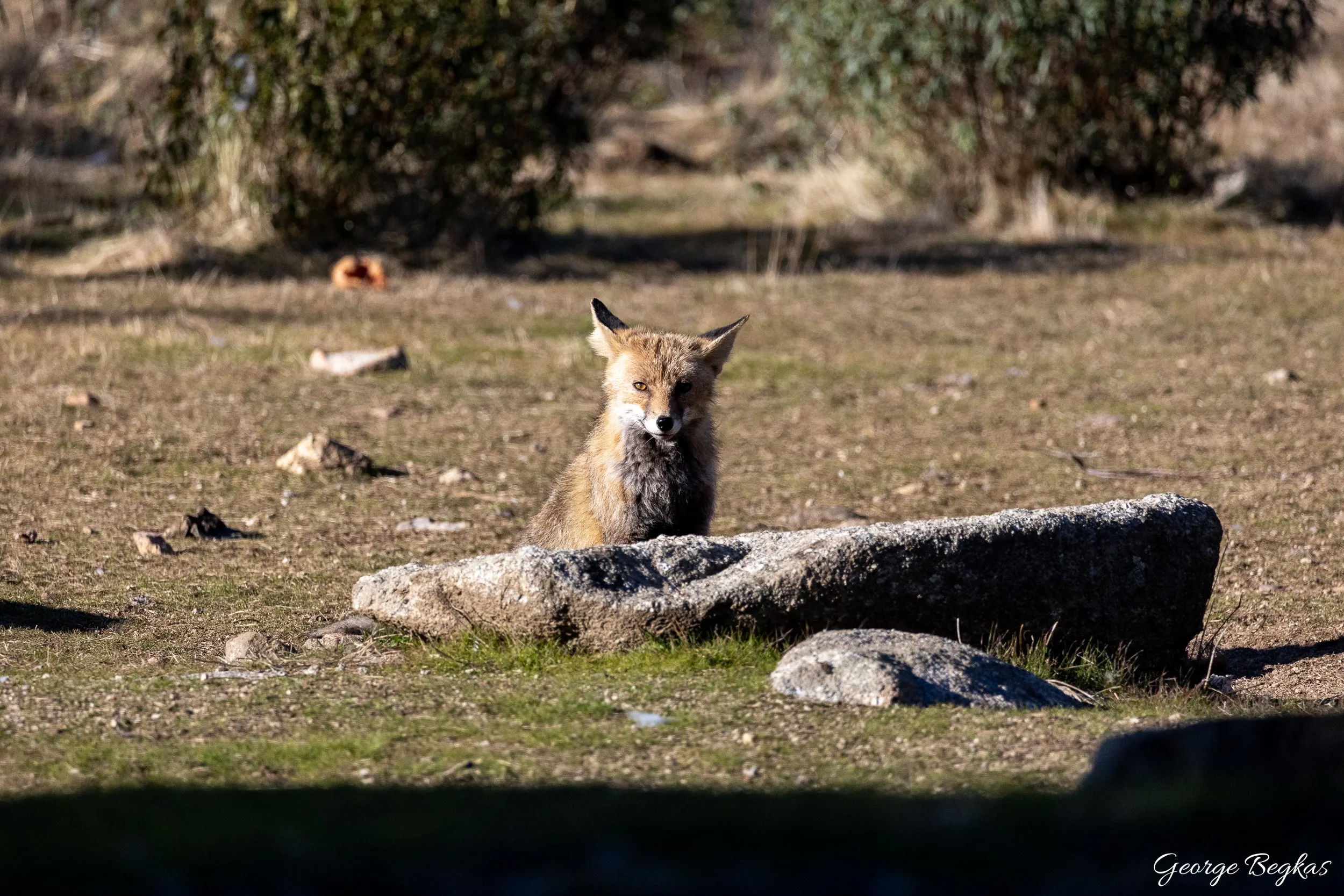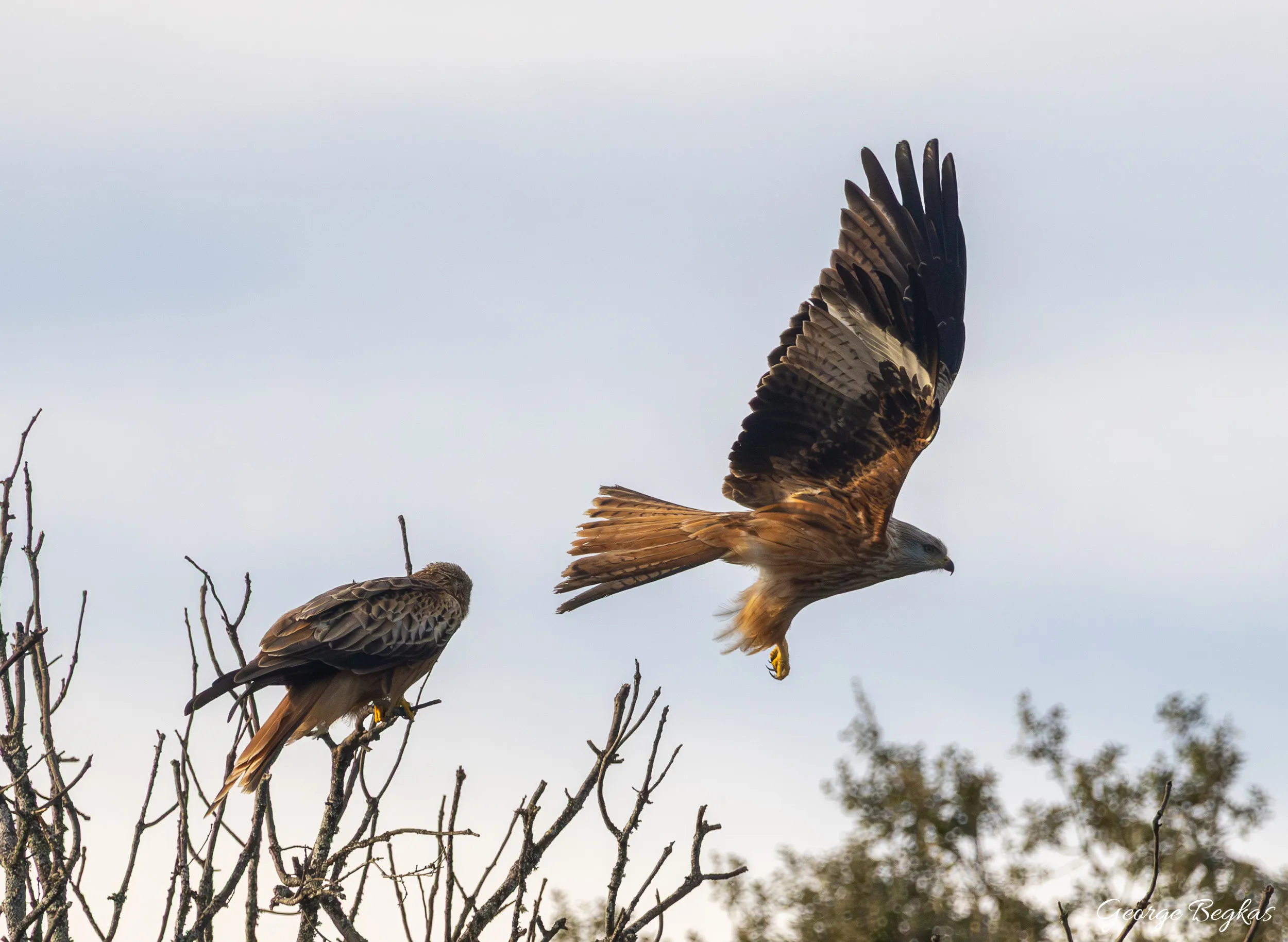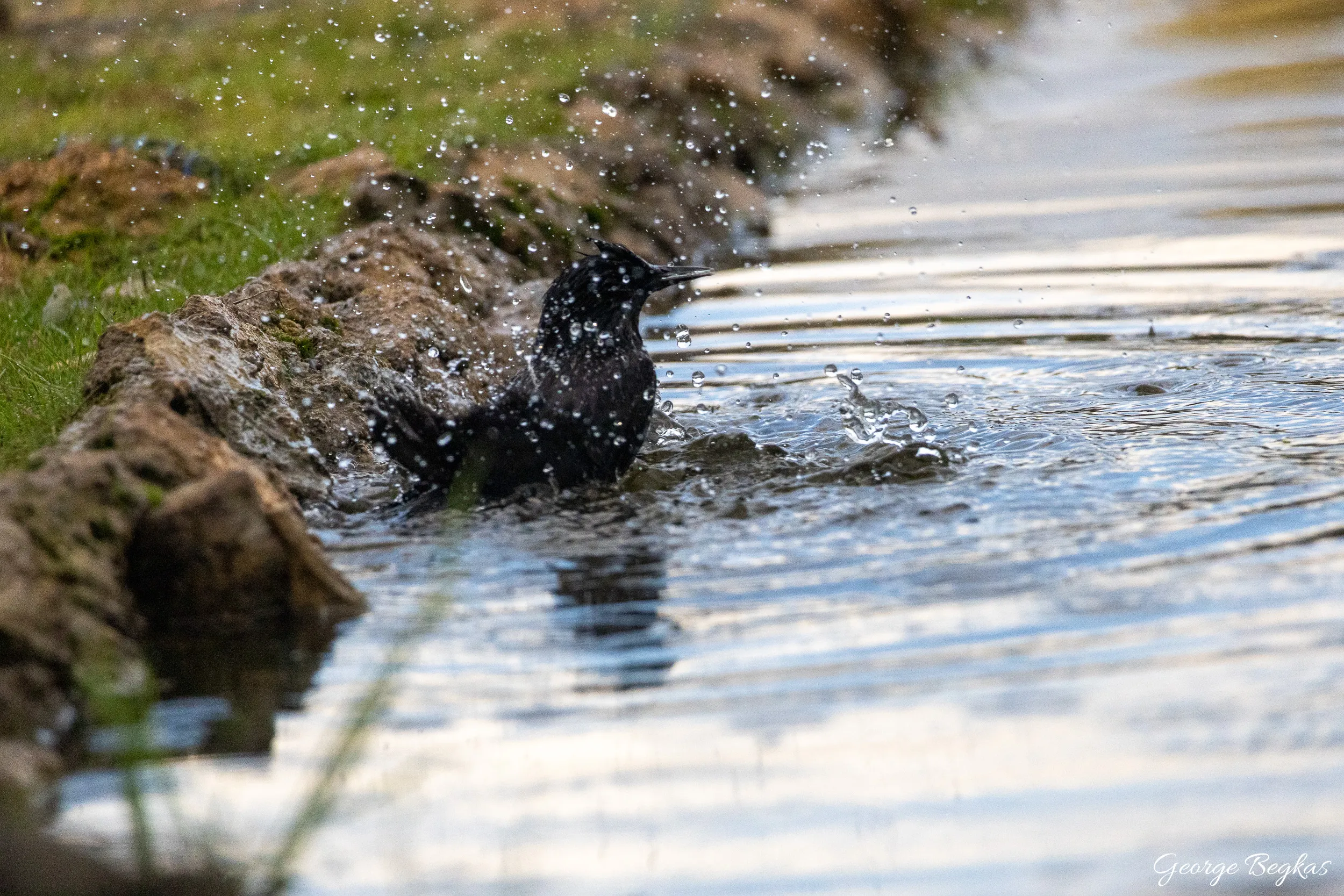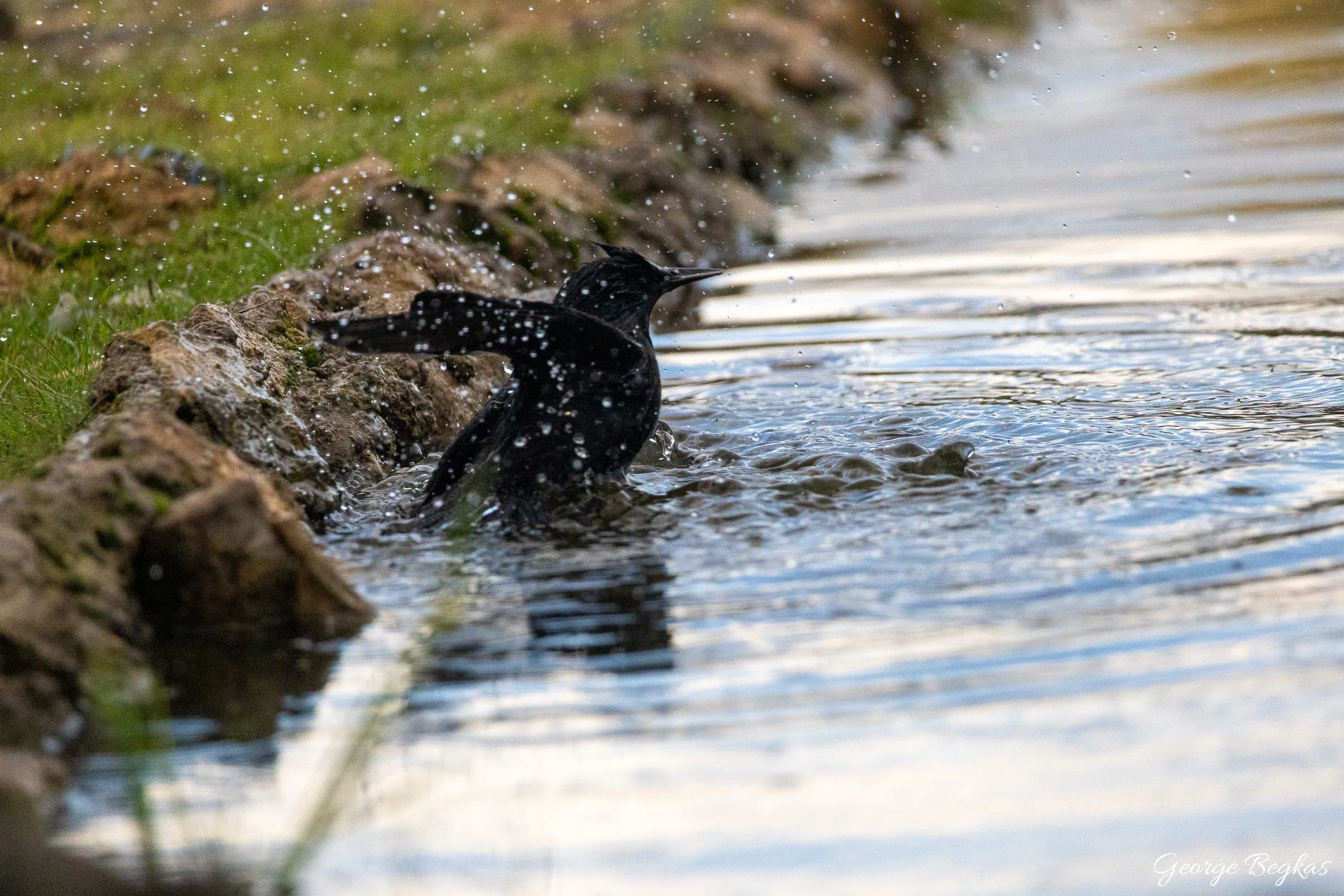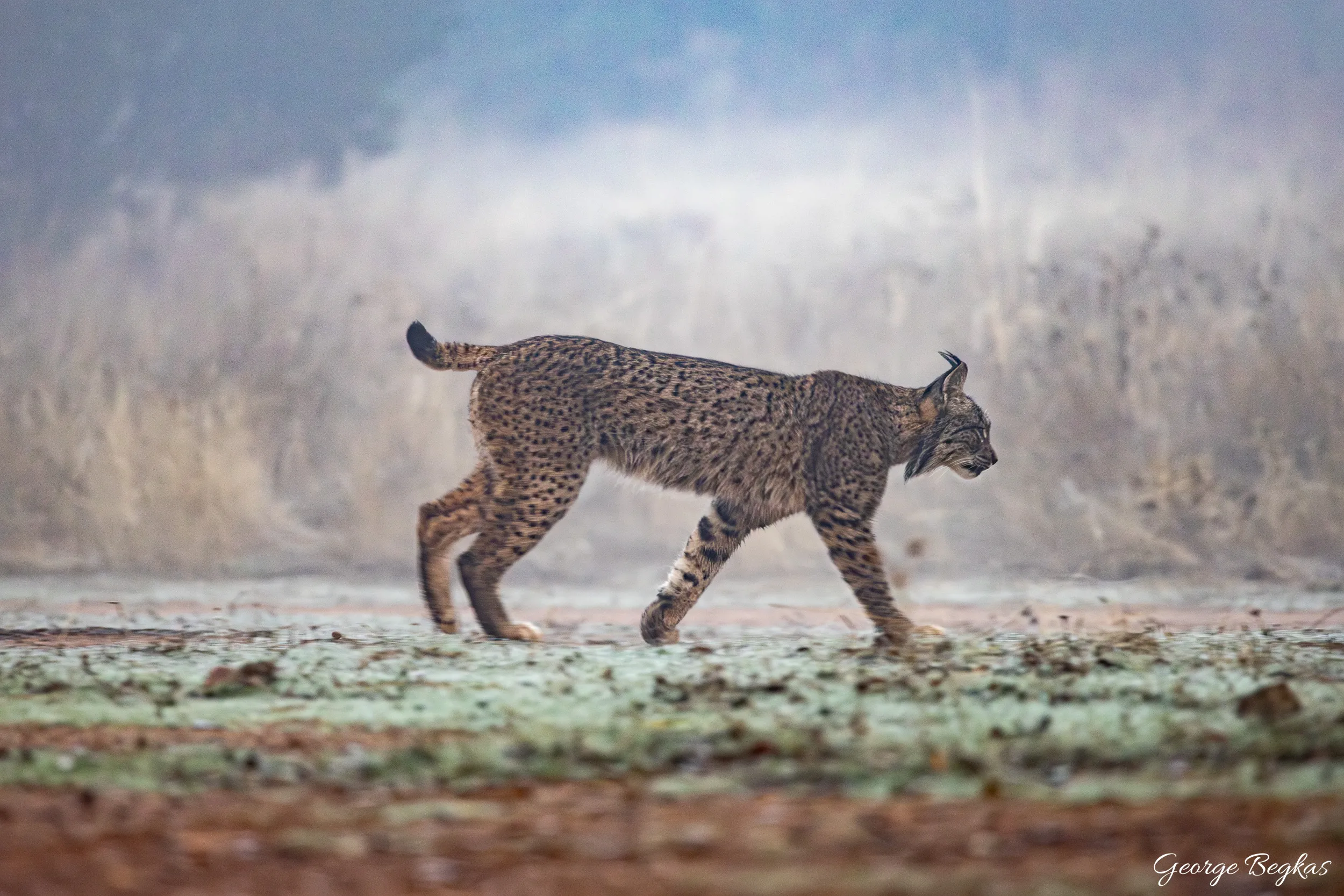
In late November 2025, I visited Spain for the first time. It was also my first experience with wildlife photography in a hide. I was part of a five-person group which included a professional wildlife photographer, and our main goal was to photograph the Iberian Lynx as well as the area’s diverse birdlife.
From the very beginning, I was confronted with one of the fundamental truths of wildlife photography: there are no guarantees. We spent two full days, from dawn until dusk, in a hide in southeastern Spain near the border of Castilla-La Mancha and Andalusia, where the Iberian Lynx can be found.
Our only lynx sighting came during the early hours of the first day, before we had fully settled into the hide. In the dim, misty light before sunrise, the animal emerged from the left and crossed our field of view at an unhurried pace, but the encounter lasted only a few seconds before it disappeared back into the trees and undergrowth without so much as a pause.
The low light and misty conditions made focusing difficult. My camera often locked onto the grass rather than the lynx itself. At first, the few images I managed to capture seemed disappointing, but careful post-processing later allowed me to salvage some worthwhile photographs. I have intentionally left one image in this gallery in its initial version so you can see how it actually looked.
Although the lynx never returned, the rest of our time in the hide provided countless opportunities to observe and photograph the area’s rich birdlife. Our luck was even worse on the second day as it was windy with some light rain at times and most of the wildlife was hidden.
On the third day, we moved to a hide west of Madrid in hopes of photographing the Spanish Imperial Eagle. Once again, luck was not entirely on our side. The eagle’s only appearance occurred early in the morning while the air was still cold and humid. To make matters worse, the hide’s glass had fogged up from our body heat and breath, making photography even more challenging. In fact, I only realised I had captured the eagle several days later while reviewing my photographs at home. Despite that, the day itself was fantastic.
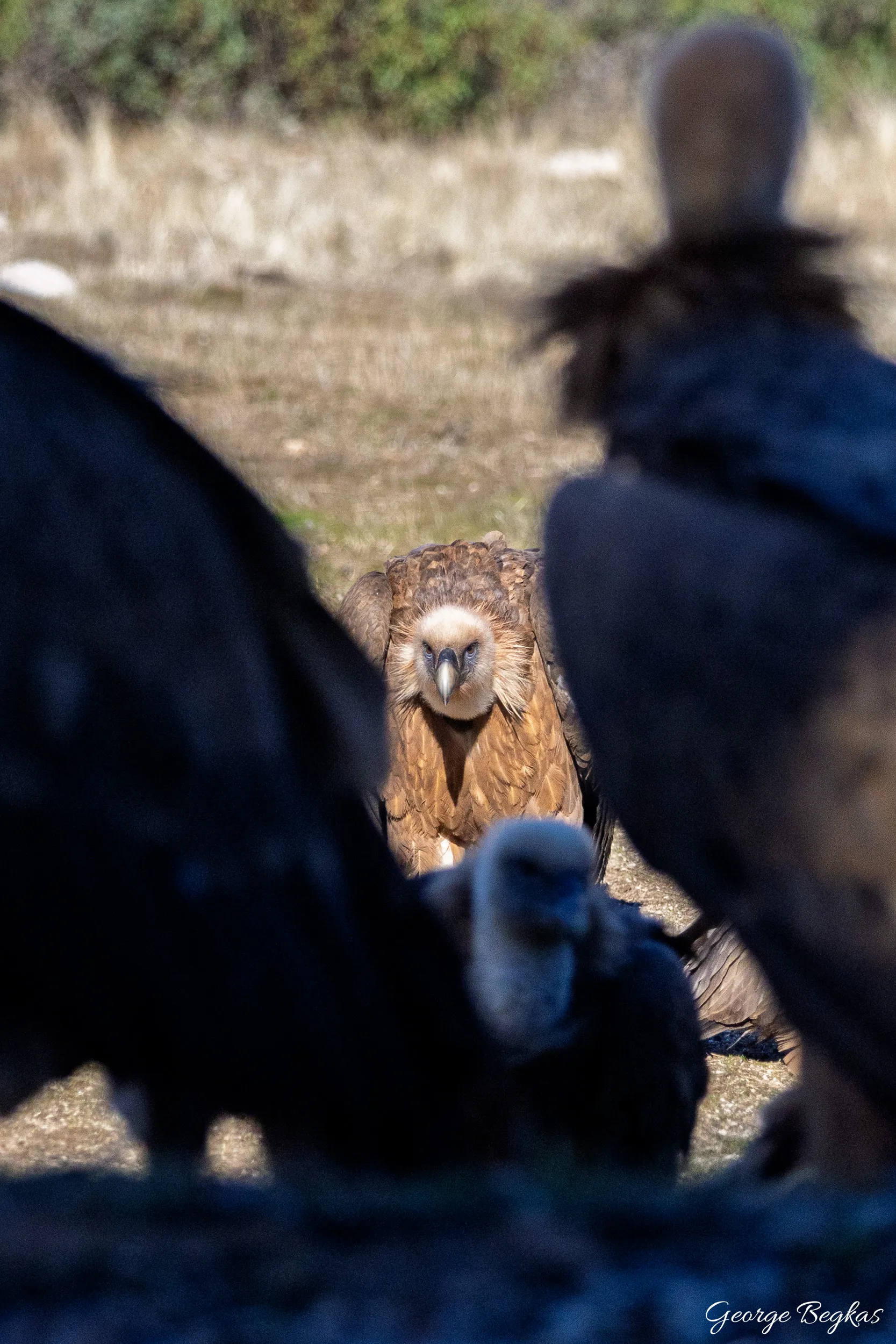
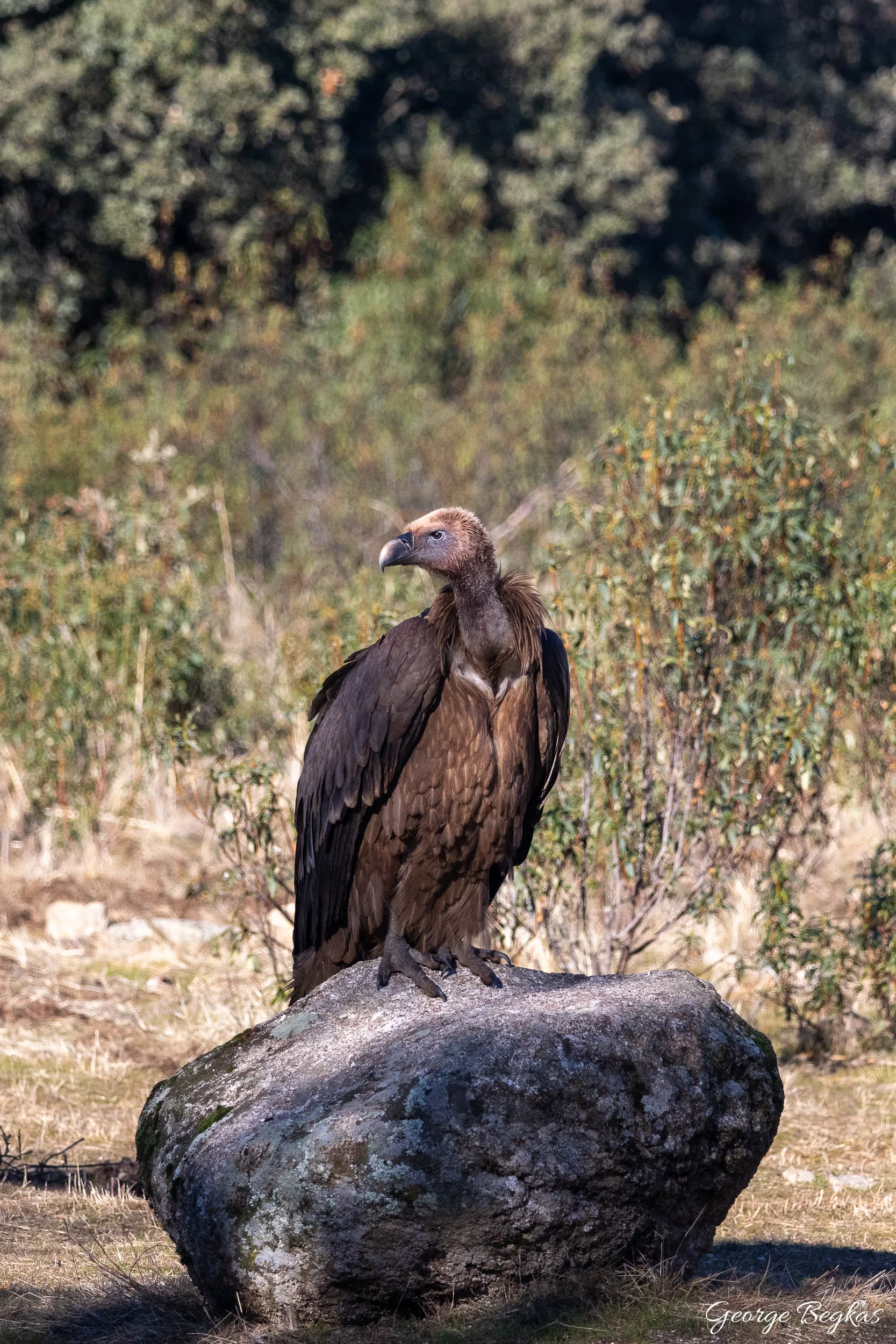
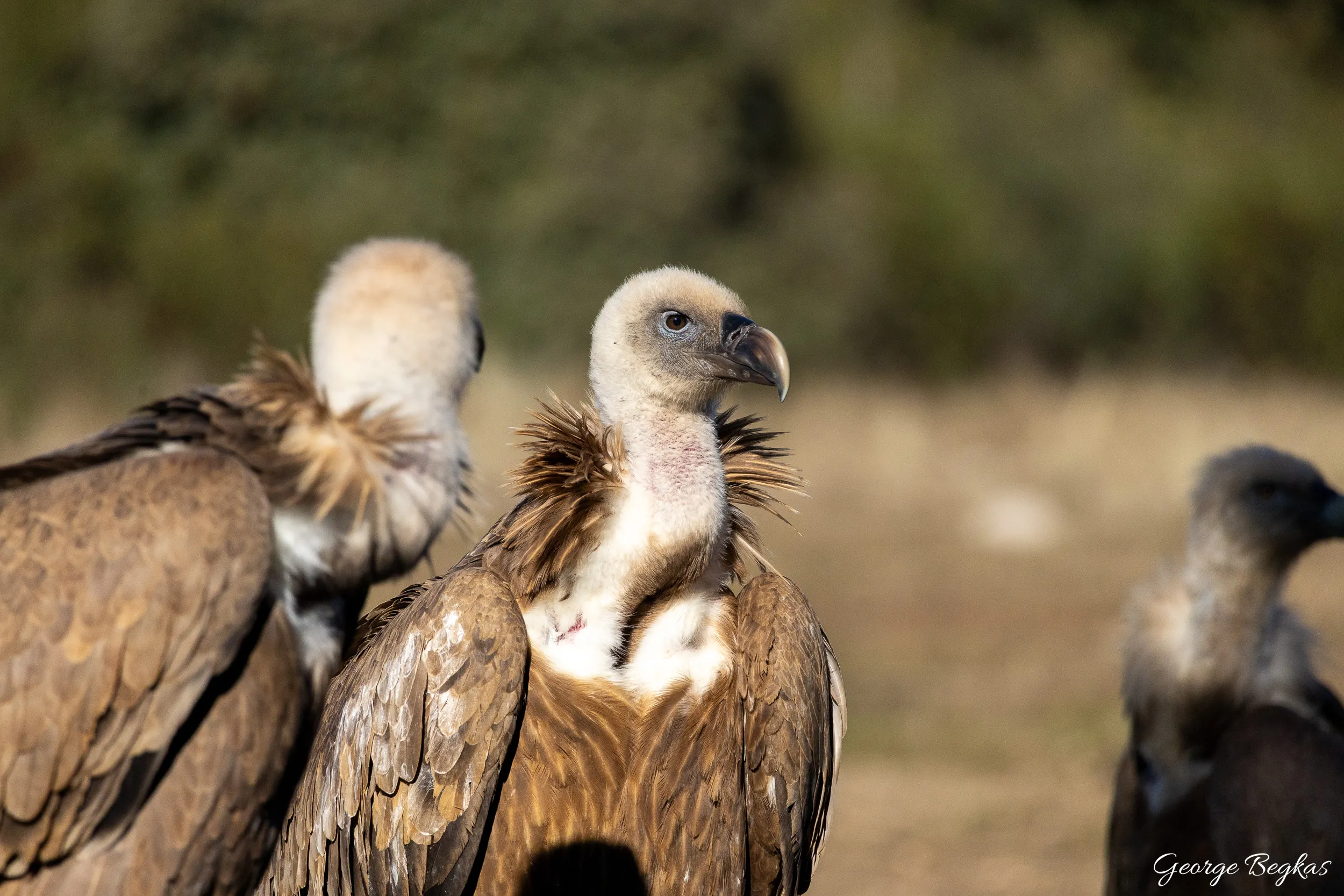
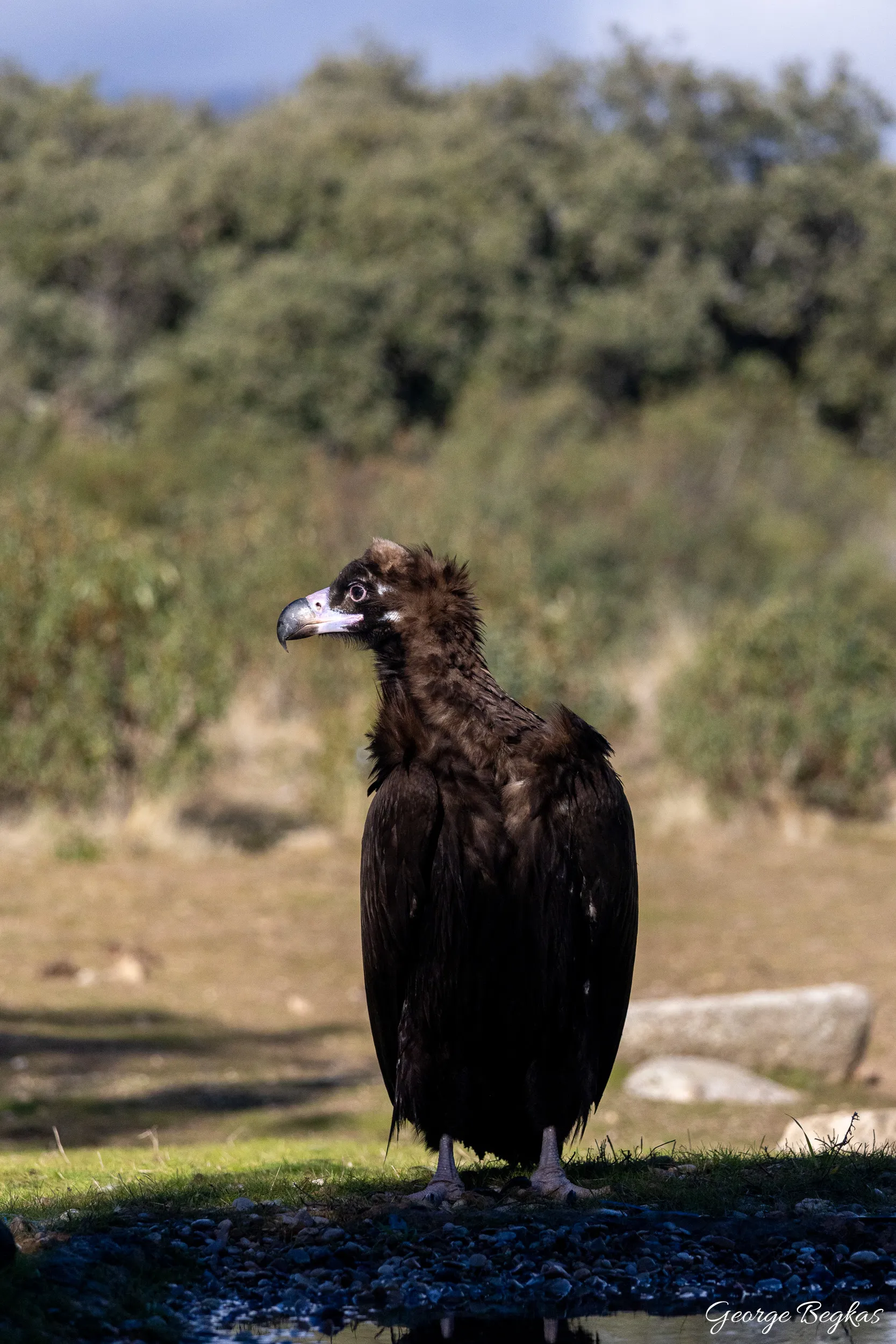
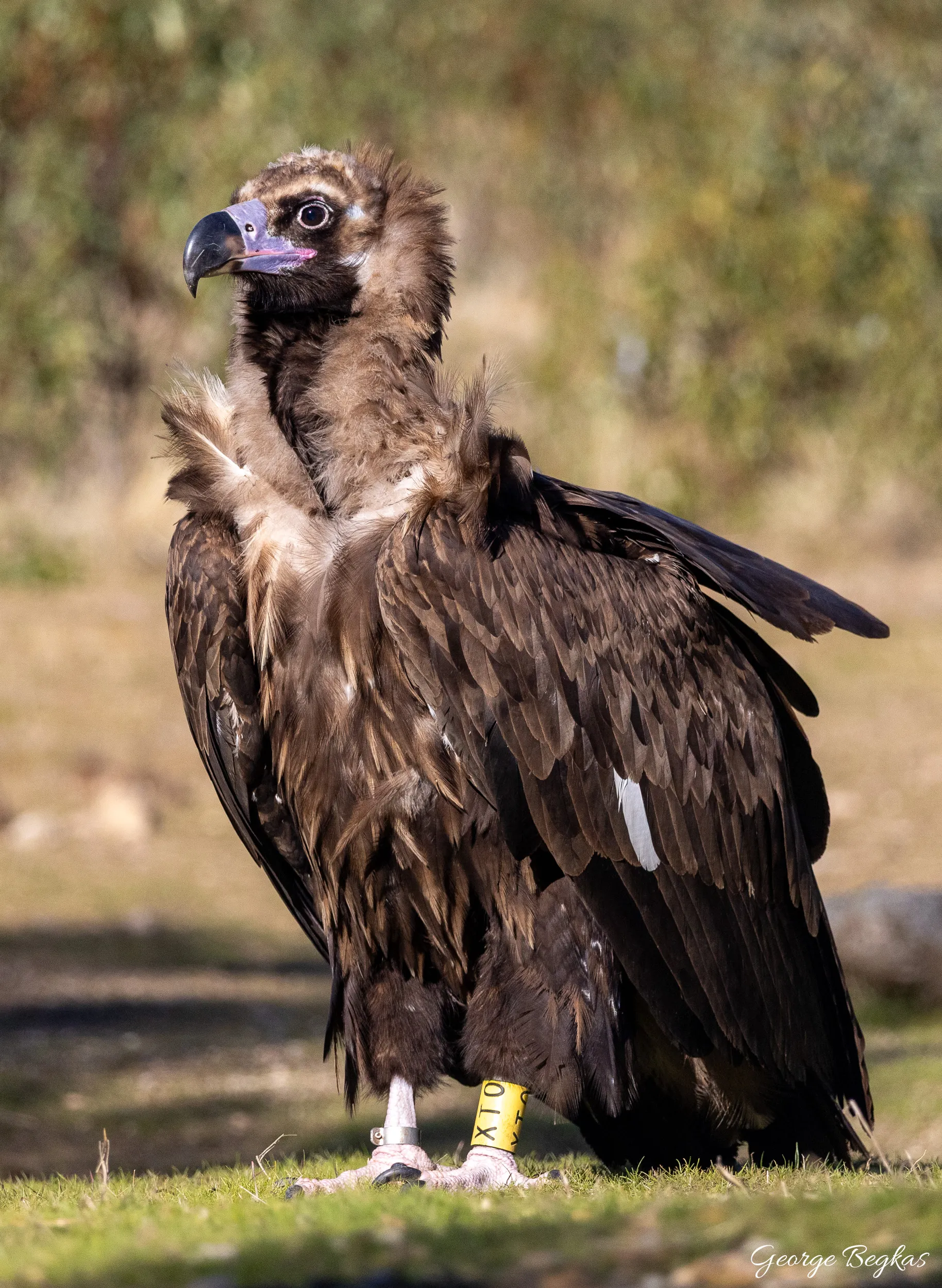
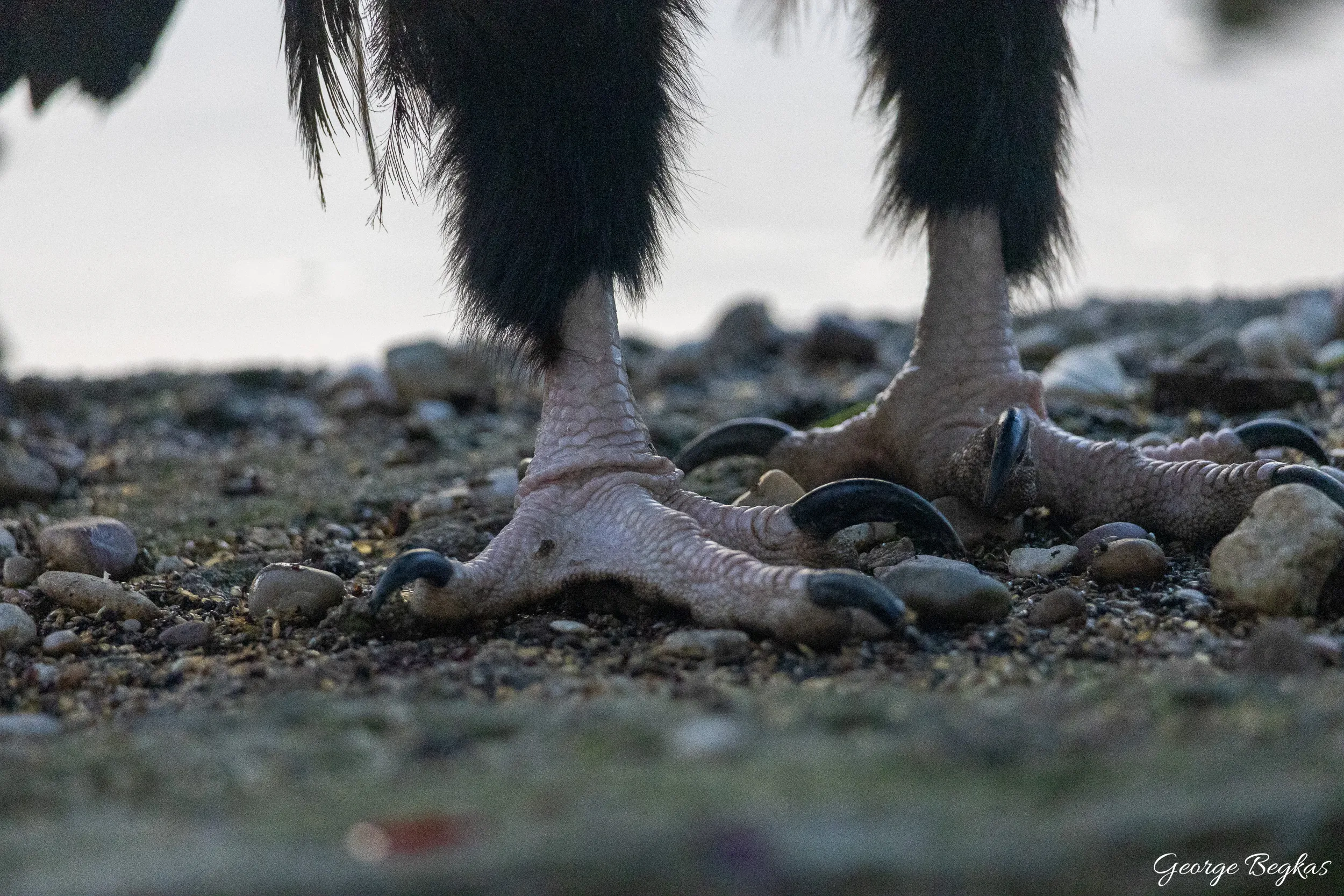
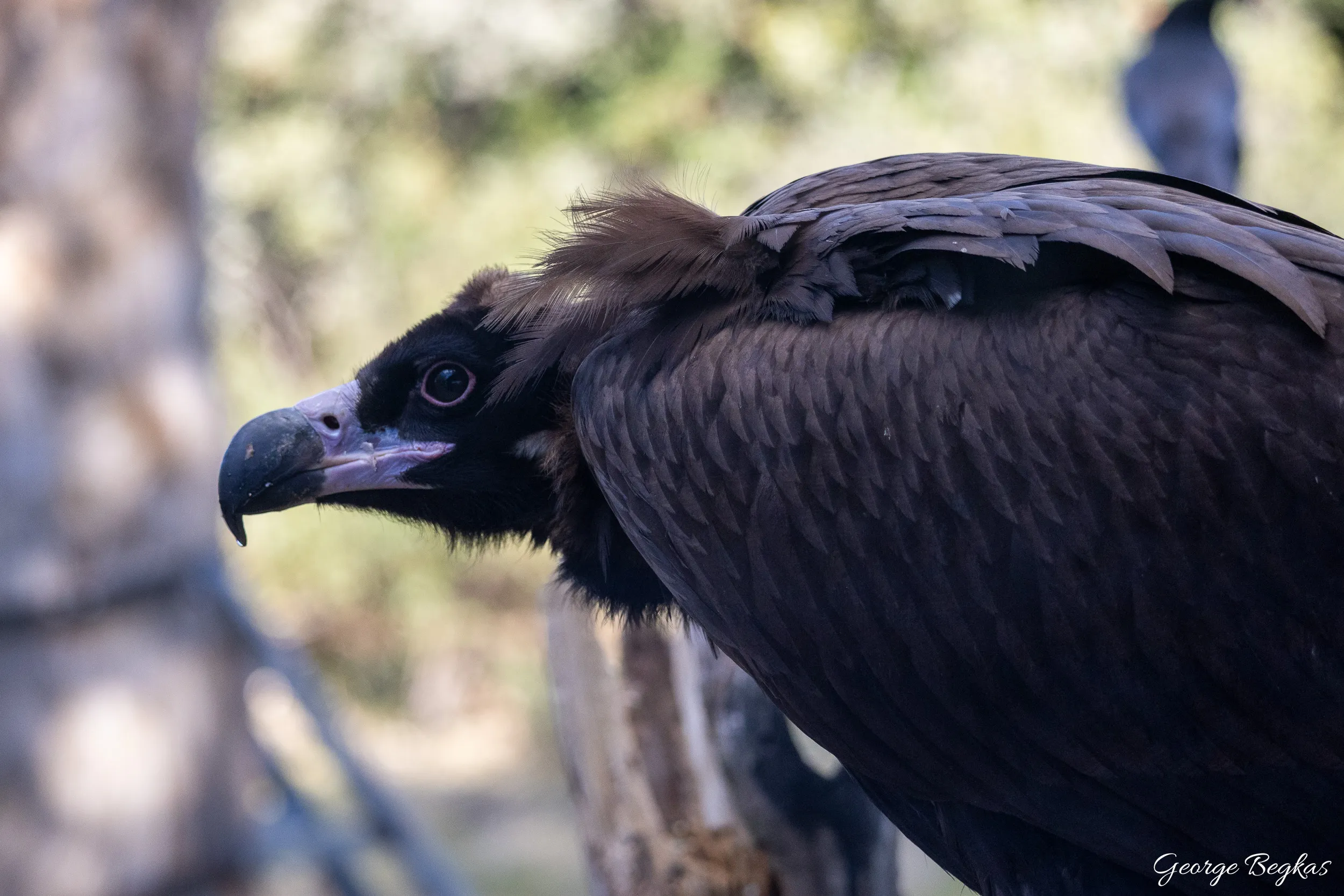
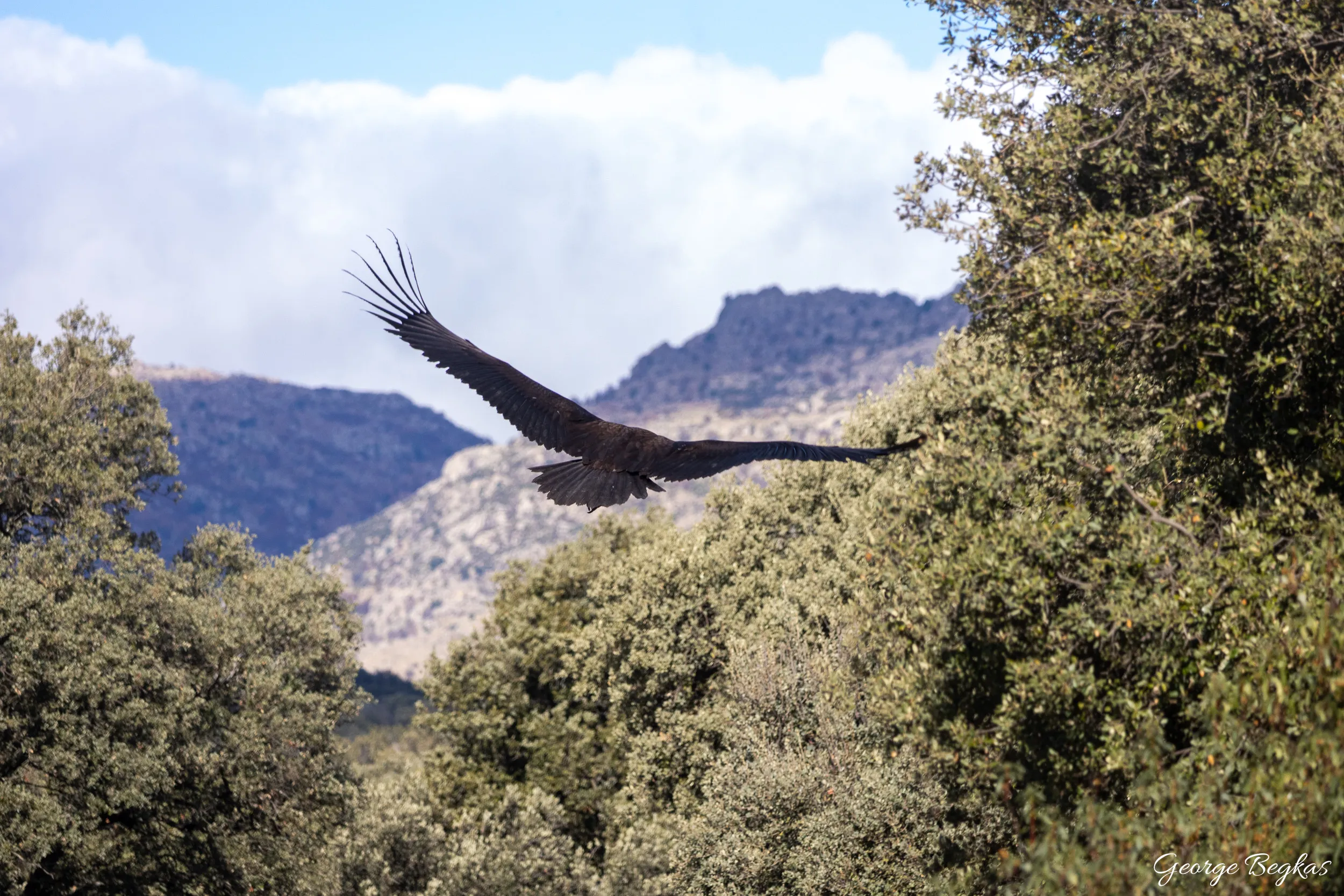
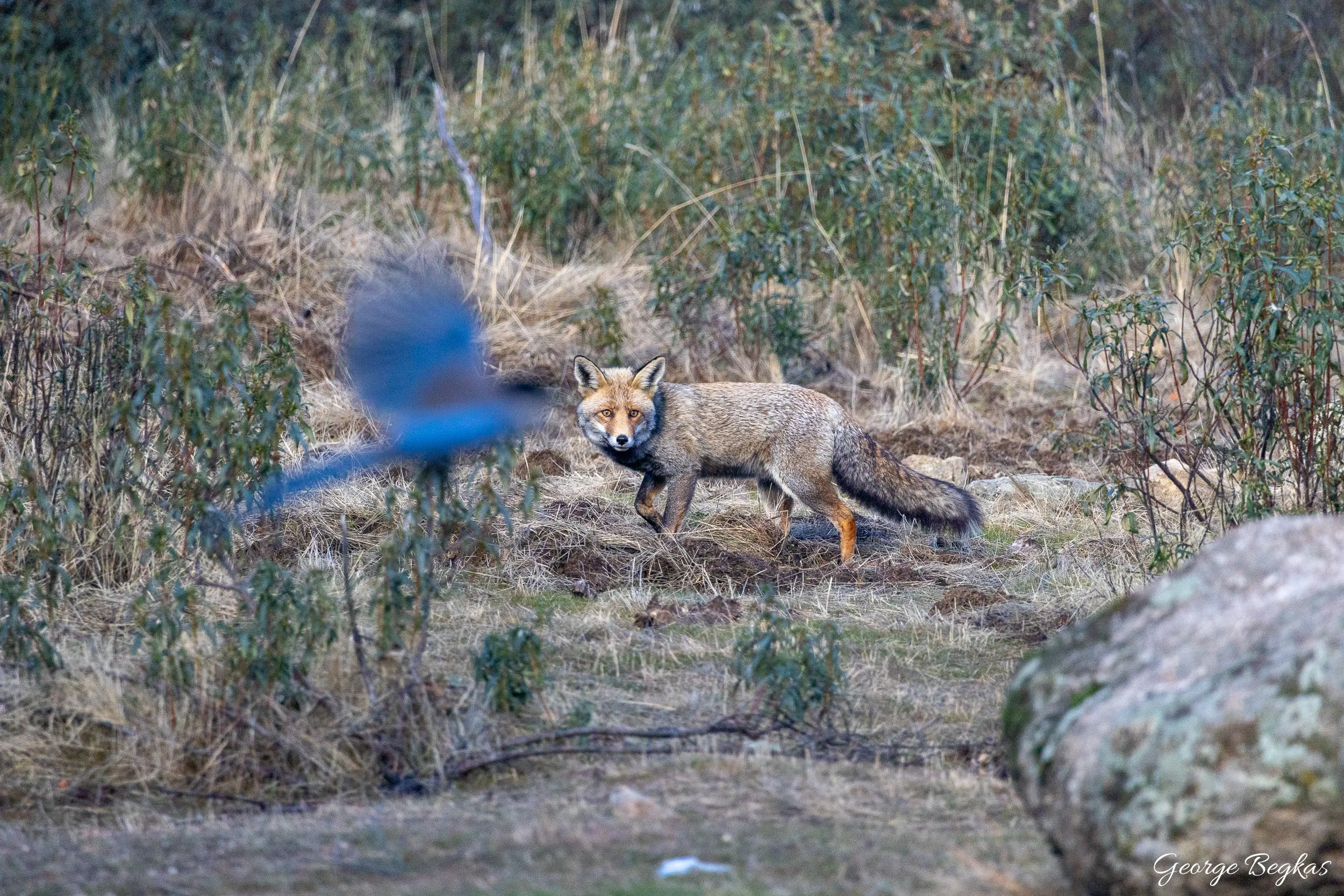
Magpies, ravens, red foxes, red kites, and, of course, the Spanish Imperial Eagle were among the many species I had the opportunity to observe and photograph. Yet the most unforgettable moment came when roughly 30 to 40 Black and Egyptian vultures suddenly descended from behind the hide and gathered in front of us to clean up the remains left by the other wildlife. The scene unfolded in seconds and was unlike anything I had witnessed before, making it one of the highlights of the entire trip.
Hide photography is not for everyone. Spending eight or nine hours in silence can be challenging, and the hardest part is often the waiting. As someone who cherishes silence, I found the quiet easy to handle, though there were moments when patience was tested.
Overall, it was a fantastic experience, and I can’t wait for the opportunity to visit similar hides elsewhere in the future.
All photographs were captured using my Canon EOS R6 Mark II on a small but steady travel tripod, paired with my own Canon RF 100–400mm F5.6–8 IS USM and a Canon EF 70–200mm f/2.8L IS III USM lens that I borrowed from the group.