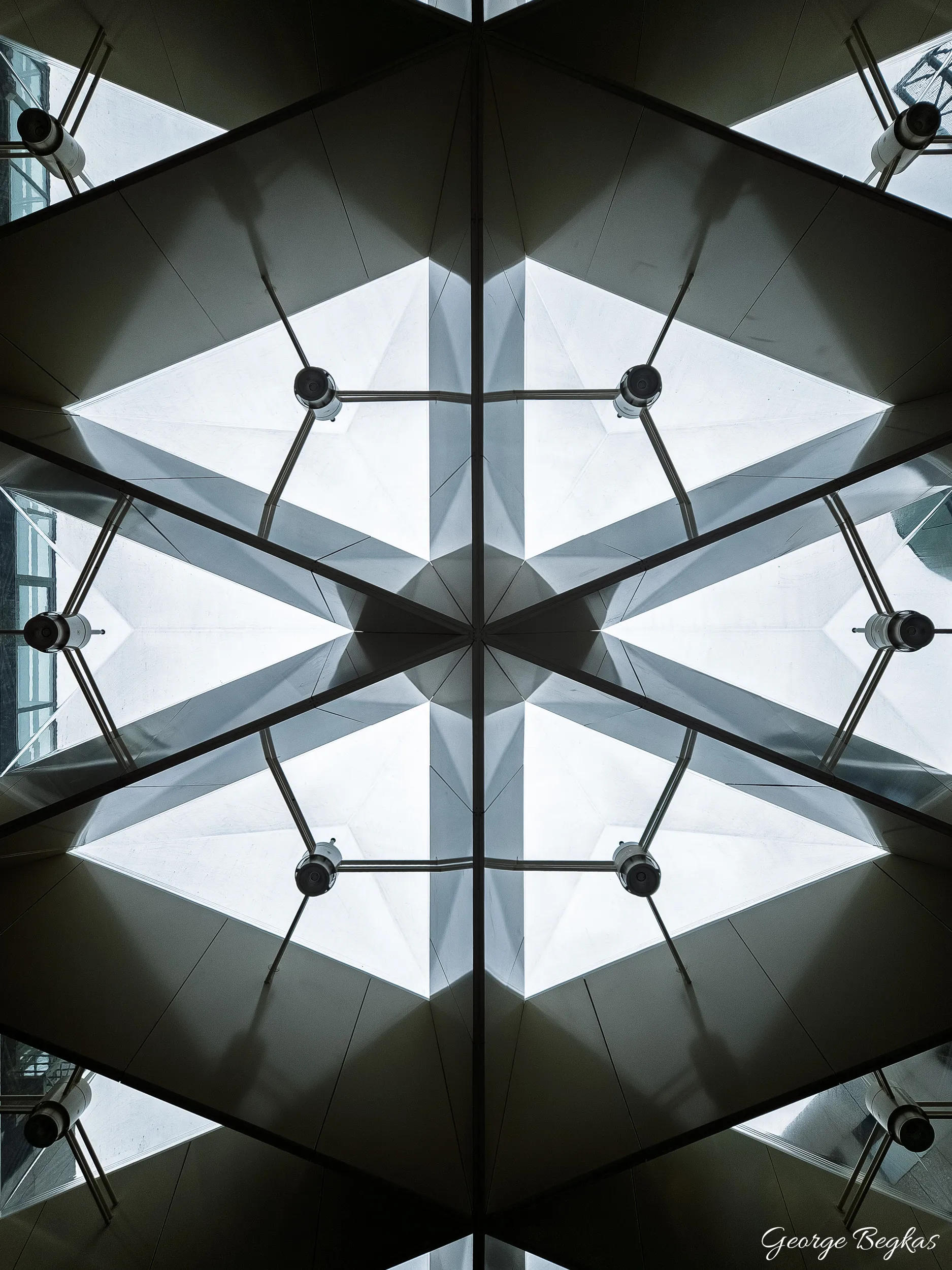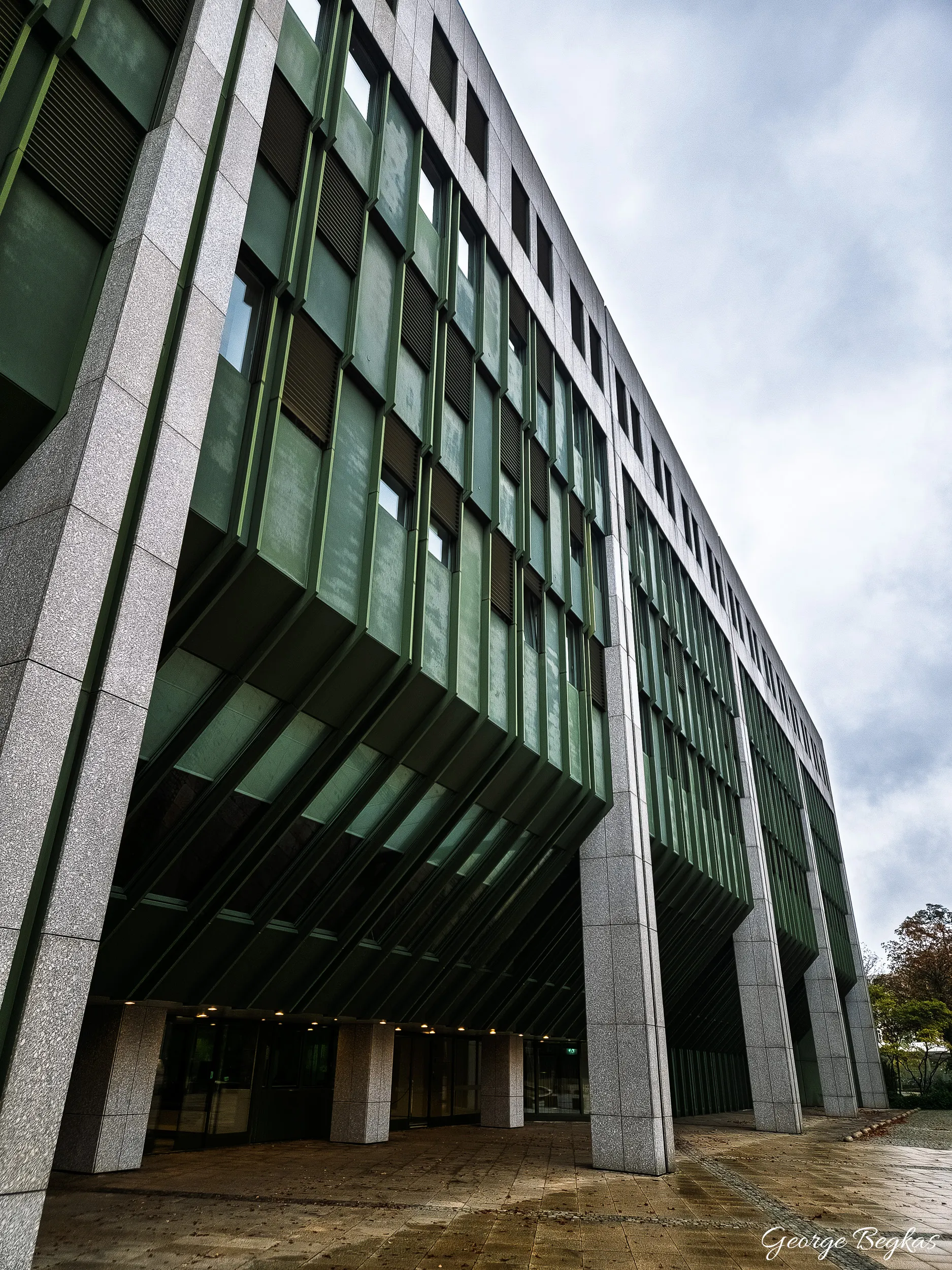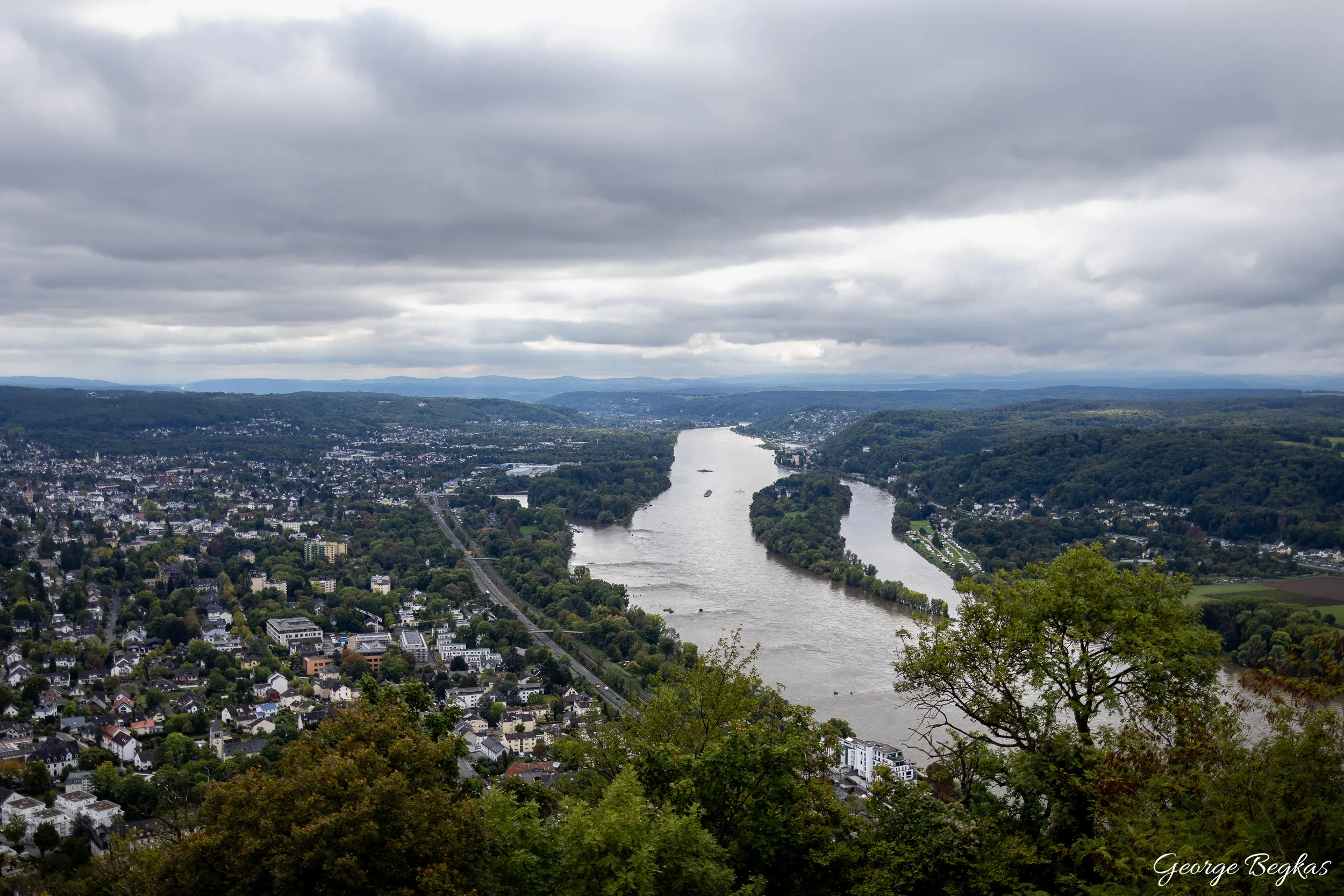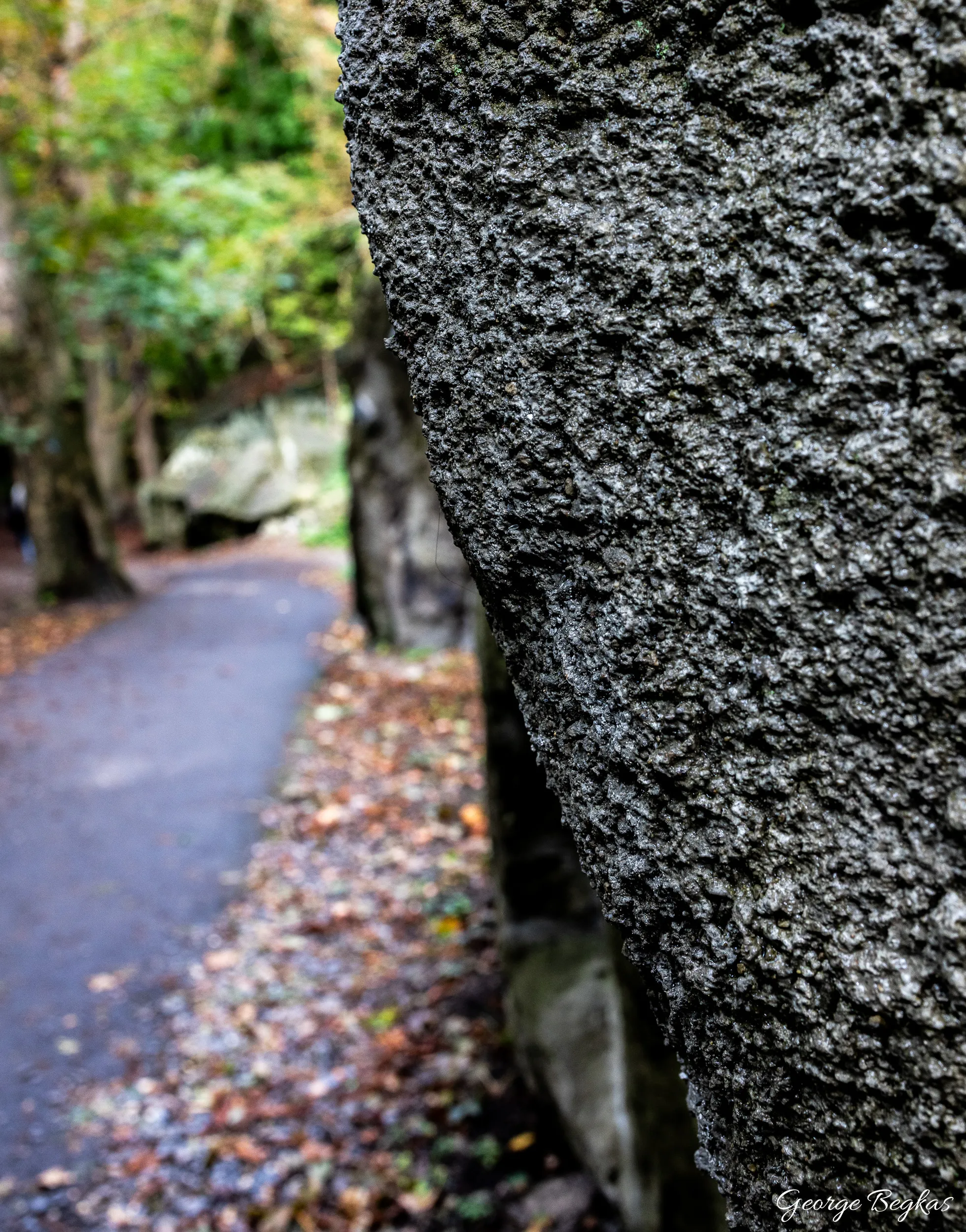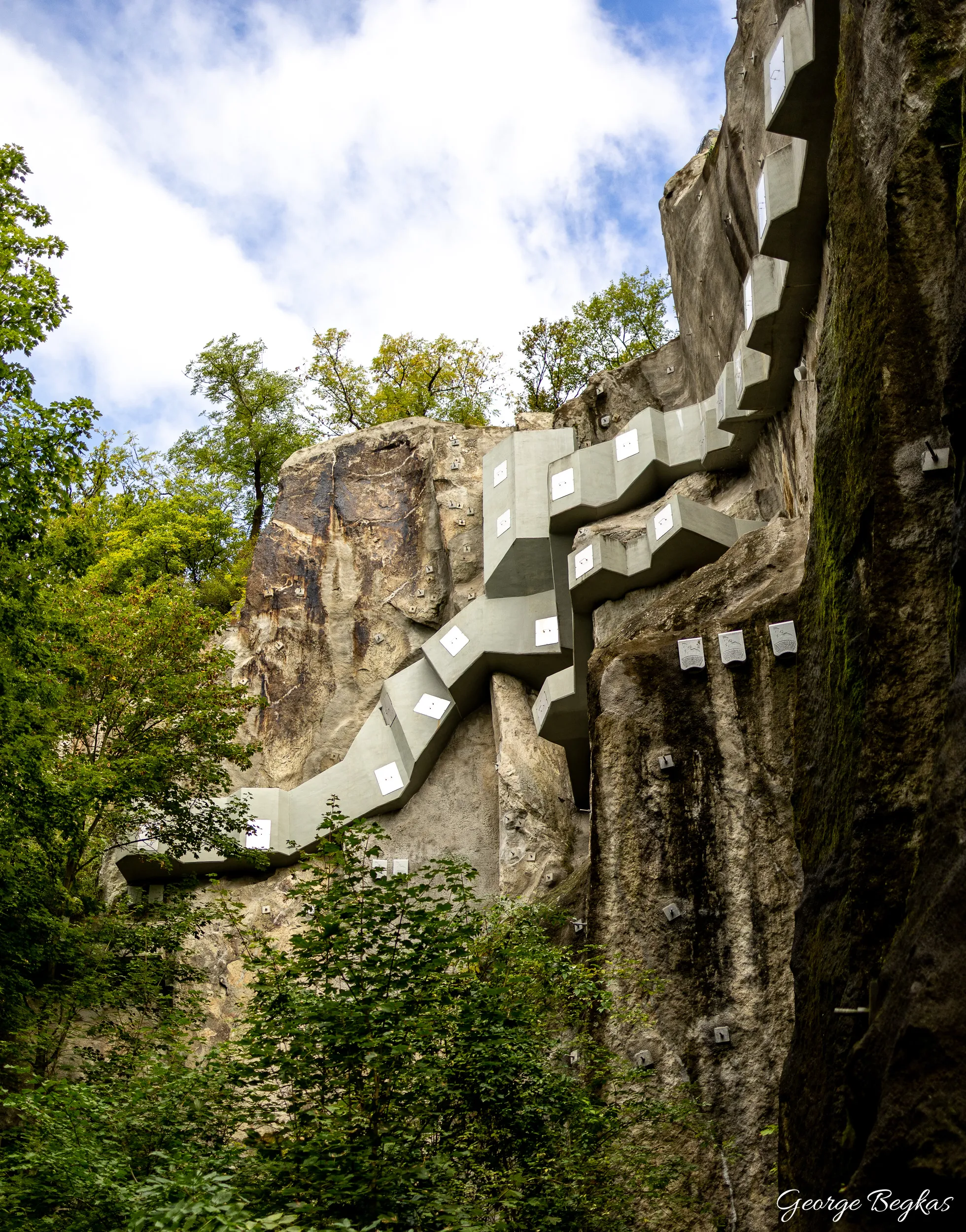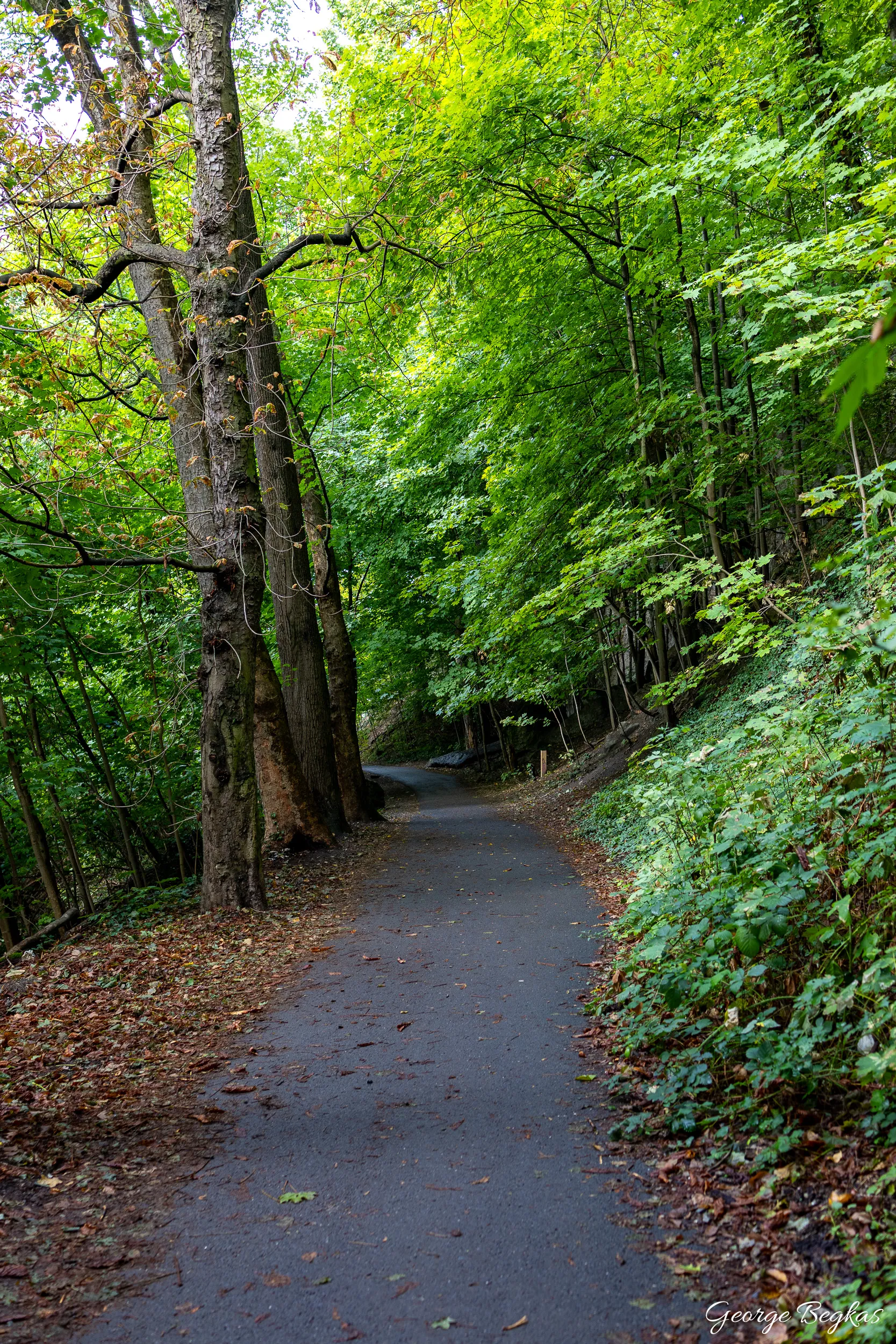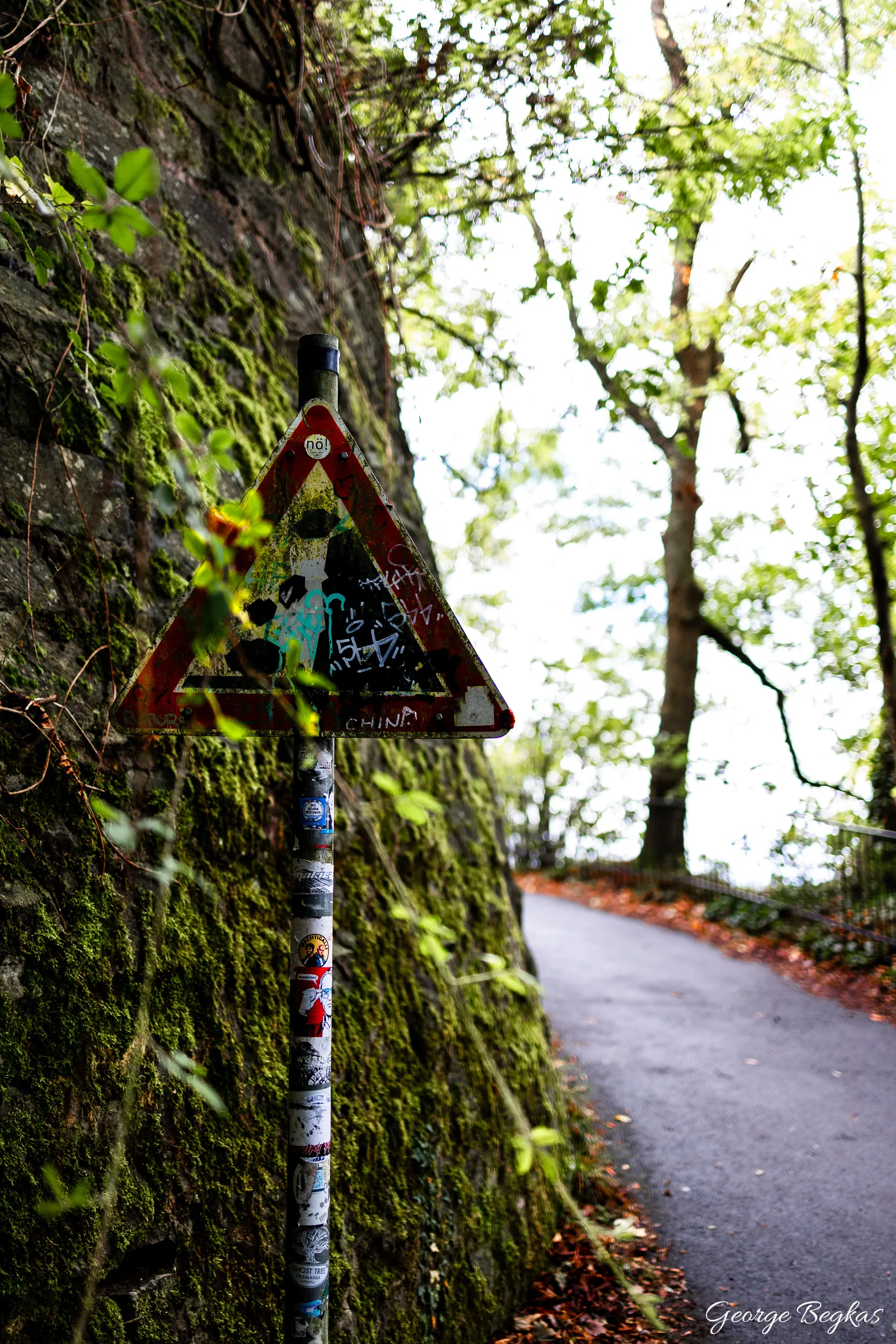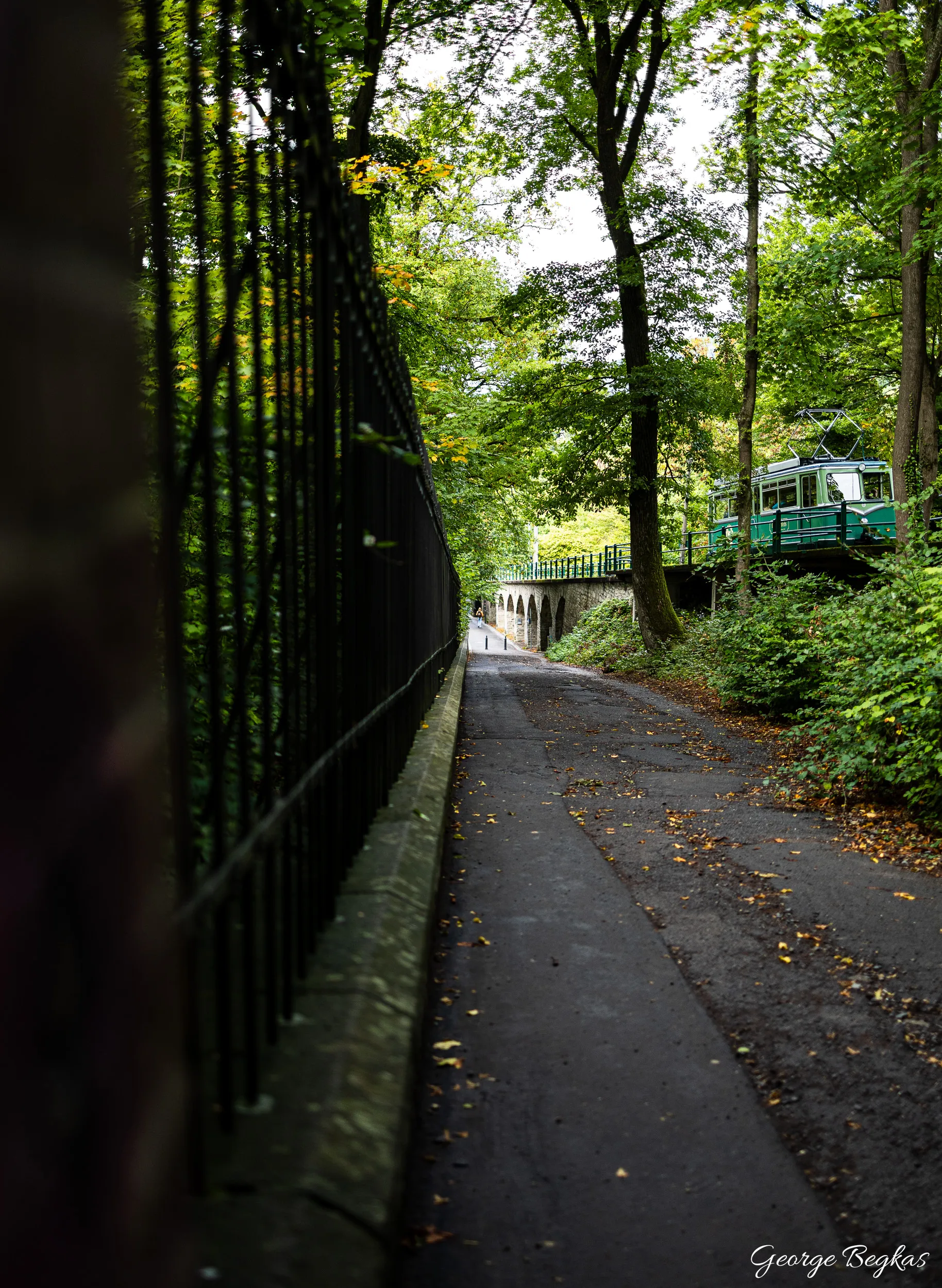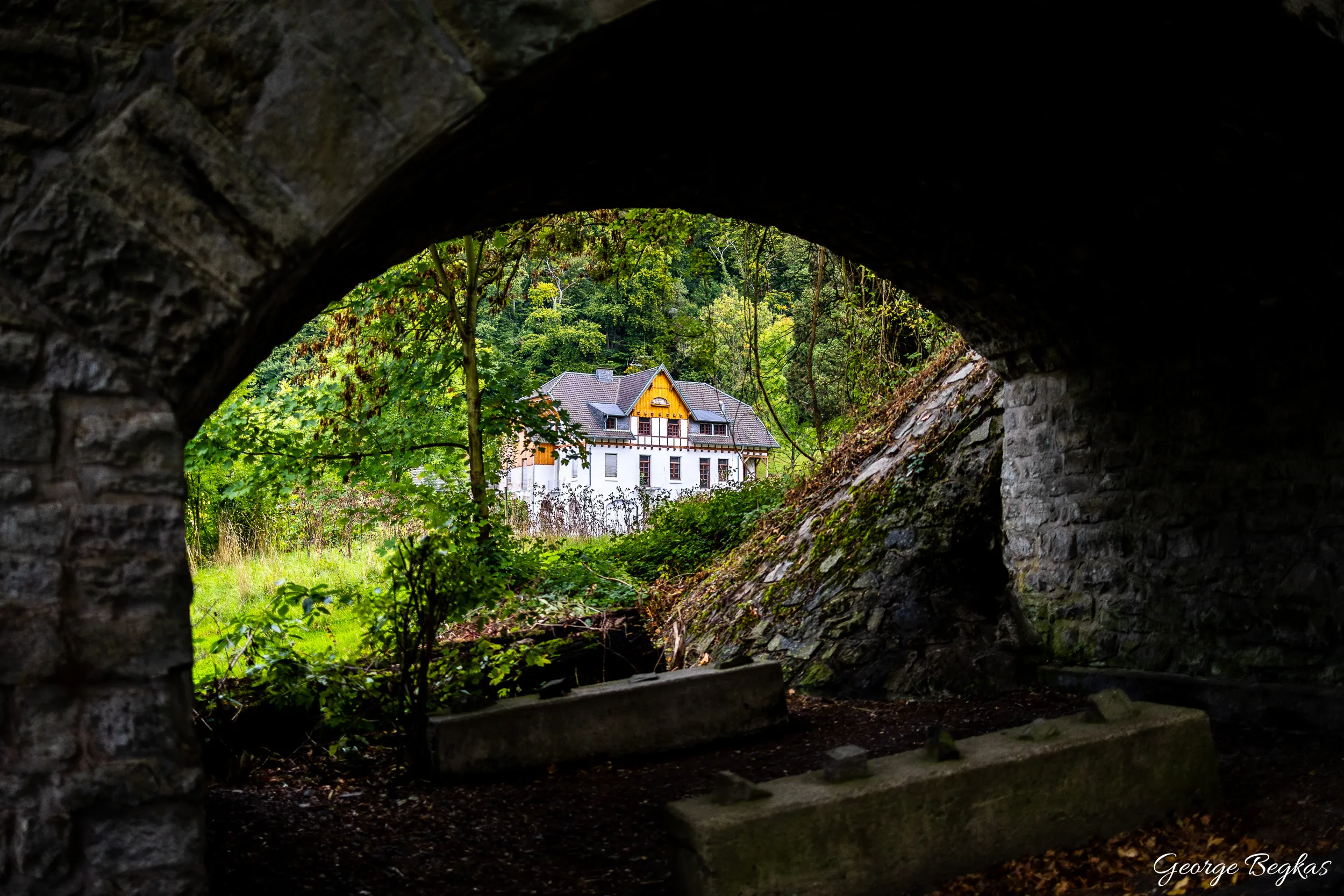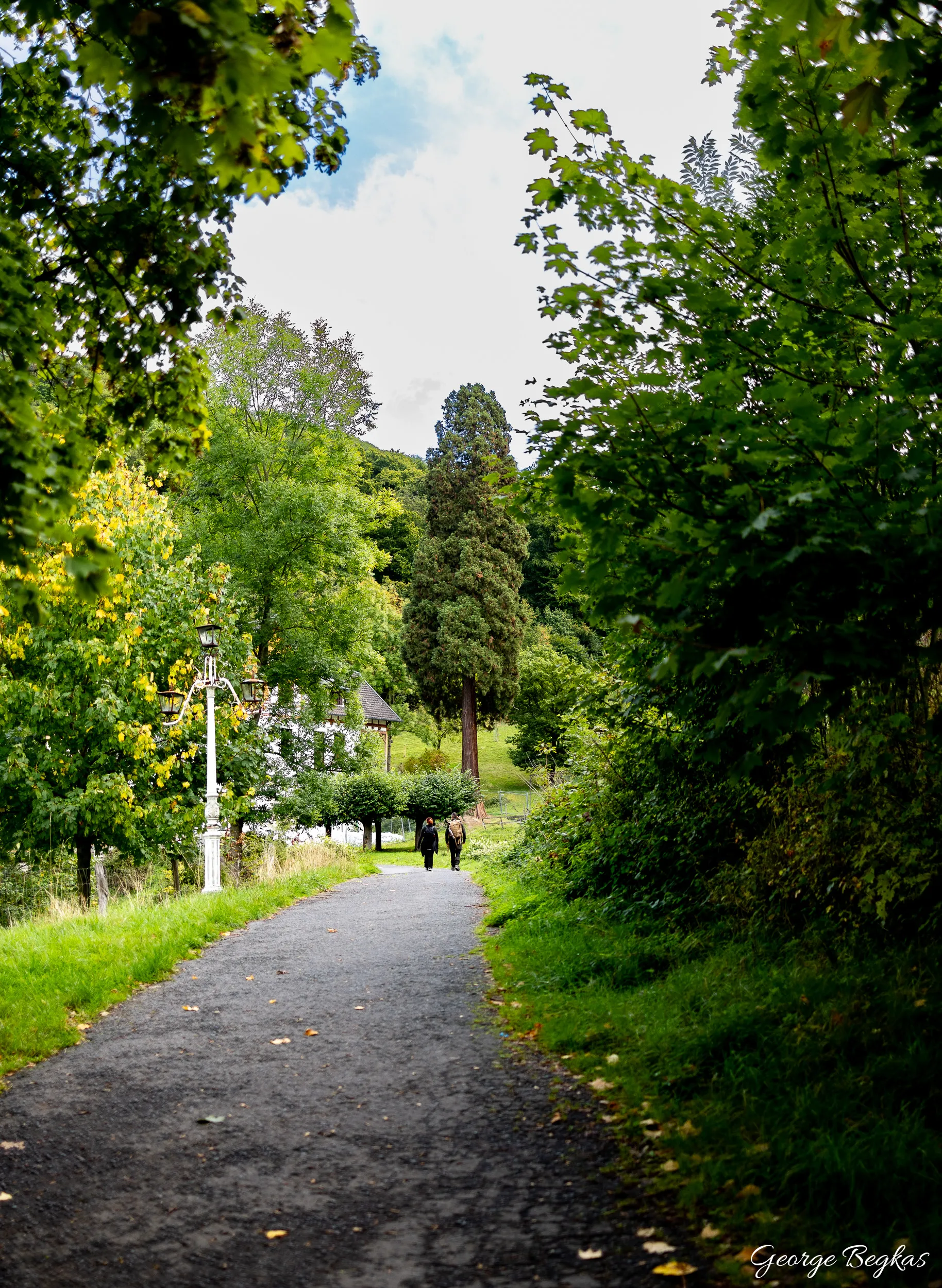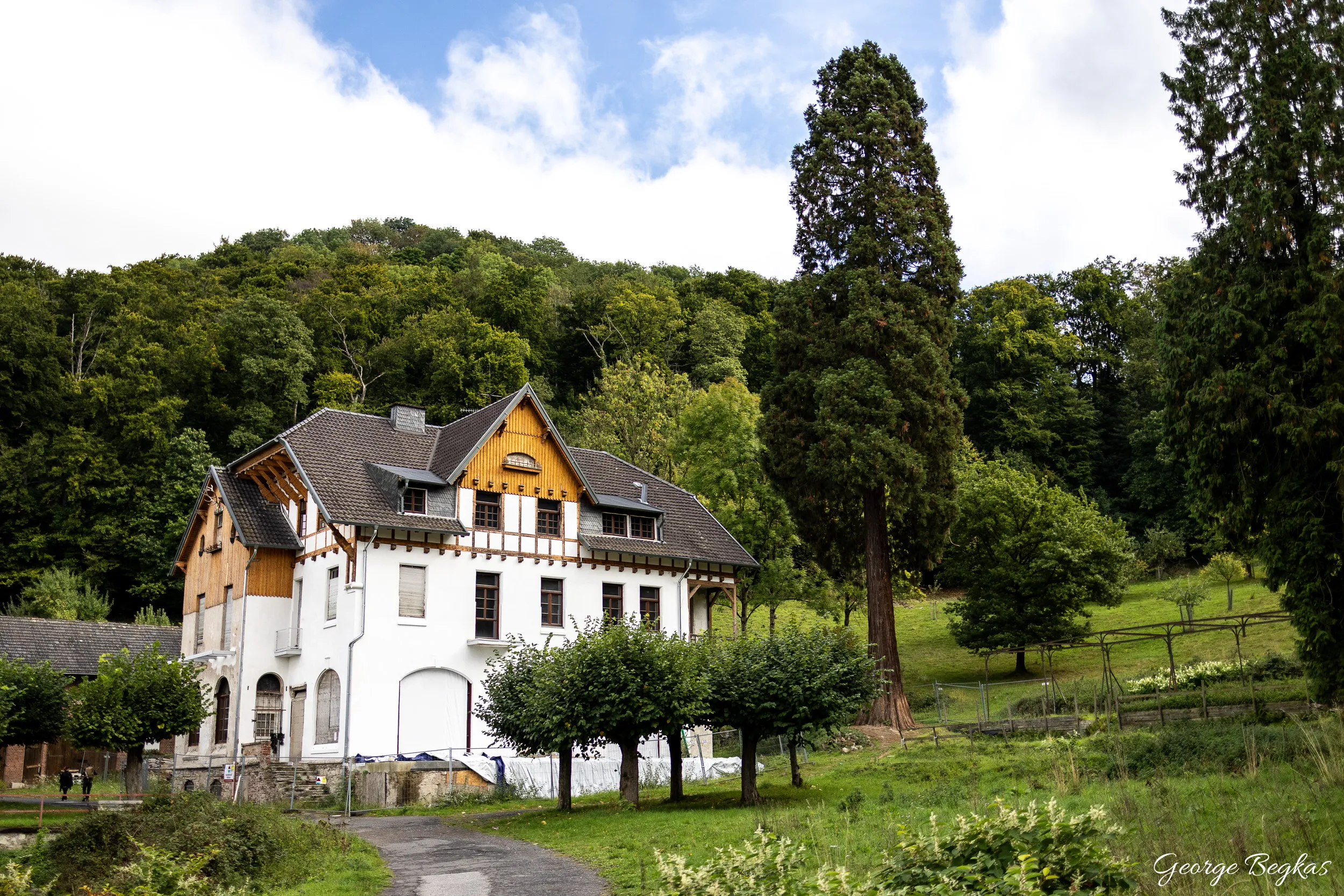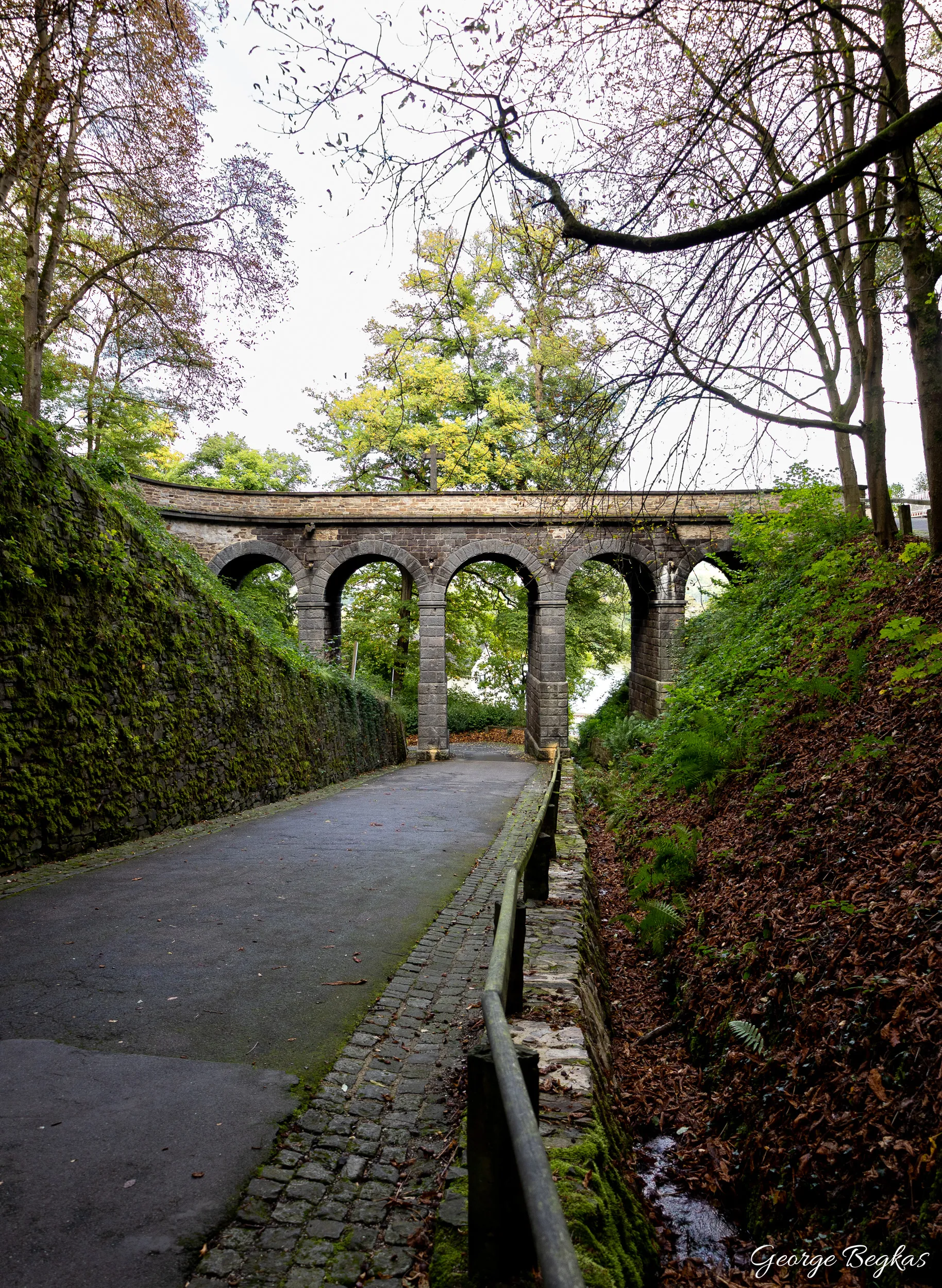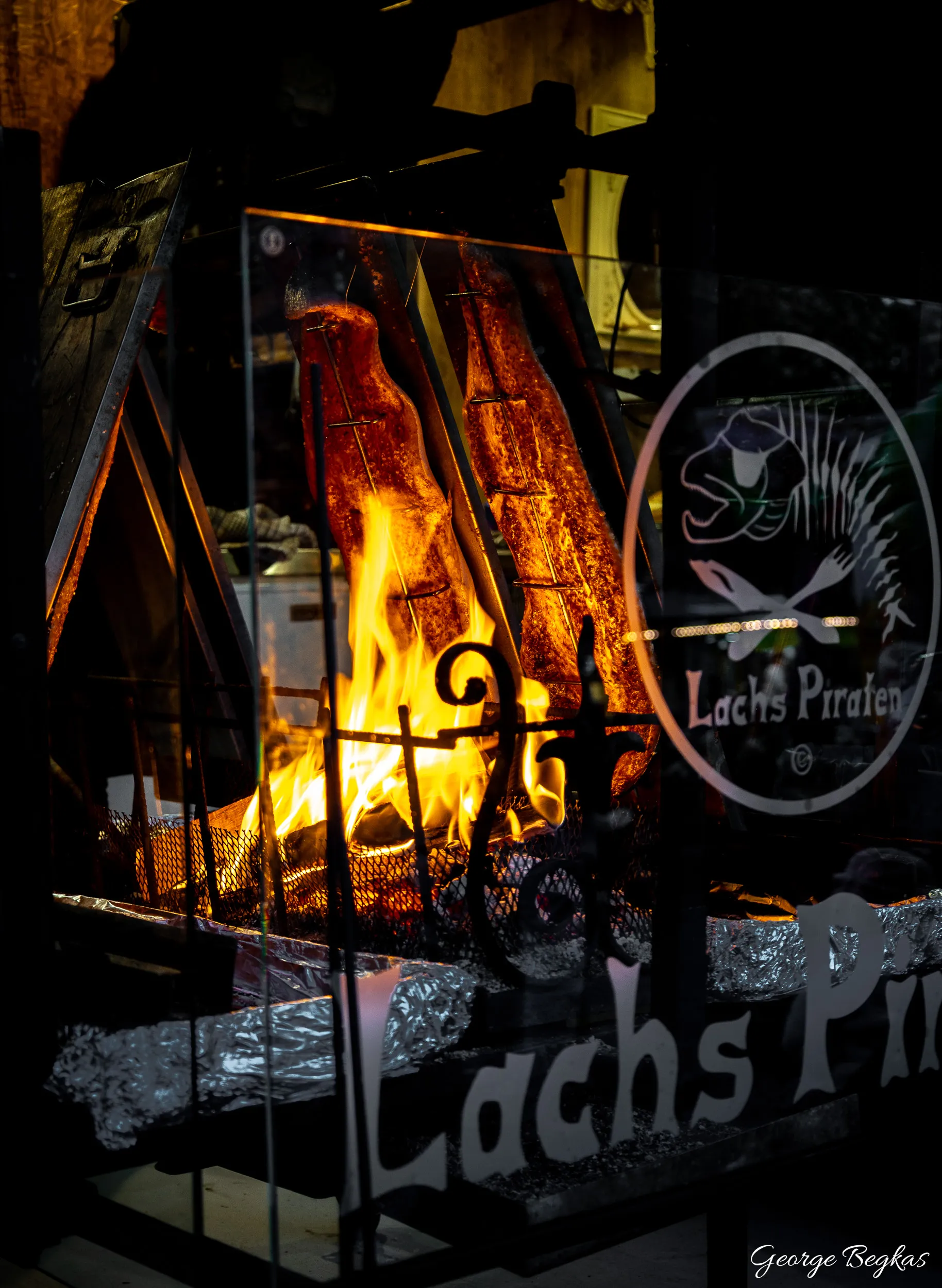
In 2025, a few friends and I joined Code for Earth as a team, a hackathon organised by ECMWF. The challenge focused on developing a solution to an Earth observation problem, which closely aligned with my day-to-day work as a software engineer in Earth observation. I took part in my own time, though, as this was a personal project rather than something connected to my day job. The final day was held at ECMWF’s offices in Bonn, Germany, so I decided to stay for a couple of extra days and explore the area. As usual, my photography gear came with me. I take it whenever I travel, regardless of what the actual plan is. This time, though, I decided to do something I hadn’t really done before: research the area specifically for photography and plan an itinerary around some of the most recommended landscape locations for early autumn.
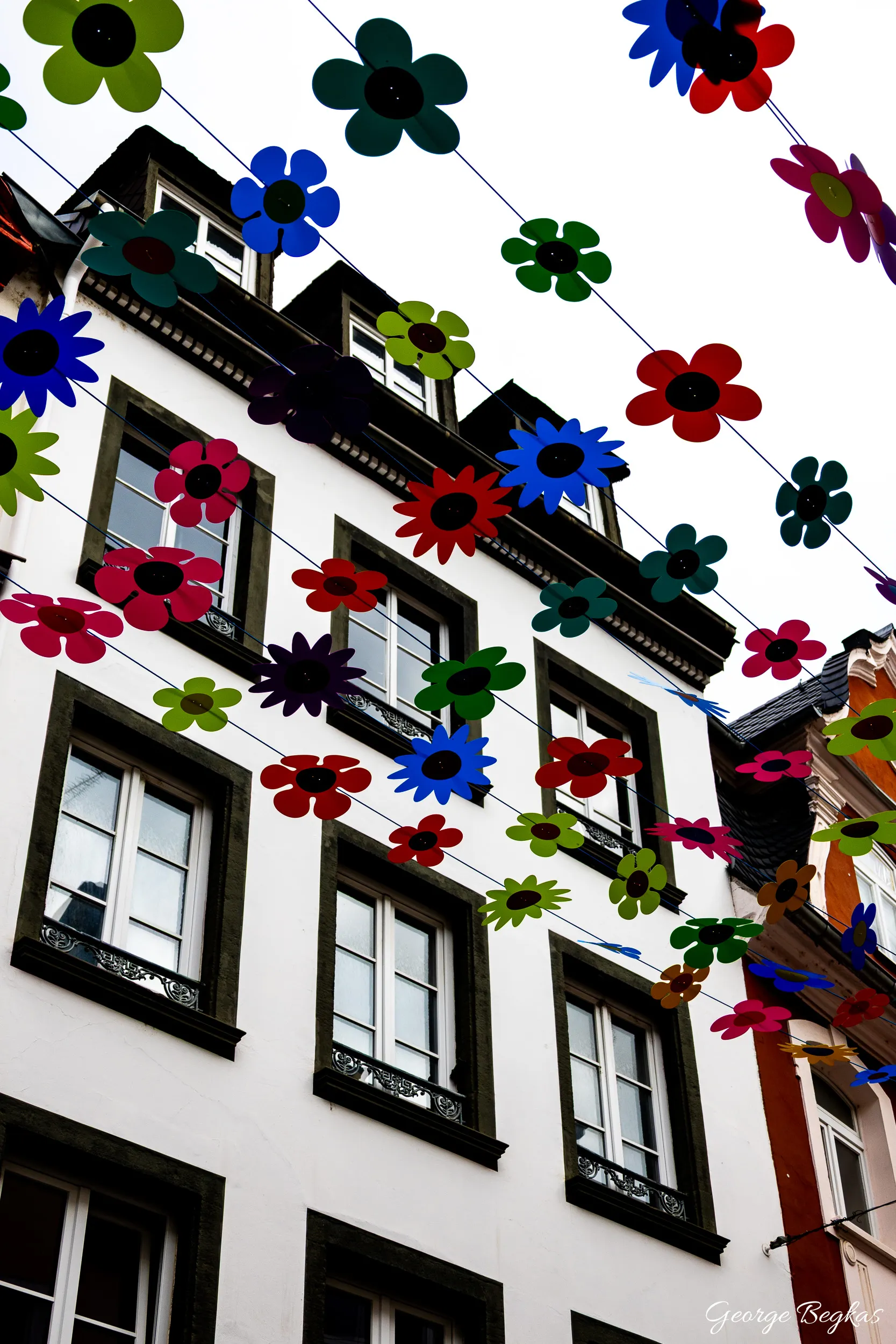
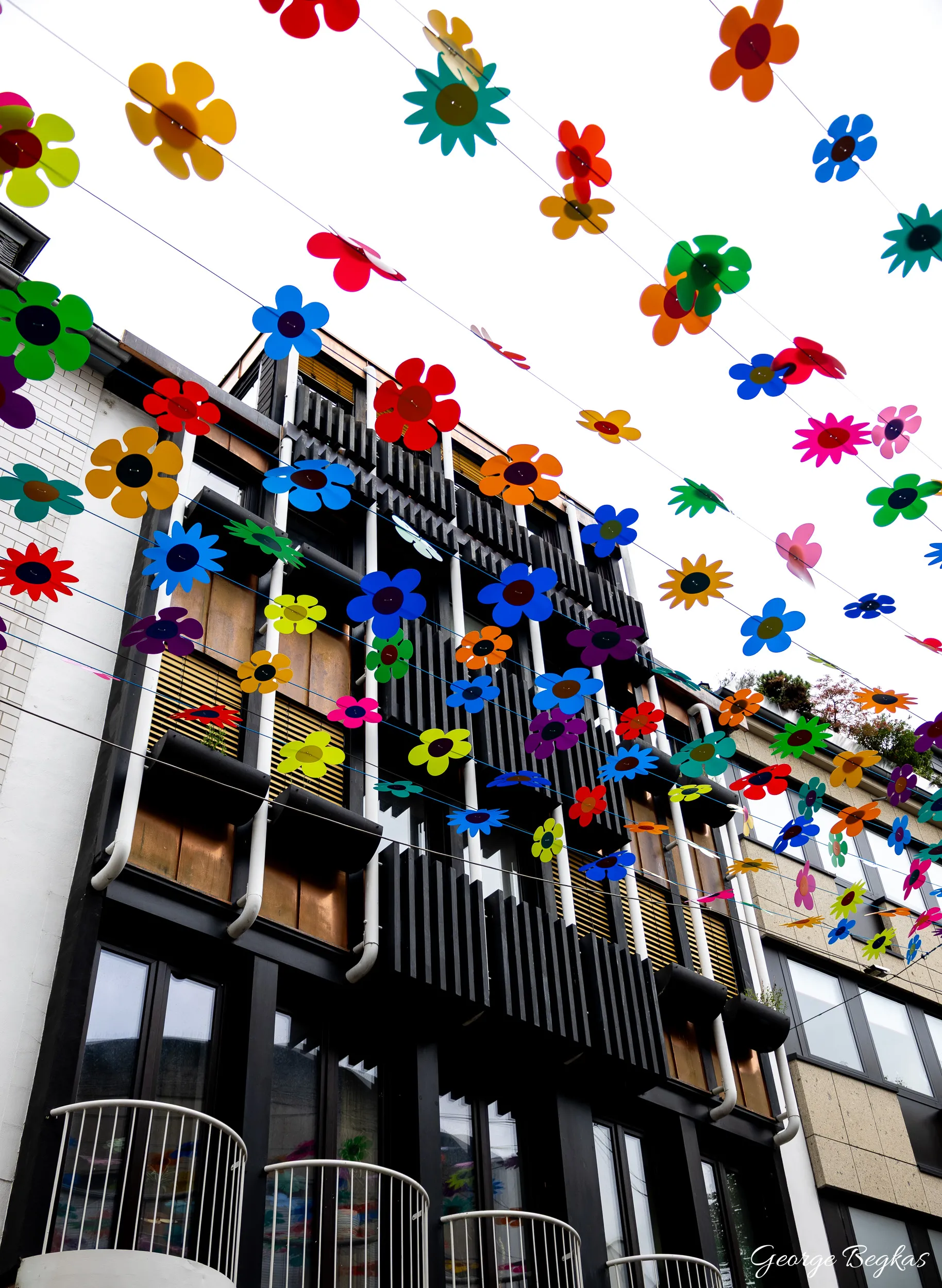
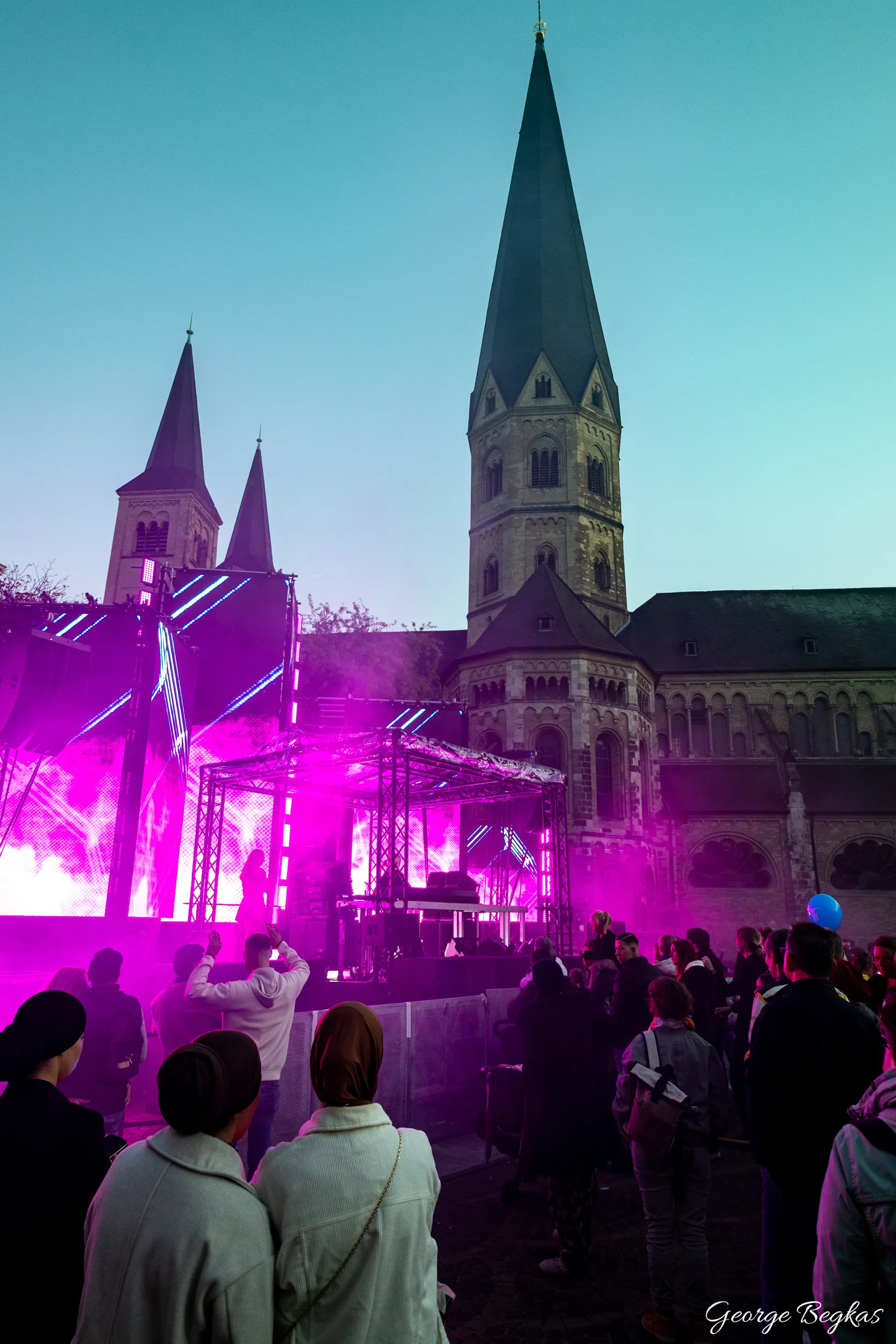
I started in Bonn, where a festival was taking place during my visit. The live music stages and other attractions made photographing the city itself a little more difficult, but that wasn’t really the main focus of the trip. I was more interested in getting out of the city and exploring the landscapes around the Rhine.
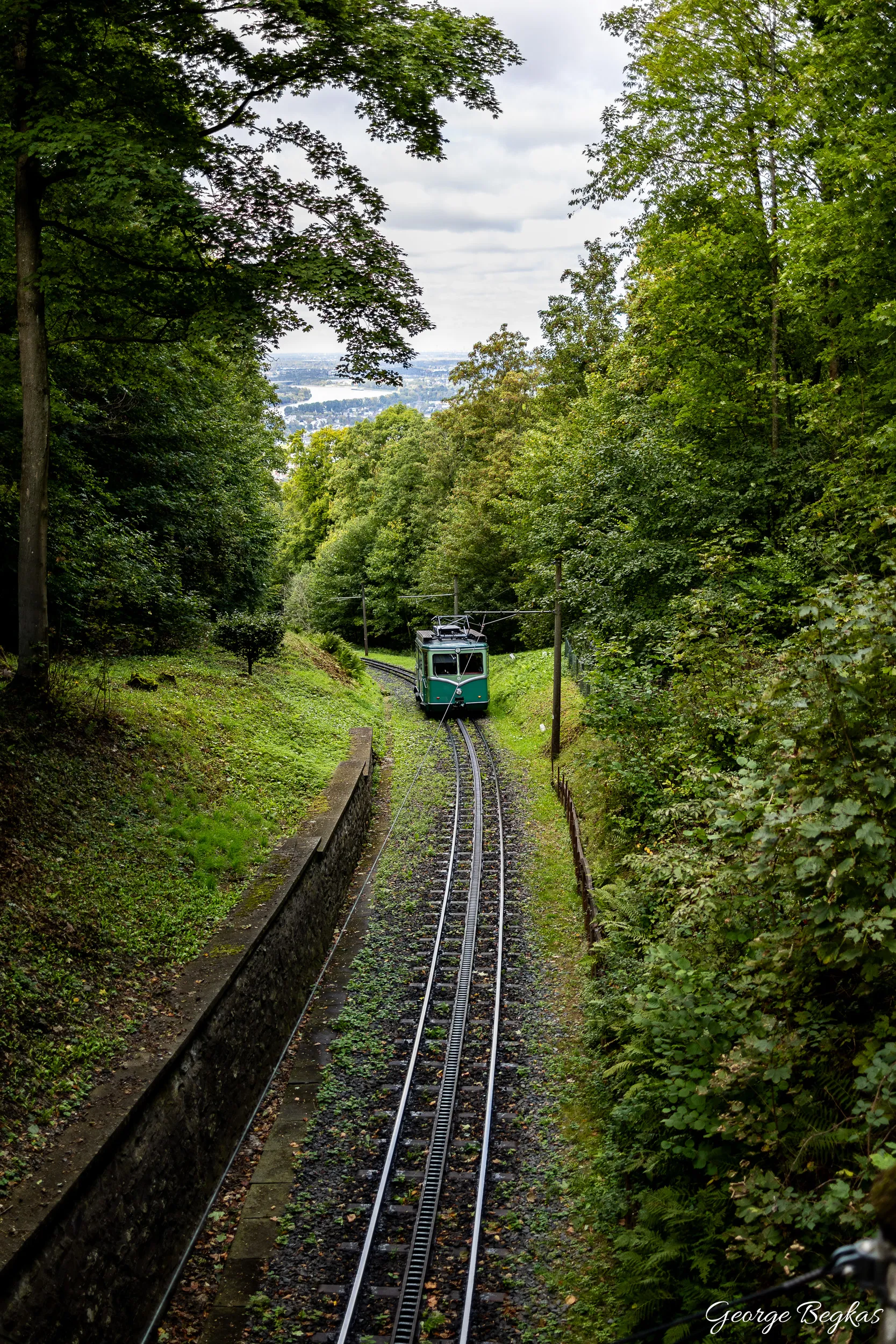
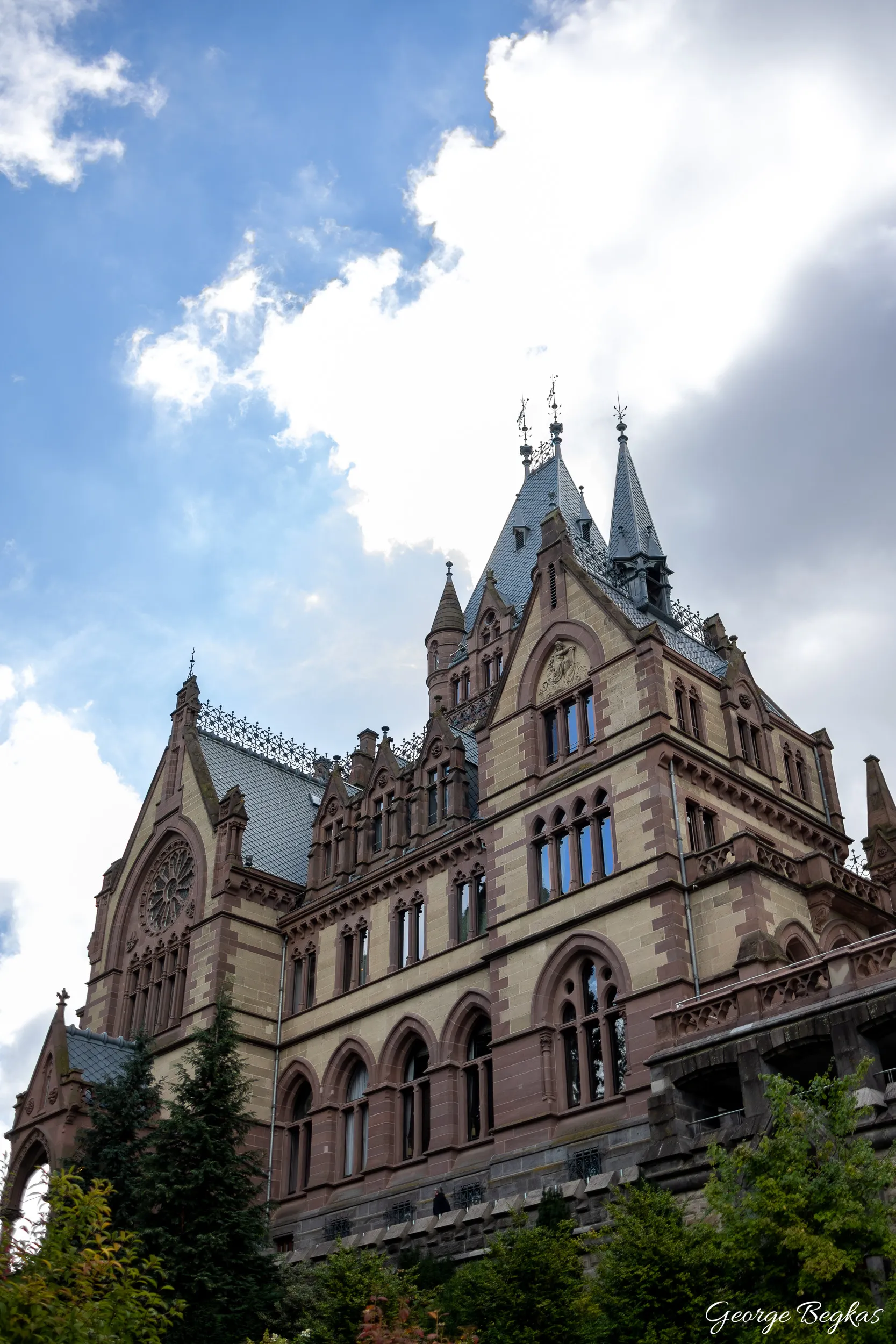
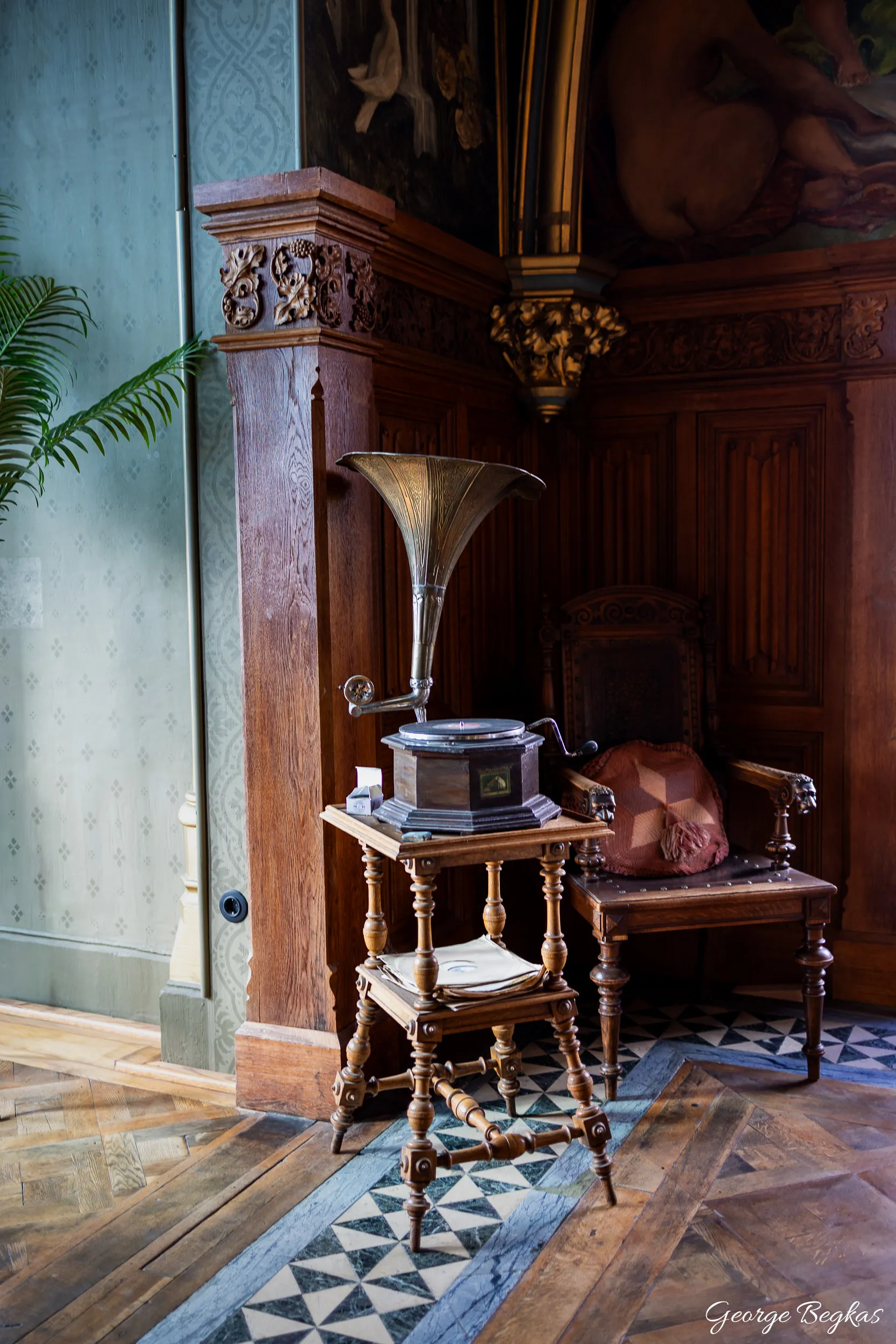
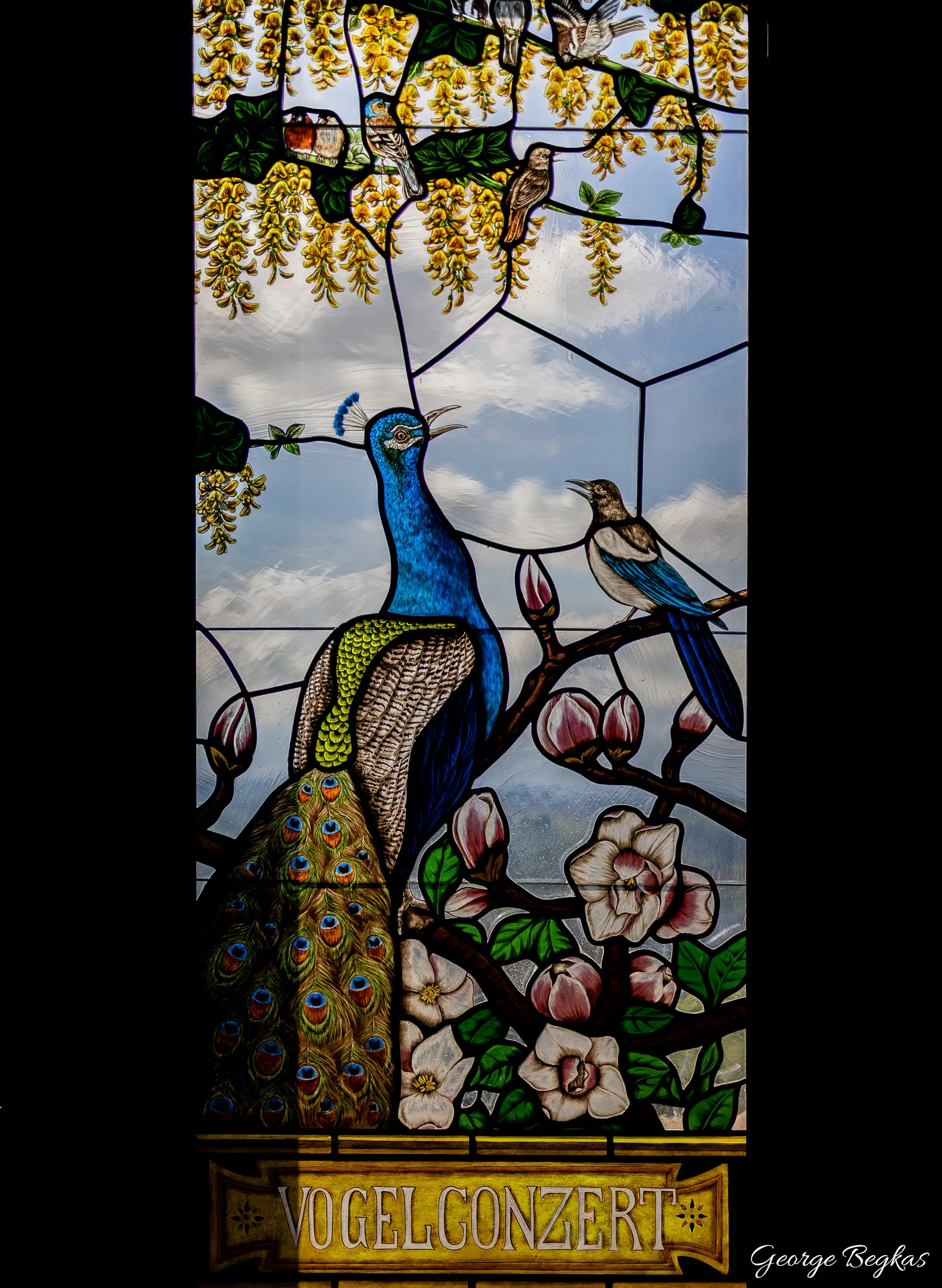
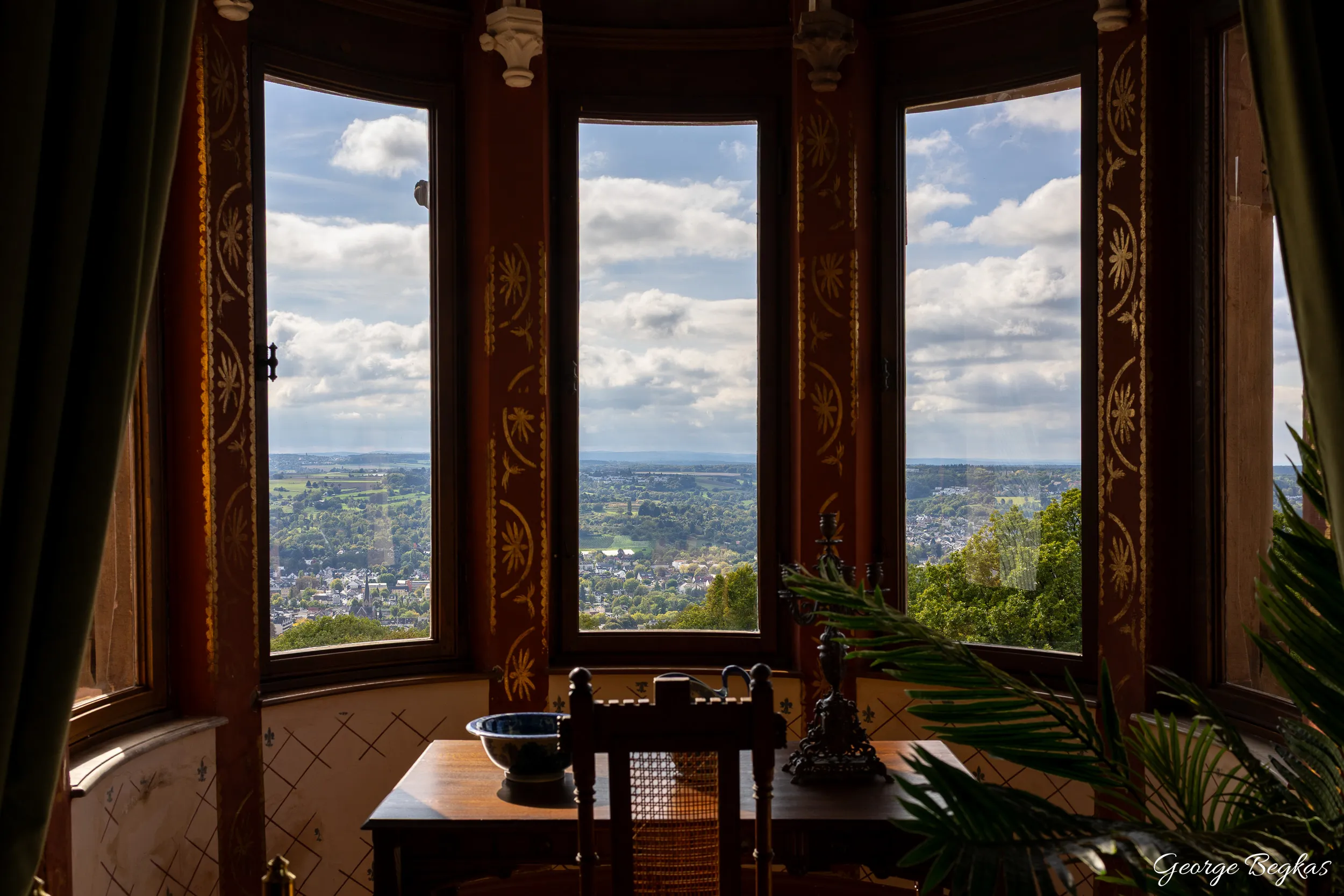
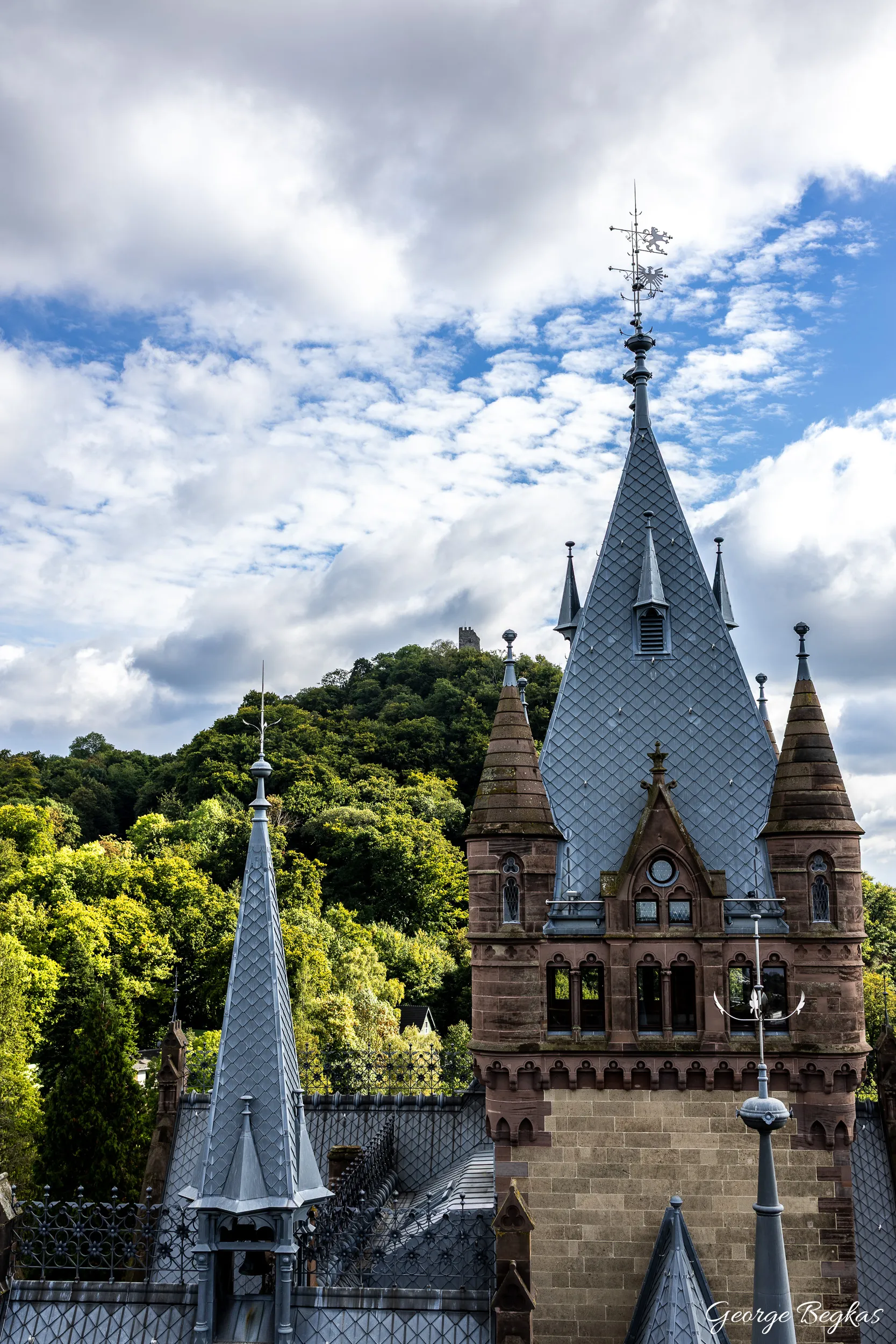
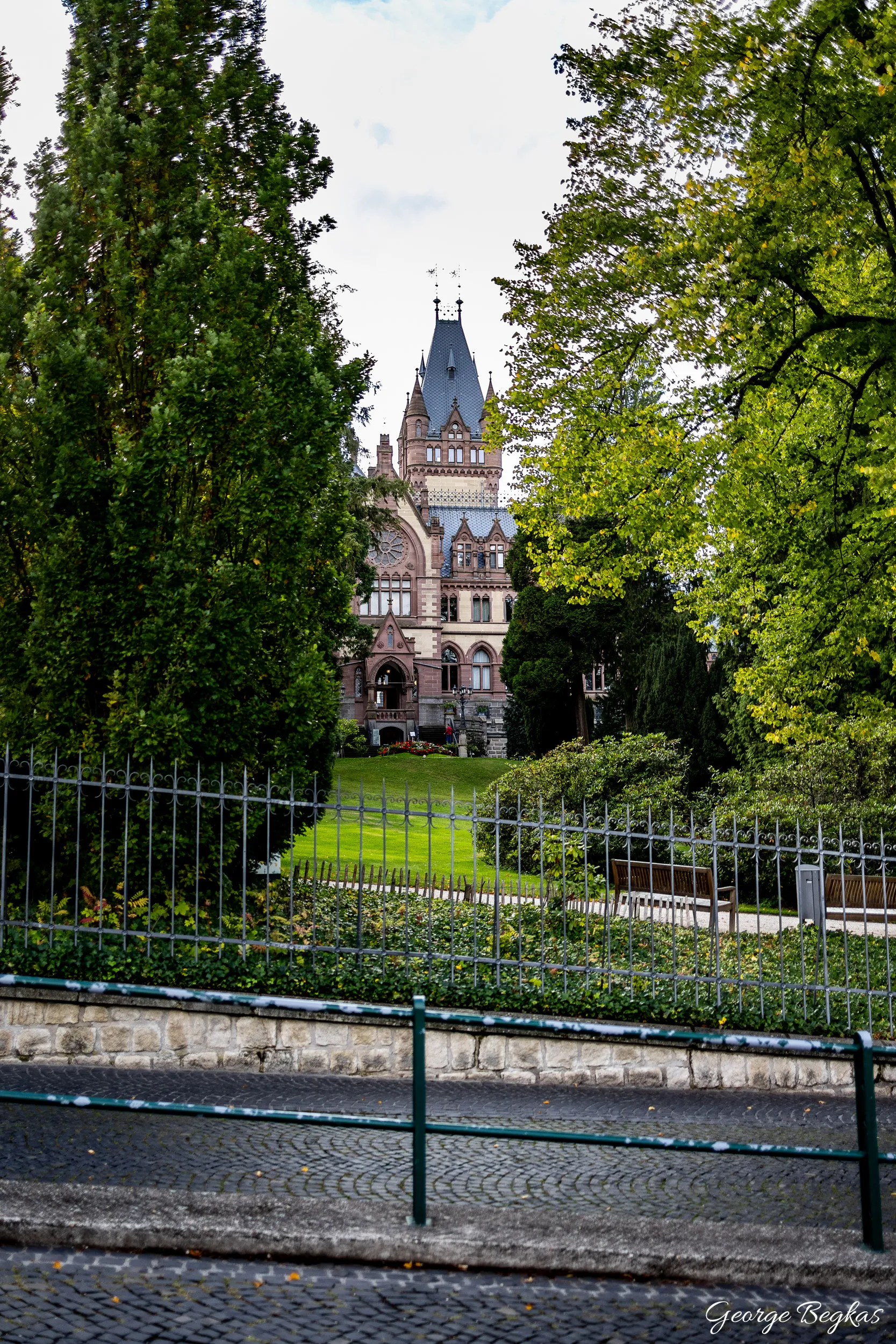
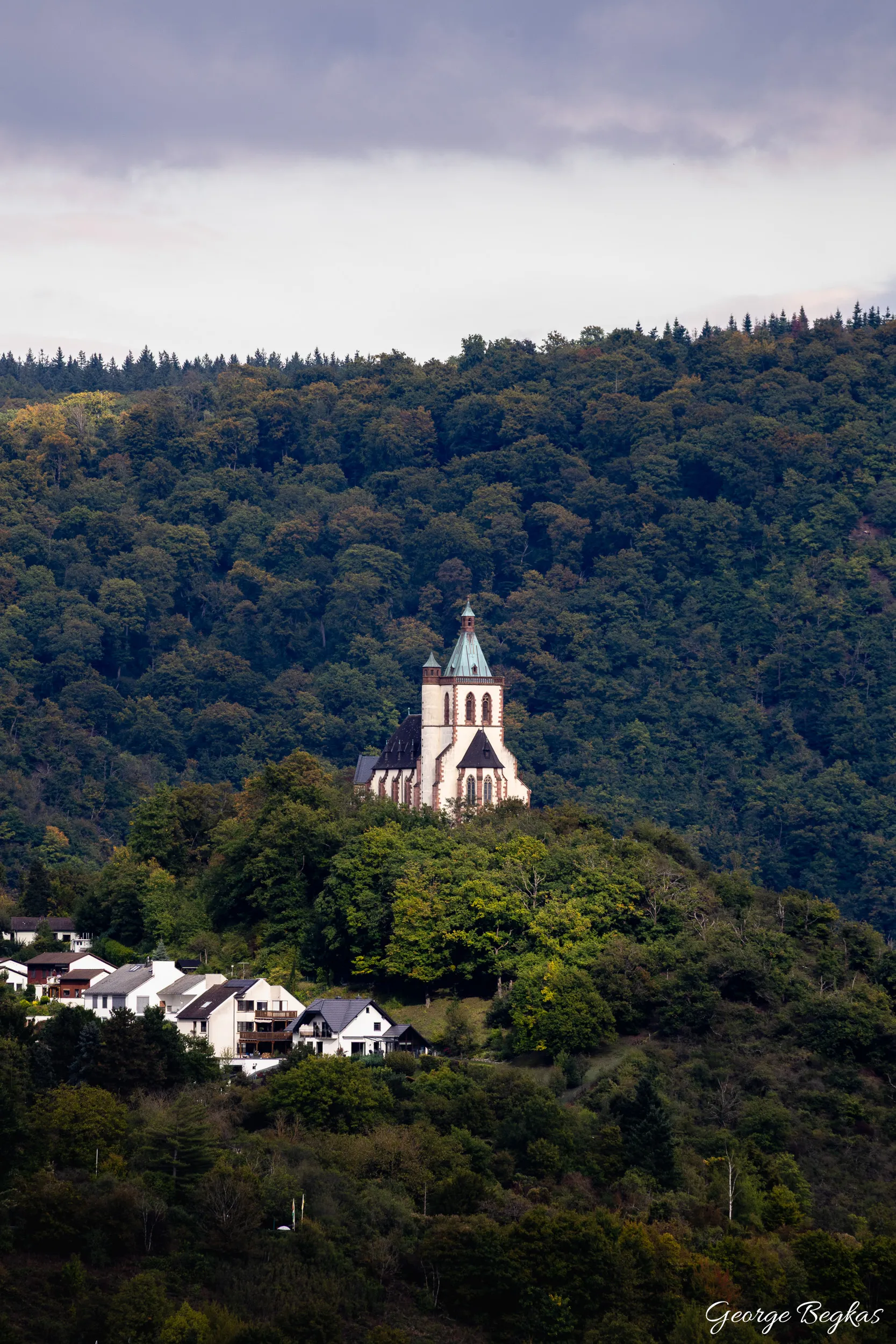
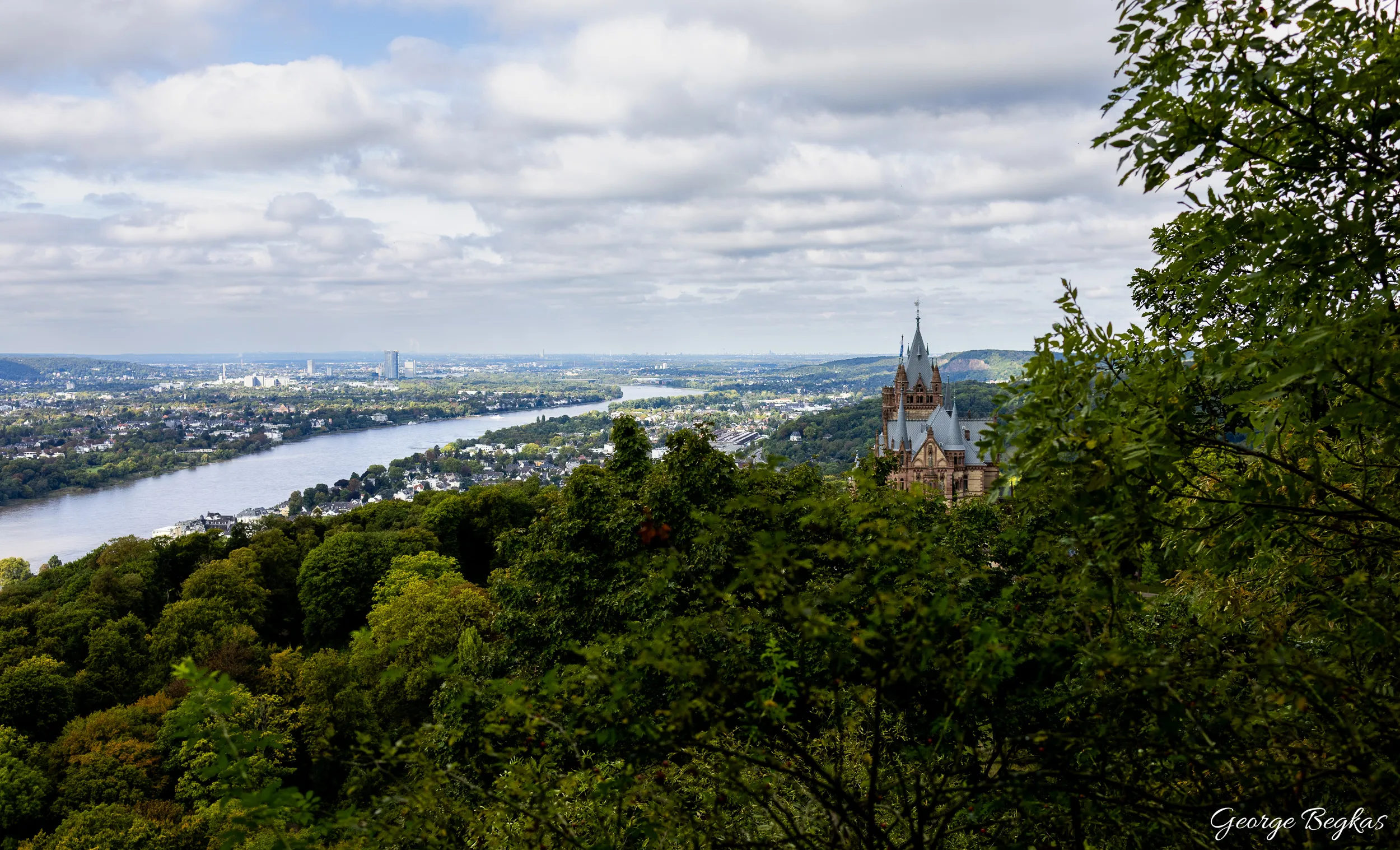
My first major stop was Königswinter, where I had two main targets: Schloss Drachenburg and Burg Drachenfels. Both sit on the Drachenfels above the Rhine and offer very different subjects. Schloss Drachenburg is an elaborate historic villa surrounded by woodland and gardens, while the ruins of Burg Drachenfels sit higher up the hill with views across the Rhine valley.
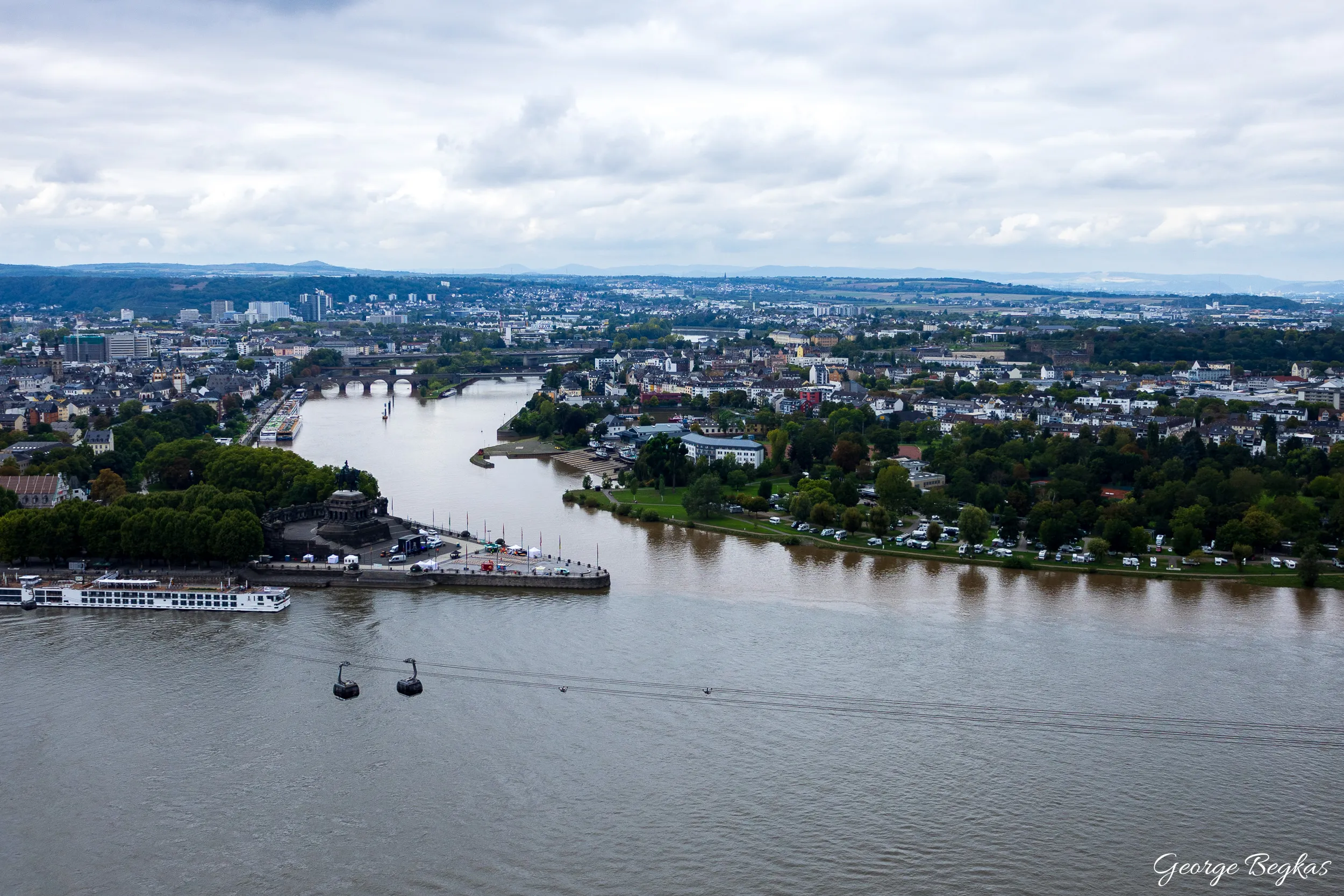
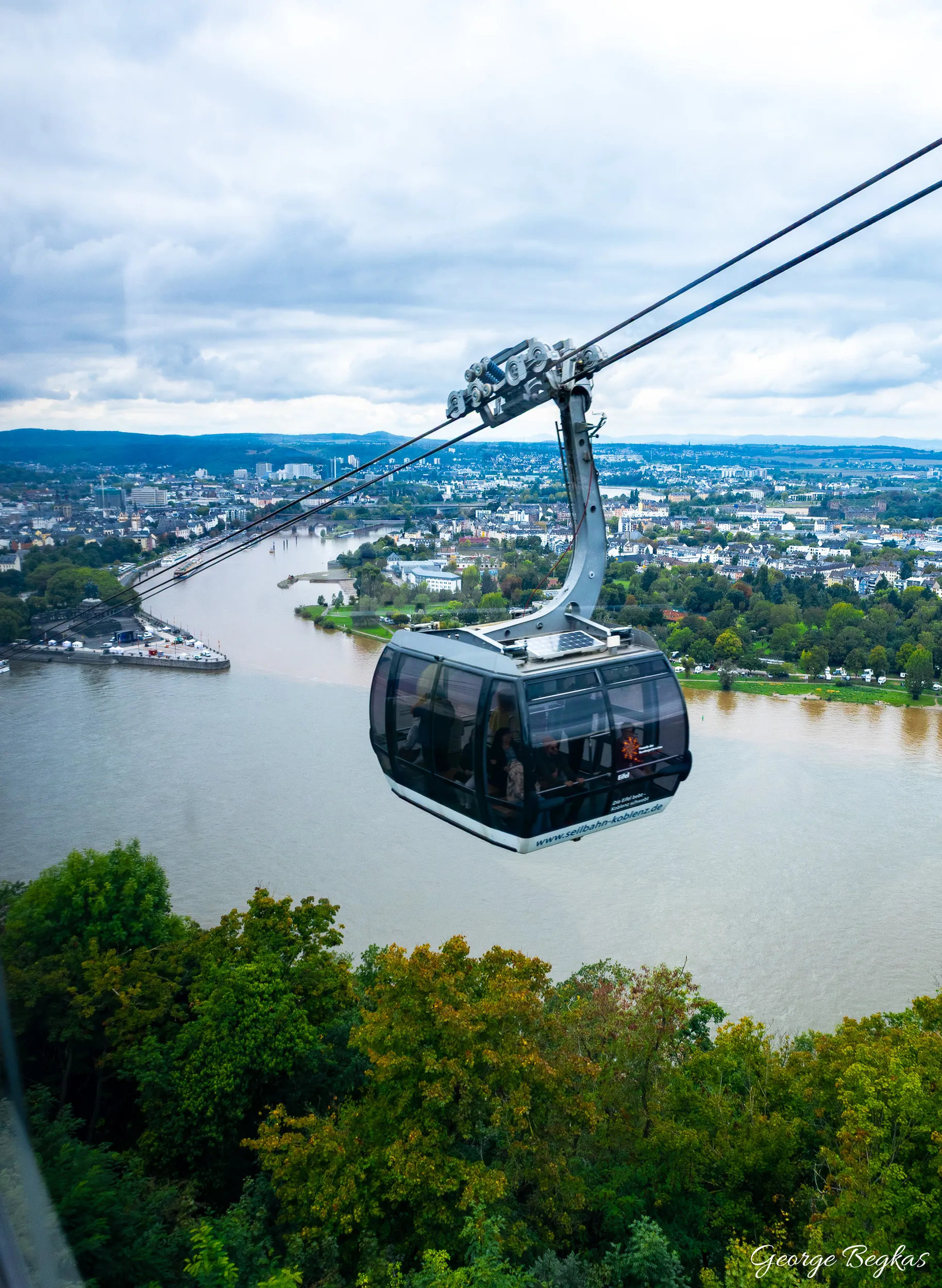
From there, I continued to Koblenz, another location I had specifically chosen for its photographic potential. I took the cable car across the Rhine to Ehrenbreitstein Fortress, with the view opening up below as the cabin climbed higher.
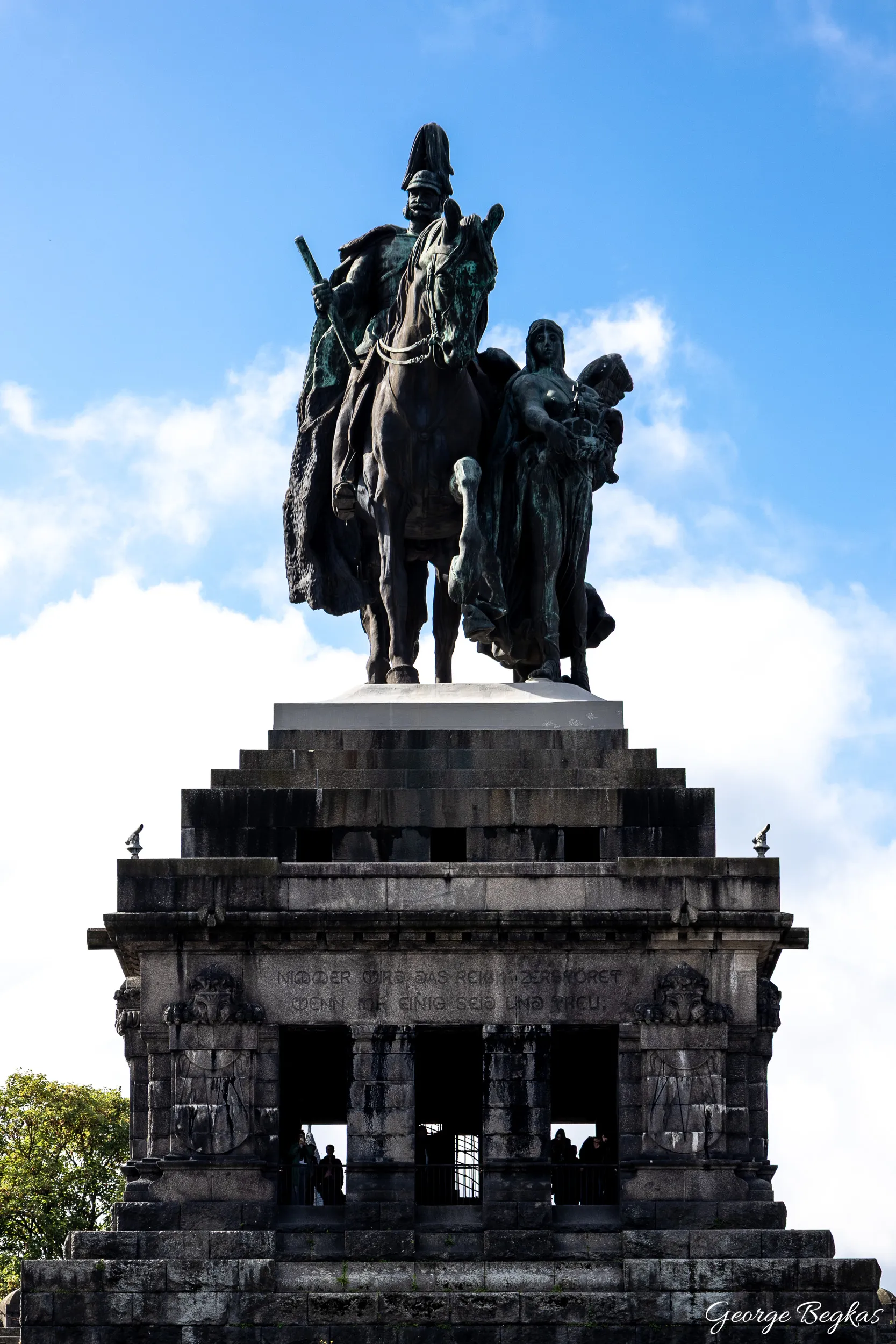
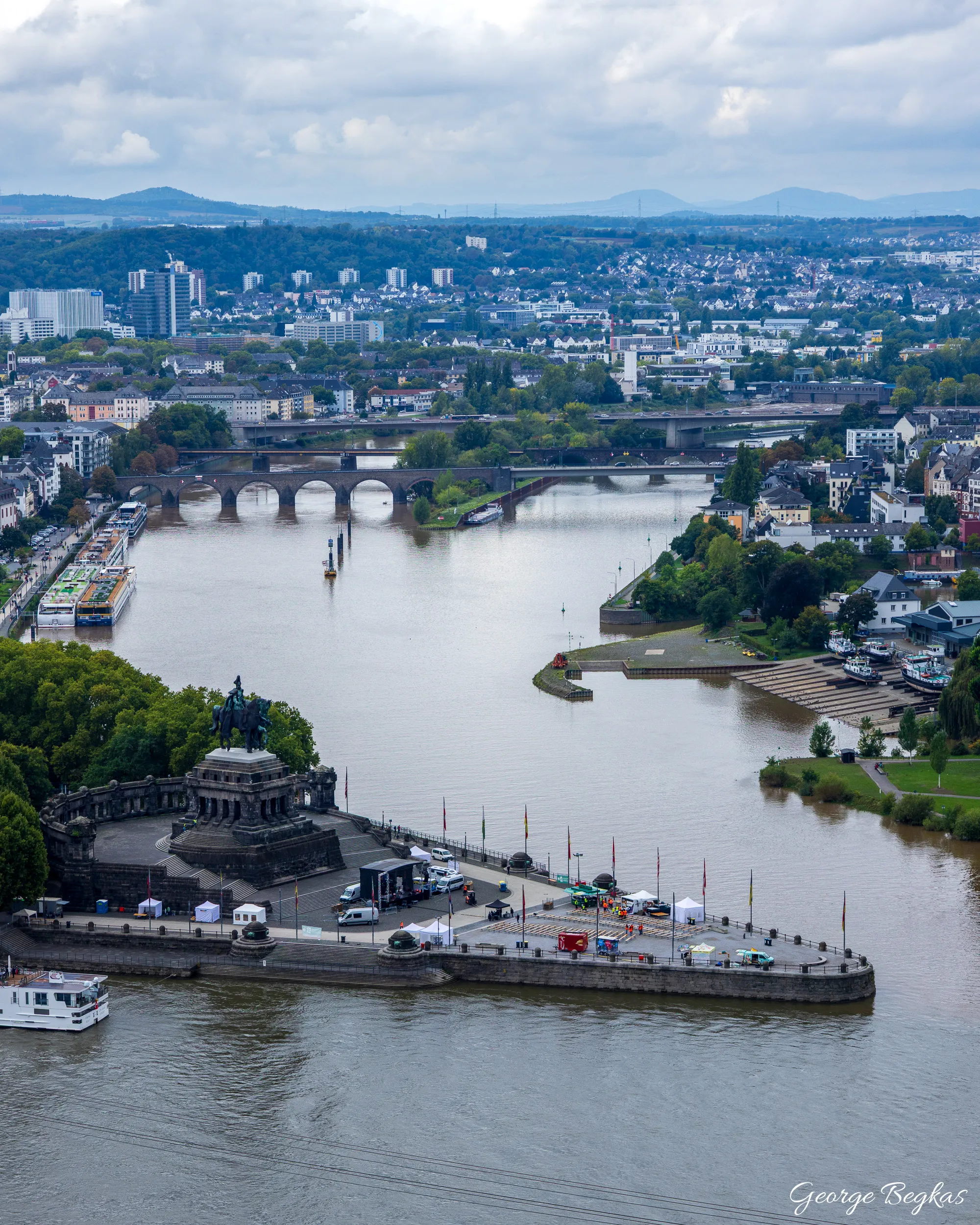
From the fortress, I had an excellent view over Koblenz and the Deutsches Eck, where the Rhine and Moselle meet. It was one of the highlights of the trip and exactly the kind of landscape I had hoped to photograph when planning the journey.
The weather, however, wasn’t quite as cooperative. Much of the trip was under heavy cloud, producing very flat light and little contrast. It wasn’t ideal for the landscapes I had in mind, so I had to work with the conditions rather than the light I had hoped for.
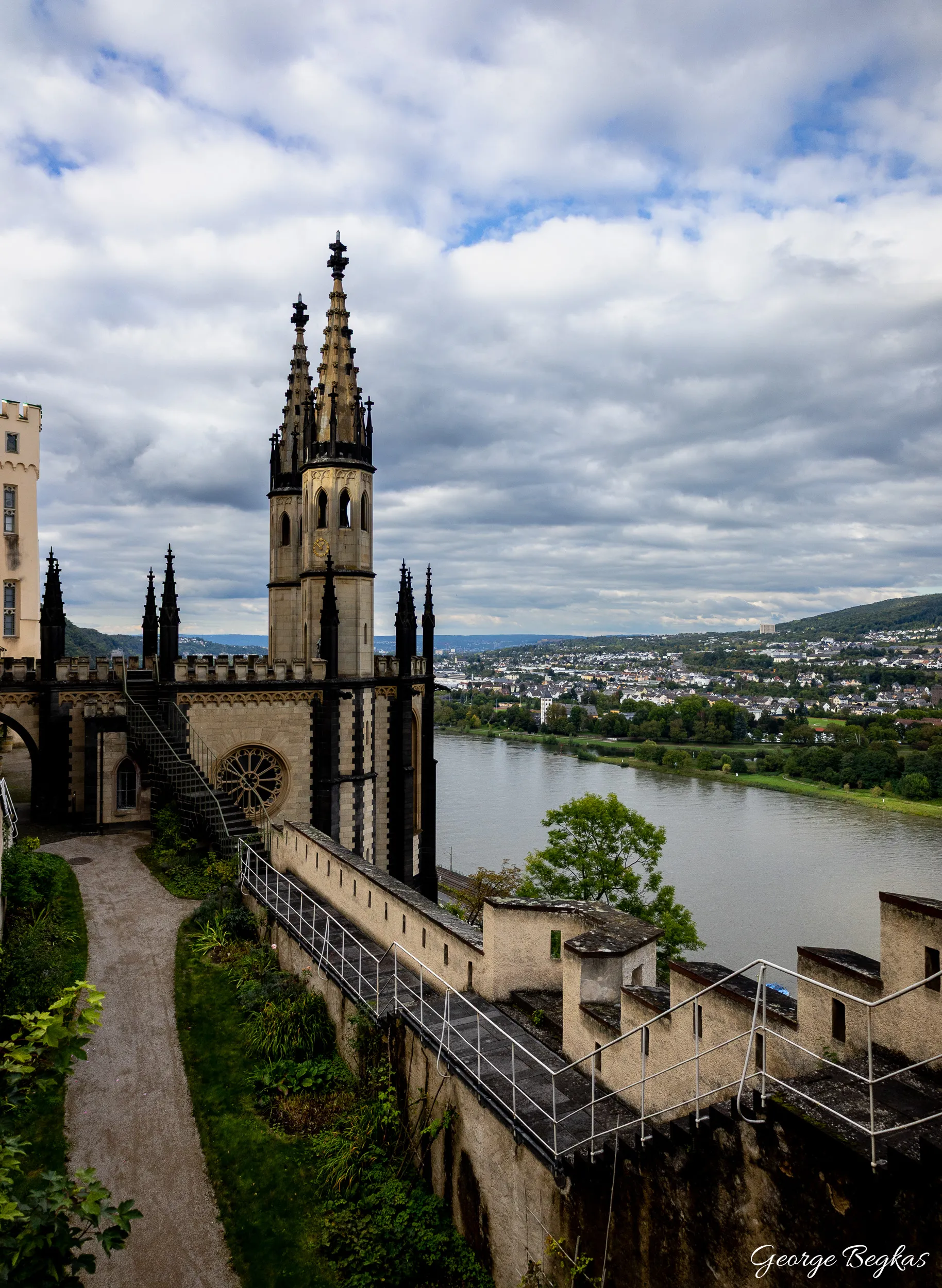
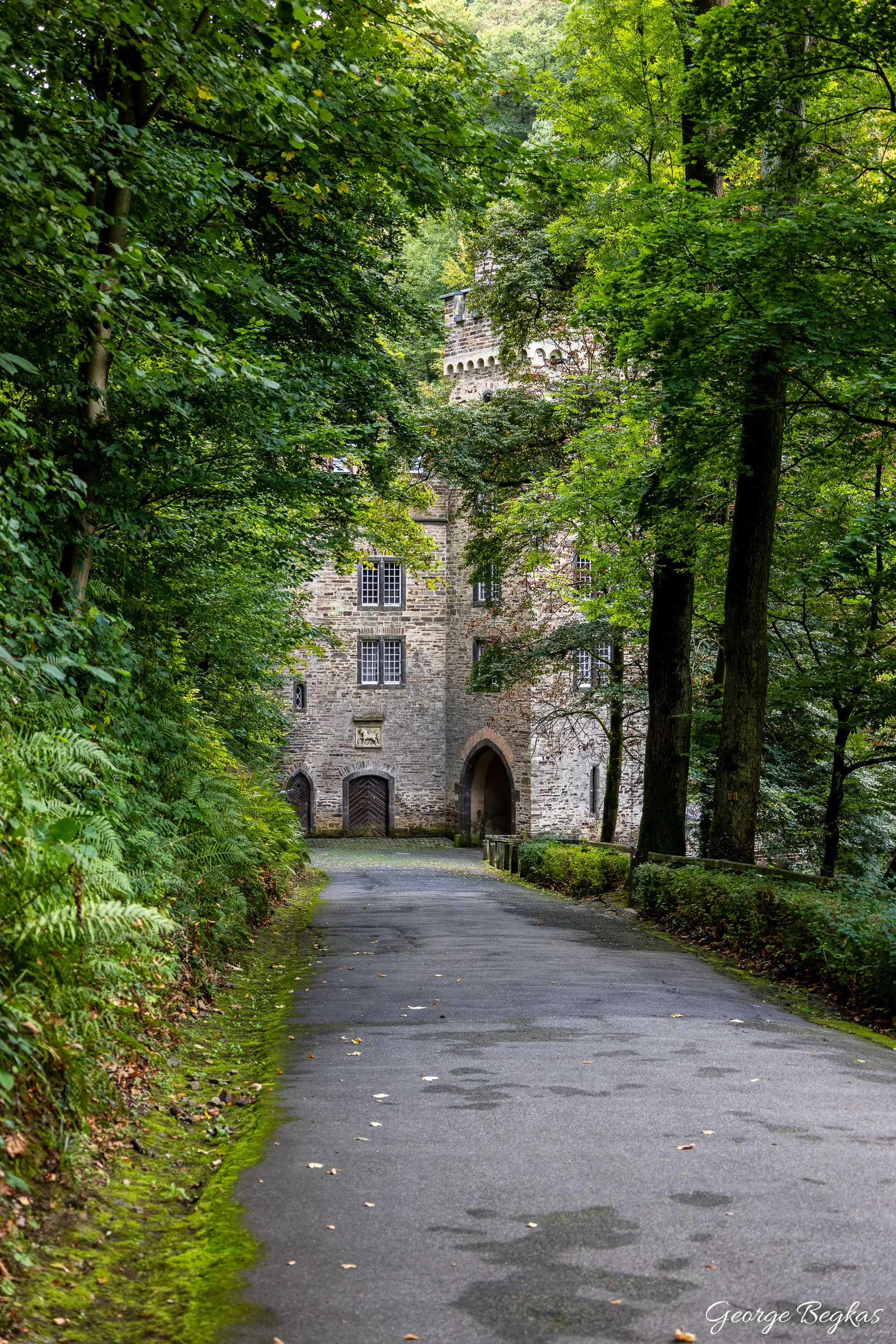
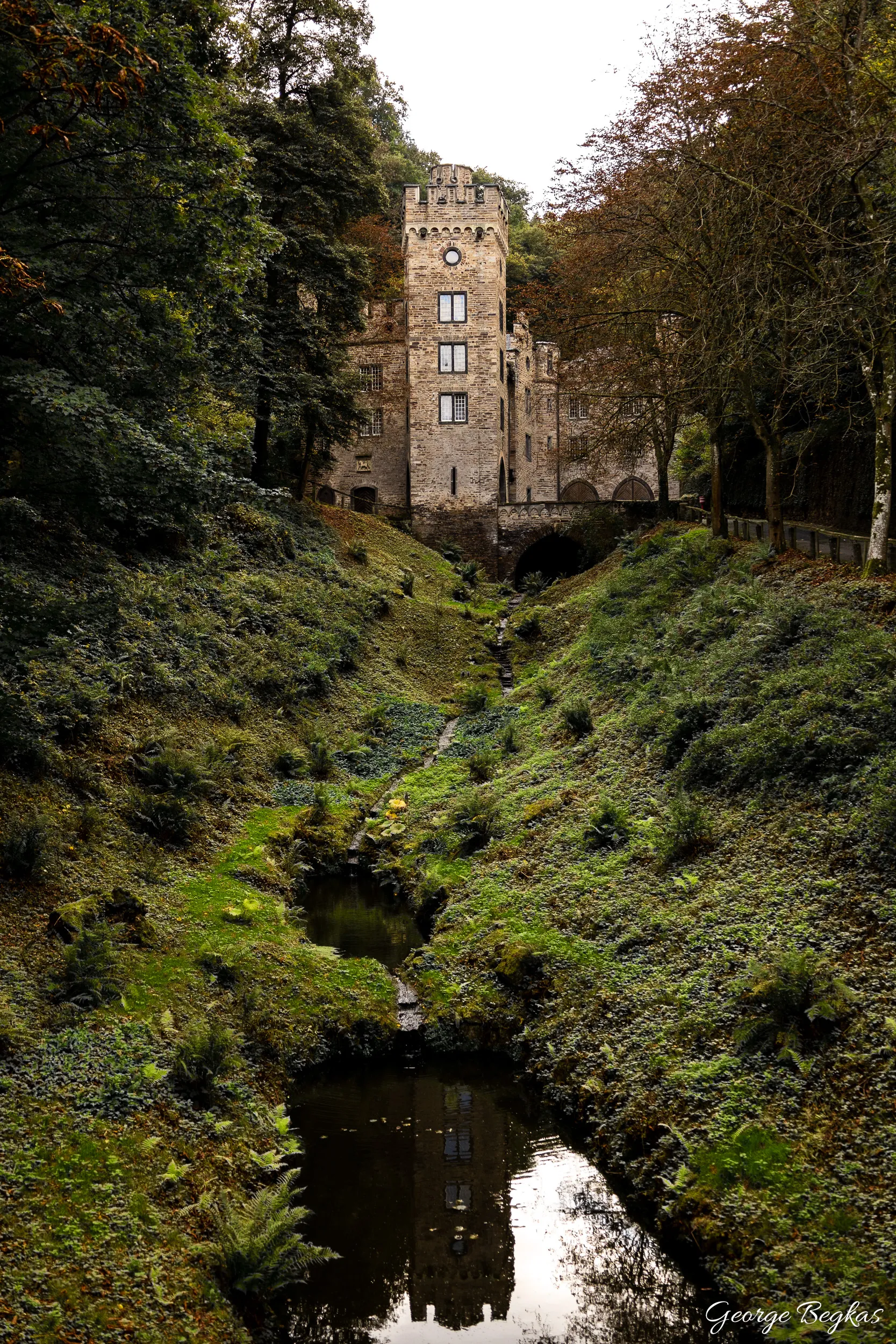
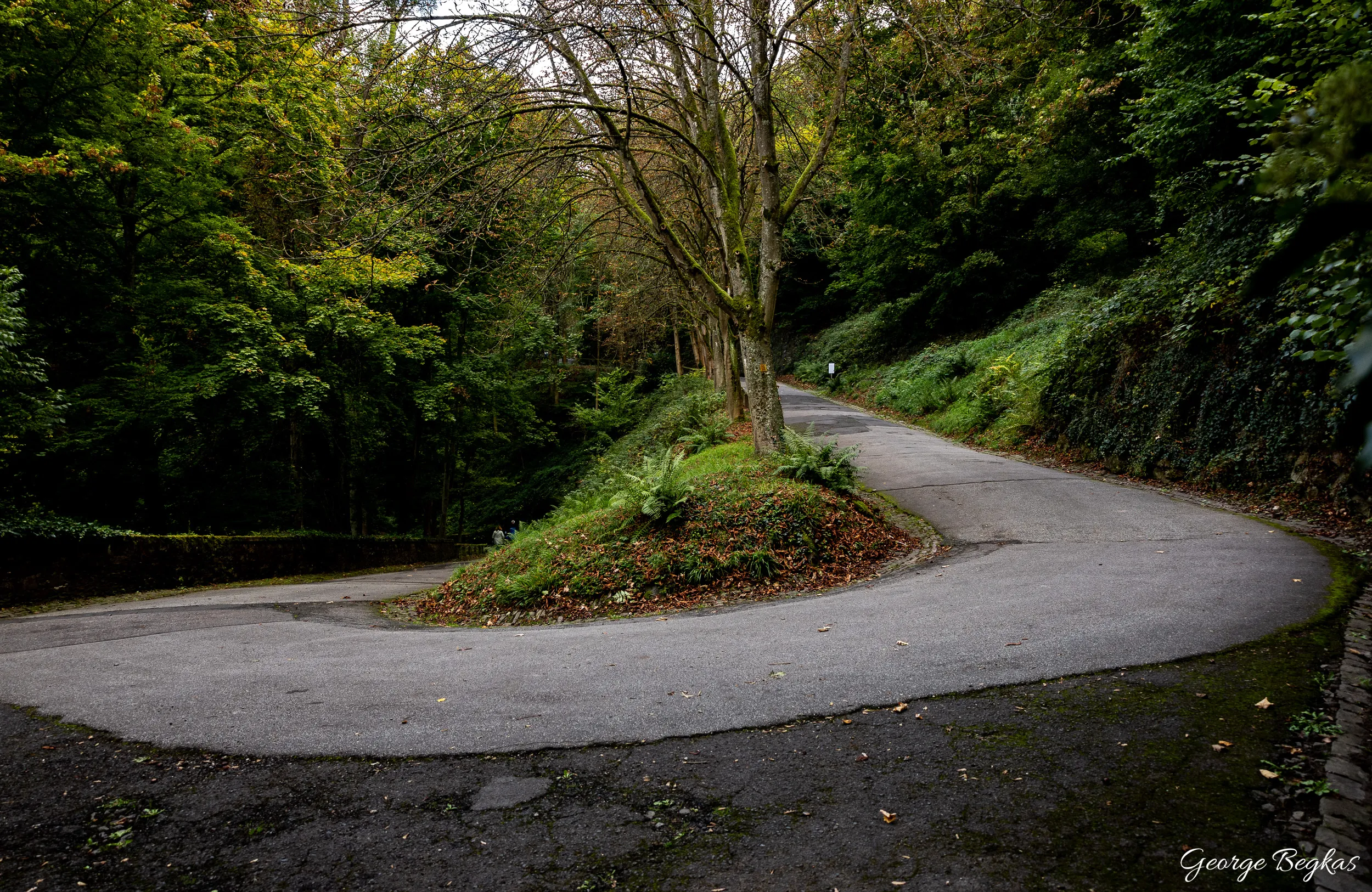
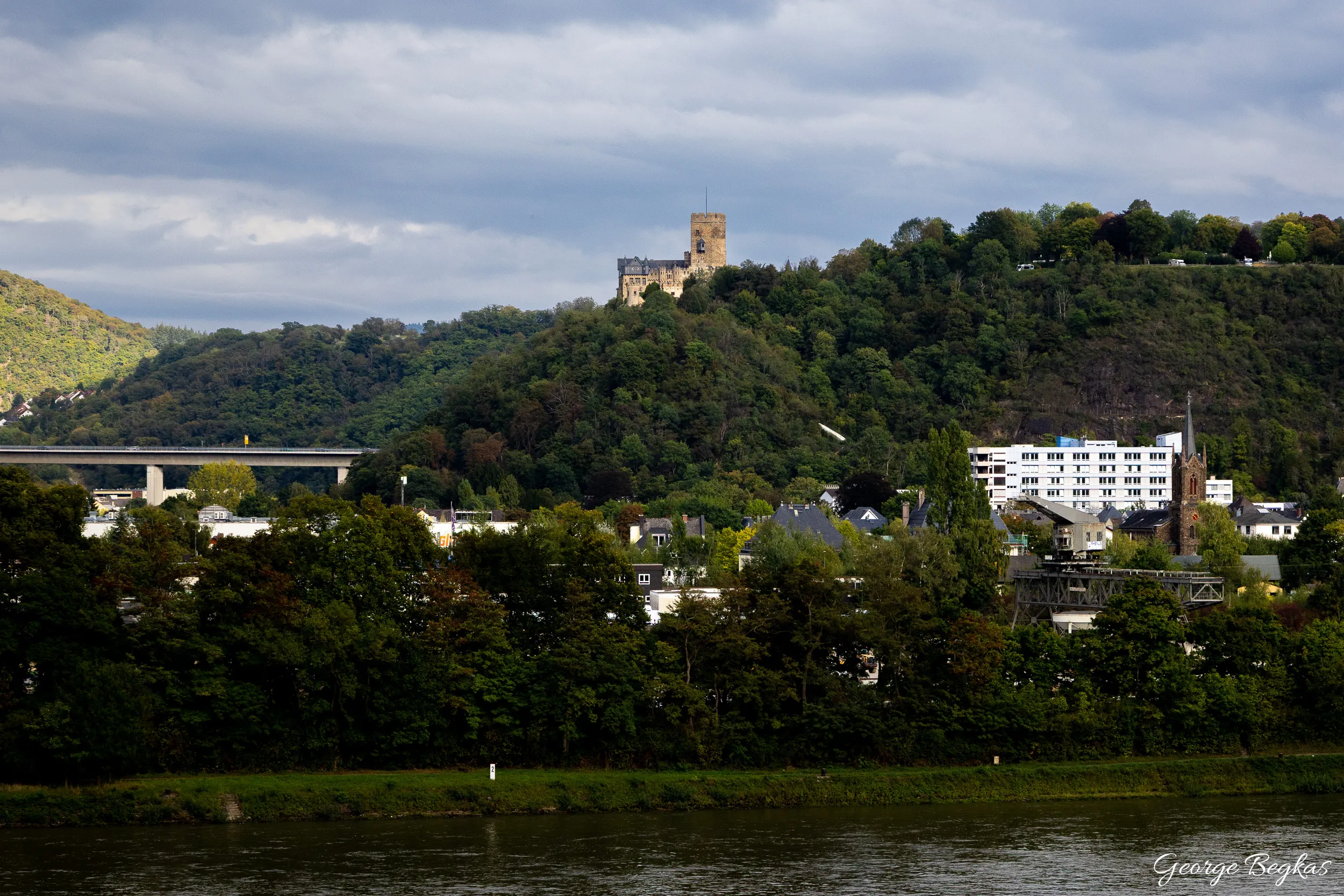
My final stop was Stolzenfels Castle. Unfortunately, I arrived just as it was closing and never got to see the inside. The surrounding area, however, was beautiful, and I spent some time walking around and photographing the landscape around the castle and the Rhine.
What started as a trip for a hackathon became a small photography trip of its own. It was also the first time I had properly planned a trip around photography rather than simply taking my camera along and seeing what I could find.
The planning helped me discover some great locations, but the trip was also a reminder that you can plan the location without being able to plan the weather, the crowds, or even whether you’ll arrive before an attraction closes. In the end, you just have to make the most of what you find.
.yRsIpT5f_Z1H0rdY.webp)